






Bridging the Energy Affordability Gap
In an era marked by volatile global events impacting energy supplies and driving up utility costs, a novel solution is emerging for consumers seeking financial
relief. Traditional rooftop solar installations, often requiring a significant upfront investment of around $30,000, have remained out of reach for many. This barrier is particularly challenging as residential electricity prices have already seen substantial increases. The current landscape, exacerbated by geopolitical tensions that disrupt oil supplies, is pushing utility bills to new heights. This context underscores the critical need for accessible, cost-effective clean energy alternatives. Plug-in solar systems, a concept gaining significant traction, present a compelling answer by offering a simplified, portable, and remarkably affordable entry into solar power. These systems are being championed as a vital tool for both homeowners and renters grappling with mounting expenses, promising tangible savings and a degree of control over their energy consumption. As legislative bodies begin to recognize their potential, with nearly 60% of U.S. states considering laws to streamline their adoption, the future of home energy is becoming more inclusive and budget-conscious.
Compact Panels, Dual Benefits
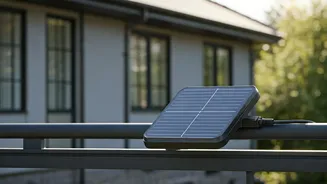
The limitations of traditional solar are well-documented: prohibitive costs, stringent roof requirements, and an inability to serve the vast number of U.S. residents living in apartments or rental properties, estimated at over 45 million. Plug-in solar technology directly addresses these issues by offering a scaled-down, user-friendly alternative. These systems feature smaller photovoltaic cells, typically producing between 200 and 1,200 watts – akin to the power output of a laptop charger or microwave. Crucially, they connect directly to a standard wall outlet, converting sunlight into electricity that feeds into the home's existing electrical system. This design echoes the simplicity of portable camping solar setups. The cost difference is substantial, with plug-in units ranging from a few hundred to a few thousand dollars, representing only about 1% to 10% of a full rooftop installation. Often dubbed "balcony solar," these systems are designed for versatile placement on balconies, patios, decks, or yards. Starter kits, typically including one to four panels, necessary cables, and a plug-and-play microinverter, enable most users to install them without professional help. More advanced kits even incorporate battery storage for continuous power supply. These plug-in solutions are designed to pay for themselves within a short period, typically two to five years, significantly reducing monthly energy expenditures. For a 1,200-watt system, average savings across much of the country could amount to 25% of the electricity bill, according to industry analyses.
Empowering Renters and Homeowners
Unlike their rooftop counterparts, plug-in solar panels are not designed to power an entire household, providing a maximum of about 25% of a home's electricity needs. However, they represent a significant and achievable stride towards energy autonomy and a practical hedge against fluctuating peak-hour electricity rates. This accessibility is particularly impactful for demographics previously excluded from the solar revolution, especially younger generations who exhibit a strong interest in renewable energy but are often renters or reside in multi-unit dwellings. The compact and modular nature of plug-in solar makes it ideally suited for urban living and apartment settings where traditional installations are not feasible. Beyond affordability and accessibility, a key advantage is portability. Individuals who relocate frequently, including renters, can easily dismantle and transport their plug-in solar systems, avoiding the common issue of leaving a substantial investment behind. This mobility further enhances their value proposition for a transient population seeking sustainable energy solutions that adapt to their lifestyle changes without requiring a permanent fixture.
Navigating Regulatory Hurdles
Despite the significant potential of plug-in solar systems to circumvent traditional installation barriers like permits and inspections, widespread consumer adoption in the U.S. faces a considerable challenge: regulatory complexities. Most plug-in units are subject to the same stringent regulations as larger rooftop systems, necessitating prior approval from utility companies before connection to the grid. This approval process, as explained by industry experts, can involve inspections, fees, permits, and potential restrictions, significantly diminishing the economic viability and user motivation. The administrative burden of paperwork and delays often dissuades potential users. To address this, several states are actively pursuing legislation to simplify these processes. California, for instance, was among the first to enact laws aimed at removing these obstacles, serving as a model for other states. Colorado has recently followed suit with new legislation that exempts portable-scale solar generation devices up to 1,920 watts from interconnection agreements. This means users no longer require pre-installation approval or incur associated fees from their electric provider. The bill also prohibits landlords from imposing unreasonable installation restrictions. Furthermore, Colorado's adoption of meter collar adapters promotes affordability and efficiency, offering an alternative to costly electrical panel upgrades and streamlining the integration of plug-in solar energy. As the market matures and safety regulations are clarified, consumers are encouraged to research local rules and consider embracing this technology, as the potential benefits for energy cost savings are substantial.