





Microbial Magic Revealed
The fundamental difference between sourdough and regular bread lies in their leavening agents and fermentation methods. While conventional bread relies
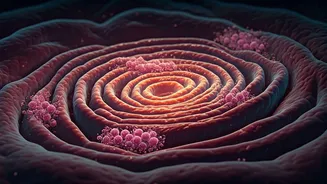
on a single, fast-acting commercial yeast strain, sourdough utilizes a symbiotic culture of wild yeasts and beneficial bacteria. This natural starter, often nurtured for years, undergoes a slow, extended fermentation process, sometimes lasting many hours or even days. This leisurely transformation is not merely about rising; it's a complex biochemical dance where the microbes actively break down starches and proteins in the dough. This microbial action is responsible for the characteristic tangy flavor and the delightfully chewy texture that sourdough is known for. It's this meticulous, hands-on approach to bread-making, with bakers carefully tending to their starters, that imbues each loaf with a unique character, varying subtly with factors like climate, flour type, and fermentation duration.
Digestibility and Gut Benefits
Sourdough's extended fermentation offers significant advantages for digestive health. The long process partially breaks down gluten, making the bread more palatable for some individuals who experience sensitivity to gluten in regular bread. Furthermore, the natural acids produced during fermentation contribute to a lower glycemic index compared to standard loaves. This means sourdough may help in maintaining more stable blood sugar levels after consumption. Beyond aiding digestion, the microbial activity in sourdough creates beneficial compounds that act as prebiotics, nurturing a healthier gut microbiome. In contrast, regular bread, while often soft and airy, tends to have a higher glycemic impact and might not be as well-suited for sensitive digestive systems.
Nutrient Absorption Boost
The intricate fermentation in sourdough plays a crucial role in enhancing the bioavailability of essential minerals. During the lengthy fermentation, phytic acid, a compound naturally present in grains that can inhibit mineral absorption, is significantly reduced. This breakdown process liberates valuable minerals like iron, magnesium, and zinc, making them more readily available for the body to absorb and utilize. Consequently, a slice of sourdough bread can offer a richer nutritional profile and better absorption of these vital micronutrients, a benefit often not realized to the same extent with conventionally yeasted bread, which undergoes a much shorter fermentation period.
Flavor and Culinary Trend
The distinct taste and texture of sourdough are directly attributable to the microbial fermentation process. The natural acids generated contribute to its signature tangy flavor and a crust that is often crispier, while the interior remains soft and airy, a delightful contrast to the milder, simpler taste of regular bread. This complex flavor profile, combined with its perceived health benefits, has propelled sourdough beyond its artisanal roots. It has become a beloved staple in homes, cafes, and restaurants, embraced as a healthy and stylish culinary choice. Social media has further amplified its popularity, showcasing beautiful homemade loaves and elaborate starters, cementing its status as a significant part of contemporary food culture.