


Arabic Mehndi Elegance
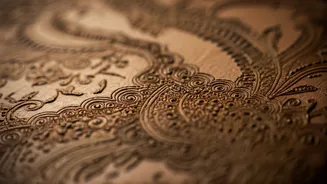
Arabic mehndi designs are celebrated globally for their striking floral motifs, strategic use of negative space, and graceful, flowing vine patterns. These
designs often appear lighter and are quicker to apply, making them an excellent choice for those seeking a contemporary, minimalist aesthetic. A popular approach involves starting with diagonal floral elements and extending them with trailing vines, which harmoniously complements traditional attire. The distinct style allows for a sophisticated yet understated embellishment, perfectly suited for the festive spirit of Eid while maintaining a modern edge.
Indian Mehndi Intricacy
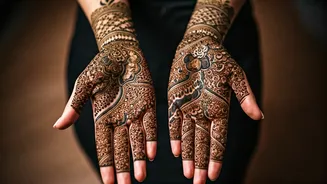
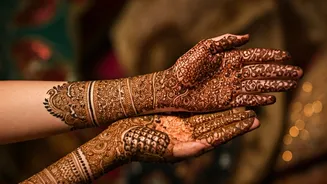
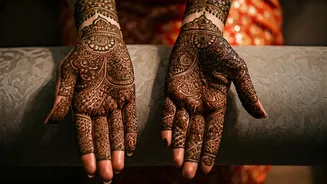
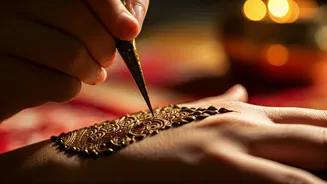
In stark contrast, Indian mehndi designs are renowned for their densely detailed and traditional patterns, offering full-hand coverage. These elaborate styles often incorporate elements such as delicate jaali work, graceful paisleys, majestic peacocks, and intricate mandala art. This maximalist approach is ideal for individuals who appreciate a rich and layered mehndi application. Particularly for brides or those embracing a deeply traditional aesthetic, these fuller designs provide a stunning backdrop for photographs and enhance the overall festive ensemble with their opulence and complexity.
Lunar & Fusion Designs
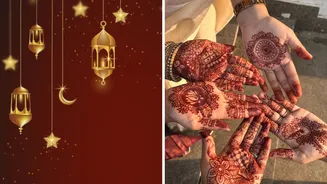
The crescent moon, an iconic symbol of Eid, lends itself beautifully to mehndi art. Designs can feature floral chandeliers, celestial moon and star arrangements, or elegant hanging chains. For a simpler, yet impactful look, a single half-moon motif placed centrally on the palm or back of the hand offers a chic statement. Bridging traditional and modern aesthetics, the Indo-Arabic fusion style is a major trend. This approach artfully combines the bold lines of Arabic mehndi with the intricate detailing of Indian patterns. A common rendition involves a mandala centerpiece surrounded by Arabic-inspired vines and petals, creating a balanced, visually pleasing design that offers the best of both worlds.
Timeless Floral Motifs
Floral patterns in mehndi are perpetually popular due to their universal appeal and timeless beauty. These designs can be elaborate, featuring clusters of roses, leafy vines, and full bouquet arrangements, all interconnected with flowing tendrils, leaves, and petals. For those preferring simplicity, a single, beautifully rendered lotus at the center of the palm is a classic choice, exuding sophistication and charm. Beyond their aesthetic appeal, flowers symbolize growth, joy, and new beginnings, aligning perfectly with the spirit of celebration and renewal that Eid embodies.
Significance of Mehendi
Mehendi holds profound cultural importance during Eid, traditionally applied on the eve of the festival, known as Chaand Raat. It is viewed as a symbol of blessings, celebration, and the adoration of feminine beauty. In South Asian traditions, a darker mehndi stain is often associated with greater happiness, love, and deep emotions. By 2026, mehendi transcends its ritualistic role to become a significant fashion statement, meticulously chosen to complement and enhance one's Eid attire, thereby amplifying the overall festive presentation.