


Understanding Thepla's Advantages
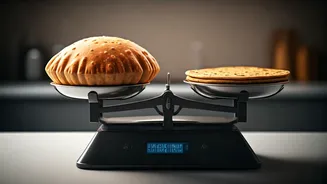
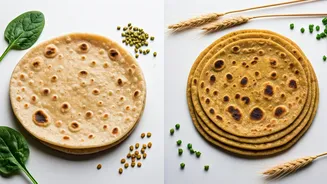
Thepla emerges as a lighter contender for breakfast, typically containing around 120 calories per serving, making it a more calorie-conscious option compared
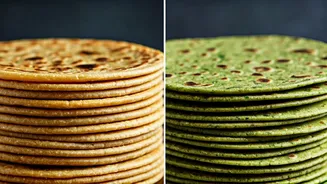
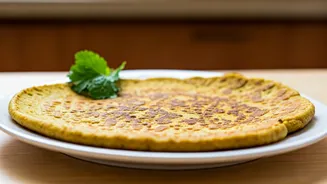
to many paratha variations. Its foundation in whole wheat flour provides complex carbohydrates that are digested slowly, promoting a sustained feeling of fullness throughout the morning and helping to curb unnecessary snacking. When fenugreek leaves (methi) are incorporated, the thepla gains added fiber, which is beneficial for digestive health and can contribute to better appetite management. A significant advantage of thepla is its minimal oil requirement during preparation; this lower oil usage directly translates to fewer calories, a crucial factor for those focused on weight reduction. Furthermore, thepla's texture remains soft for extended periods, enhancing its convenience for busy lifestyles and making portion control straightforward with its predictable serving size of one or two pieces.
Exploring Paratha's Potential
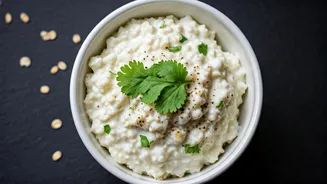
A plain paratha can be surprisingly light, with a calorie count estimated between 70-80 calories. However, this figure can escalate rapidly with the addition of rich fillings like potatoes (aloo), cheese, or heavily spiced mixtures, especially if generous amounts of oil or ghee are used in cooking. When prepared using whole wheat or multigrain flour, parathas offer valuable complex carbohydrates that contribute to prolonged satiety and help maintain stable blood sugar levels, thus preventing energy crashes. Enhancing a paratha's nutritional profile is achievable by incorporating protein-rich ingredients such as paneer, moong dal, or peas, which are known to boost feelings of fullness and reduce cravings. Minor adjustments in preparation can transform a standard paratha into a more balanced meal; opting for less oil, using alternative flours, and selecting vegetable or lentil-based fillings are effective strategies. The inherent flexibility of parathas allows for a wide array of healthy additions like spinach or beetroot, and pairing them with yogurt or a side salad instead of rich accompaniments further elevates their health quotient, underscoring how preparation methods dictate their overall impact on a diet.
The Verdict for Weight Loss
When the primary objective is weight loss, the thepla generally holds an edge due to its inherent lower calorie count and reduced oil consumption in standard preparation methods. It's often a gentler choice for digestion, making it suitable for a simple morning meal. However, paratha is by no means off-limits for a weight-conscious diet. Its suitability hinges heavily on how it is prepared: choosing whole wheat or multigrain flour, employing minimal oil during cooking, and opting for nutritious fillings can make it a well-rounded meal. Parathas tend to be more substantial and filling, which can be advantageous on days when a higher energy intake is desired. Ultimately, both dishes can be integrated into a healthy eating plan provided they are prepared with mindfulness regarding ingredients and portion sizes.
Healthier Preparation Tips
To keep your thepla soft without resorting to excess oil, a light rinsing of the dough with water during kneading, followed by a 10-15 minute rest, can significantly improve its texture. Incorporating ingredients like methi or doodhi can further enhance softness and flavor without the need for additional oil. For parathas, allowing the dough to rest for at least 30 minutes is crucial for proper gluten development, which prevents tearing during rolling and cooking. Ensure even rolling and cook on a hot griddle (tawa), applying only a light brush of oil or ghee once the paratha begins to brown. To minimize oil usage for both thepla and paratha, cook them on a well-heated tawa that prevents sticking, allowing the dough to cook faster. Employing a silicone brush for a light, even application of oil is far more effective than pouring it directly onto the pan.