







Architectural Brilliance Unveiled
Noida International Airport (DXN), set to commence operations on June 15, 2026, is poised to become a significant hub for the Delhi NCR region. Constructed
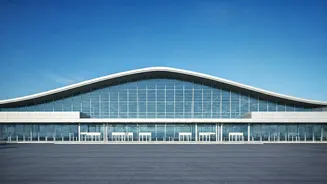
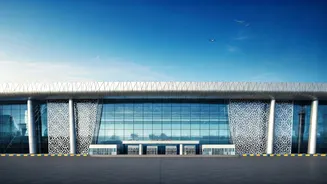
on a sprawling greenfield site near Jewar, Uttar Pradesh, its terminal design, a collaborative effort by Nordic Office of Architecture, Grimshaw, Haptic Architects, and STUP Consultants, prioritizes abundant natural light and superior ventilation. This thoughtful approach is harmoniously integrated with design elements that echo local architectural heritage and distinct visual motifs characteristic of Northern India. The terminal's striking feature is its translucent, undulating white roof, designed to resemble a flowing river, which allows diffused sunlight to illuminate passenger areas. Furthermore, the forecourt's tiered steps are reminiscent of the revered ghats found along the sacred rivers of Varanasi and Haridwar, creating a sense of arrival rooted in tradition. A central courtyard actively invites sunlight and fresh air deep into the building's core, enhancing the passenger experience. Delicate lattice screens, intricately patterned, artfully frame views of internal green spaces and provide welcome shade in circulation zones, contributing to a serene and aesthetically pleasing environment. The overall layout is conceived along a clear linear axis, with gracefully branching concourses emanating from a central hall, intuitively guiding passengers through the terminal with ease and efficiency.
Initial Flight Network
As Noida International Airport (DXN) prepares for its grand opening, passengers can anticipate immediate connectivity to key domestic destinations. IndiGo and Akasa Air have confirmed their commitment to launching services from the new facility, linking Noida with major metropolitan centers and important regional cities. Travelers can look forward to flights connecting them to popular hubs such as Bengaluru, Hyderabad, Lucknow, Amritsar, and Navi Mumbai right from the start. The airline network is also slated for further expansion through July, with more destinations expected to be added as operations stabilize and grow. This initial phase aims to establish a robust network, facilitating seamless travel for a wide range of passengers and laying the groundwork for future growth and increased route options.
Airport's Ample Capacity
The Noida International Airport (DXN) is situated on an expansive greenfield site, ensuring ample space for current operations and future scalability. The initial phase of development focuses on a single terminal building and one runway, engineered to manage an impressive capacity of 12 million passengers annually. This strategic planning allows for immediate service to a significant volume of travelers. Crucially, the master plan incorporates provisions for phased expansion. Future development will include the addition of further runways and entirely new terminal buildings. This foresight ensures that the airport can progressively scale its operations to meet growing demand without compromising passenger flow or operational efficiency, guaranteeing a smooth experience as the airport evolves.
Effortless Passenger Movement
Navigating Noida International Airport (DXN) is designed to be an intuitive and stress-free experience for all passengers. The airport's layout clearly delineates key areas for arrivals, departures, and baggage handling, ensuring a logical flow of movement. Wide corridors and soaring high ceilings are integral to preventing congestion, even during peak travel times. Throughout the terminal, strategically placed seating zones and thoughtfully integrated landscaped pockets offer passengers moments of respite and tranquility. These areas provide convenient points for rest and relaxation between the various stages of the travel process, from check-in and security screening to reaching the boarding gates, all contributing to a more pleasant and efficient journey.
Cultural Design Echoes
The architectural design of Noida International Airport (DXN) artfully integrates elements inspired by India's rich cultural heritage. The tiered steps leading into the terminal, for instance, draw a direct parallel to the sacred riverfront ghats and the grandeur of traditional northern Indian havelis, grounding the modern structure in local tradition. Similarly, the delicate, patterned lattice screens are a contemporary interpretation of the intricate jaali work found in historical Indian architecture, adding both aesthetic beauty and functional shade. Even the rooflines are designed to subtly evoke the fluid motion of regional rivers, a nod to the natural landscape and cultural significance of water bodies. These cultural references are not merely decorative; they are woven into the very fabric of the airport's functionality, serving practical purposes such as providing shade, enhancing natural ventilation, and managing light ingress, thereby creating a space that is both culturally resonant and highly efficient.