






Central Obesity's Grave Danger
Union Minister Jitendra Singh has sounded a critical alarm: abdominal obesity, also known as central or visceral fat, presents a more formidable health
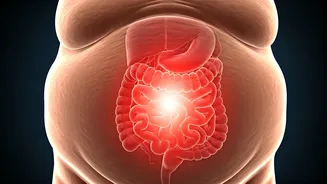
hazard than being overweight overall, especially within the Indian population. This type of fat accumulation, often found deep within the abdominal cavity, poses a significant threat even to individuals who may appear lean. The minister highlighted that this localized fat deposition can independently trigger a cascade of serious metabolic disturbances. These include the development of type 2 diabetes, persistently high blood pressure (hypertension), various cardiovascular diseases, non-alcoholic fatty liver disease, and abnormal lipid profiles (dyslipidemia). The 'distinct Indian phenotype' refers to a predisposition where even individuals with a normal Body Mass Index (BMI) might harbor substantial amounts of harmful visceral fat, making overall weight less indicative of risk than abdominal girth. This underscores the need for a nuanced approach to assessing health risks, moving beyond simple weight measurements.
The Indian Predicament
The growing prevalence of central obesity in India is a major public health challenge, intricately linked to the rise in lifestyle-related ailments. This is largely attributed to the changing societal dynamics, including shifts in dietary patterns, a marked increase in sedentary occupations, and a general decline in physical activity levels. The consequence is a surge in conditions like early-onset diabetes and heart disease, even among younger demographics. Minister Singh emphasized that this accumulation of fat around the midsection carries substantial clinical weight, impacting health outcomes significantly, irrespective of an individual's overall body mass. He stressed the urgent necessity for proactive measures, including early detection methods, robust preventive care strategies, and tailored interventions specifically designed to combat this burgeoning issue. The release of a new cardiology textbook, 'Advances in Obesity and Lipid Management in CVD', aims to further this cause by consolidating expert knowledge.
Awareness and Action Needed
In alignment with Prime Minister Narendra Modi's vision for a healthier India, there's a critical call for greater public awareness regarding obesity and the importance of adopting lifestyle changes. This includes practical advice such as reducing oil consumption in daily cooking and embracing more wholesome dietary habits. Obesity, coupled with related lipid disorders, is identified as a primary driver of the escalating rates of cardiovascular disease, leading to increased morbidity and mortality. The recently released cardiology textbook, meticulously edited by Dr. H. K. Chopra and featuring contributions from over 300 specialists, delves into cutting-edge therapies and advanced methodologies for managing metabolic and lipid health. It incorporates groundbreaking developments like GLP-1 receptor agonists and sophisticated lipid-lowering drugs, alongside insights from AI-driven clinical decision-making systems. The minister also cautioned against haphazard fitness routines, advocating instead for balanced, scientifically informed exercise practices to achieve sustainable health improvements.
Future Outlook and Mitigation
Projections indicate a dramatic escalation in obesity rates across India by the year 2050, painting a concerning picture for the nation's future health landscape. To proactively address this looming crisis, Minister Singh urged for a concerted effort involving enhanced public education campaigns, widespread early screening programs, and the implementation of evidence-based treatment strategies. Such measures are vital for effectively mitigating the long-term health risks associated with obesity, particularly abdominal obesity. He reiterated the importance of sustained commitment to lifestyle discipline, ensuring adequate sleep, and prioritizing preventive healthcare as fundamental pillars in combating the growing burden of obesity and its associated chronic diseases. This holistic approach is essential for safeguarding public health and reducing the strain on healthcare systems.