





A Novel Serving Style
A fascinating scene unfolded on the bustling streets of Mumbai, capturing the attention of social media users everywhere. A street food vendor, known for
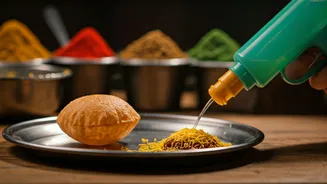
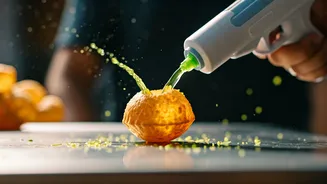
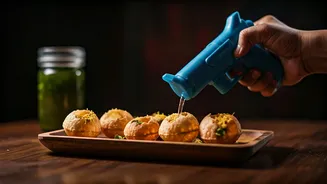
serving the beloved 'pani puri,' decided to revolutionize his serving technique. Instead of the conventional ladle used to fill the hollow, crispy puris with the savory tamarind-infused water, this vendor opted for a decidedly modern tool: a water gun. The video footage circulating online vividly illustrates his precise movements as he expertly directs the flow of the tangy liquid into each individual puri. This unusual method has certainly piqued the curiosity of many, drawing both admiration for its ingenuity and a fair share of raised eyebrows. The sight of a water gun being used for a culinary purpose, especially for such a popular snack, is undoubtedly a departure from the norm, sparking immediate interest and discussion among those who witnessed it.
Hygiene vs. Innovation
The viral video of the Mumbai vendor's water gun pani puri service has undeniably stirred up a significant conversation, primarily centering on the critical aspect of hygiene. While many onlookers were initially amused and impressed by the vendor's creative flair and the speed with which he could serve, a segment of the online community expressed concerns about the sanitary implications of using such a device. Questions were raised about the cleanliness of the water gun itself and the overall food safety standards. However, the vendor was quick to defend his unconventional approach, asserting that his method actually promotes better hygiene. He argued that the water gun ensures a consistent and precise measure of water is dispensed into each puri, unlike a ladle which might be handled by numerous individuals, potentially leading to cross-contamination. This justification highlights the ongoing tension between embracing novel techniques and upholding traditional standards of cleanliness in the vibrant world of Indian street food.
Debate on Tradition
The widespread sharing of the Mumbai vendor's water gun pani puri technique has effectively ignited a broader debate, extending beyond just the immediate hygiene concerns. This incident has become a focal point for discussions surrounding the evolution of street food preparation in India. It raises pertinent questions about how tradition and modernity can coexist in a culinary landscape that is deeply rooted in age-old practices. While some passionately defend the sanctity of traditional methods, emphasizing the cultural significance and established hygiene protocols, others champion innovation as a means to improve efficiency, consistency, and even hygiene, as the vendor himself suggested. This viral phenomenon underscores the dynamic nature of street food vending, where vendors continuously adapt to attract customers and potentially streamline their operations, leading to fascinating dialogues about the future of beloved Indian snacks.