




Fueling Your Gut
Your gut is a powerhouse of health, intricately linked to your immune system and even your mood. Maintaining a harmonious balance of beneficial bacteria
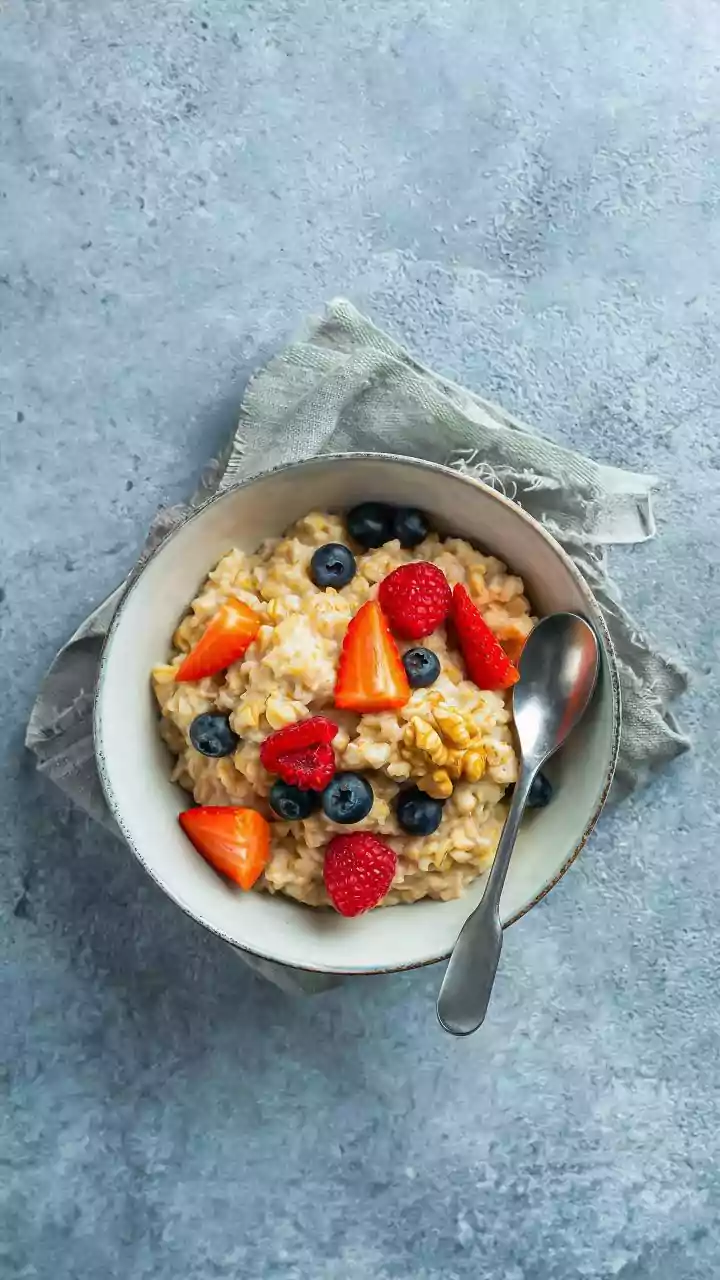
within your digestive tract is crucial. Fermented foods like curd are excellent sources of probiotics, the good bacteria that help keep this ecosystem in equilibrium. Complementing these with prebiotics, found in foods such as bananas and chia seeds, is vital. Prebiotics act as food for these good bacteria, fostering their growth and reinforcing the integrity of your gut lining. A robust gut microbiome, as supported by research, enhances nutrient absorption and can mitigate inflammation-linked conditions. Incorporating a simple bowl of curd topped with chia seeds isn't merely a dietary choice; it's an investment in the complex internal environment that underpins your overall vitality, potentially alleviating common discomforts like bloating.
Supporting Your Lungs
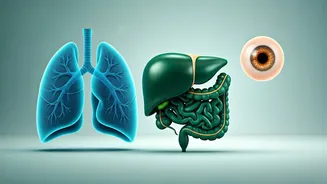
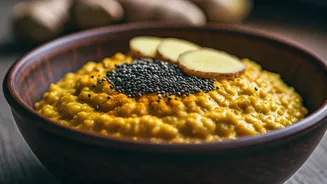
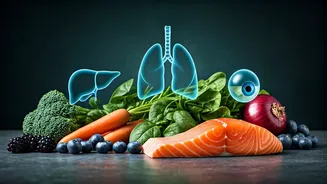
While breathing often feels automatic, the health of your lungs is profoundly influenced by your dietary habits. External factors like pollution, stress, and infections can lead to airway irritation, but certain common kitchen staples offer a natural defense. Ingredients like ginger and turmeric, staples in Indian cuisine, boast potent anti-inflammatory properties thanks to compounds such as gingerol and curcumin, which can soothe irritated airways. Furthermore, the abundance of Vitamin C in citrus fruits acts as a powerful antioxidant, helping to shield lung tissues from the oxidative damage caused by environmental pollutants and toxins. Studies from institutions like the NIH have underscored the protective role of antioxidants against lung injury from environmental aggressors. Making a small habit of adding fresh ginger and turmeric to your morning beverages, or even to warm water, can contribute significantly to easier respiration, particularly in urban settings where air quality can be a concern.
Liver's Silent Guard
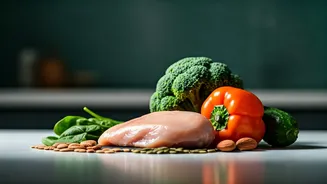
The liver performs a tireless, continuous job, diligently filtering toxins, metabolizing fats, and maintaining metabolic balance. However, it often goes unnoticed until health issues arise. Fortunately, specific foods can offer substantial support. Cruciferous vegetables, including broccoli, are rich in sulforaphane, a compound known to activate the liver's natural detoxification enzymes. Green tea, packed with beneficial catechins, aids in fat metabolism, while the healthy fats in olive oil can help prevent the buildup of excess fat within liver cells. Research from organizations like the NIDDK demonstrates a clear dietary link to the prevention of fatty liver disease. Opting for olive oil as your primary cooking fat, a seemingly minor adjustment, can over time considerably reduce the burden on your liver, promoting enhanced metabolic functioning and long-term liver health.
Shielding Your Eyes
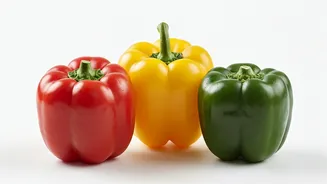
In our increasingly digital world, our eyes face constant strain from prolonged screen time, inadequate lighting, and sleep deprivation, all of which can gradually impair vision. Fortunately, certain foods can help fortify your eyes against these challenges. Orange-hued vegetables like carrots and sweet potatoes are excellent sources of beta-carotene, a precursor that the body efficiently converts into Vitamin A, a nutrient vital for maintaining good eyesight. Additionally, amla, or Indian gooseberry, is a powerhouse of Vitamin C, an antioxidant that plays a crucial role in protecting the delicate tissues of the retina from oxidative damage. Consistently incorporating at least one serving of an orange-colored vegetable into your daily diet is a practical and effective strategy to support ocular health and mitigate the cumulative effects of modern visual demands.
Wise Food Choices
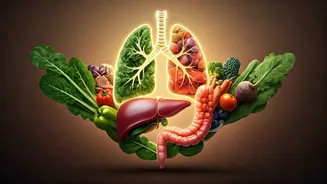
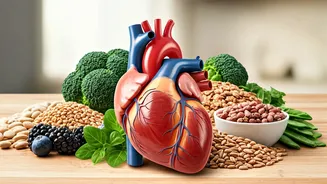
True health isn't achieved through rapid, drastic measures; it's a gradual construction built upon consistent, thoughtful daily decisions. The nutritional choices you make today lay the foundation for your body's performance in the years to come. The philosophy here isn't about restriction, but rather about mindful selection. A sprinkle of turmeric in your cooking, a serving of curd for breakfast, or a handful of vitamin-rich citrus fruits are seemingly small acts, but their cumulative impact on your long-term health is profound. Understanding which nutrients best serve specific organs allows for informed choices that support your body's intricate systems, leading to sustained vitality and well-being.