





Cage Essentials Explained
Tomato plants, with their vigorous vining nature and heavy fruit loads, absolutely require robust support systems. Tomato cages offer an accessible and practical
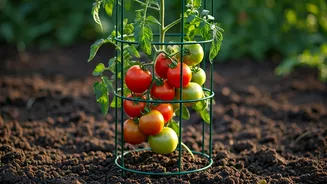
solution, especially for those tending to a few plants. These structures are ingeniously designed to provide a framework that guides the plant's growth, shields delicate vines from succumbing to the weight of ripe tomatoes or the harshness of strong winds, and crucially, elevates the fruit away from the damp soil, thereby preventing rot. When considering a cage, gardeners have a diverse array of choices spanning size, construction material, and ease of handling. However, several key factors come into play to ensure you select the most suitable cage for your specific tomato variety and growing conditions. Prioritizing sturdiness, often found in metal, steel, or wood constructions, is paramount. Some cages even feature weather-resistant finishes, like powder coating, which not only prolongs their lifespan but also offers a safer, cooler surface to handle during hot gardening days. Understanding the different shapes available, from classic squares and triangles to cones and rings, and their typical dimensions—generally between two to three feet wide and four to six feet tall for most common varieties—will help you make an informed decision. Many designs incorporate adjustable horizontal bars that can be repositioned as the plant grows, and the anchoring stakes extending from the bottom are vital for securing the cage firmly in the ground. While some cages conveniently fold for storage, cone-shaped ones, though often the most economical, might occupy more space. A well-supported mature plant should stand upright without the cage collapsing, a testament to choosing the right support.
Choosing for Growth Habits
The type of tomato plant you cultivate significantly influences the ideal cage choice. Determinate tomato varieties are known for producing their entire crop in a concentrated period, leading to a substantial weight accumulation on their vines. These plants often exhibit a bushier growth pattern with shorter, sturdier stems that are well-suited to managing multiple fruits simultaneously. For such varieties, a cage measuring approximately four feet in height and two feet in width, constructed from robust materials, is typically sufficient. Given their more compact nature, good air circulation is particularly important to ward off diseases; therefore, a slightly narrower cage can be advantageous, helping to fan out the branching vines from base to tip. Cages with triangular or square configurations often prove effective for determinate types. In contrast, indeterminate tomato plants bear fruit continuously throughout the growing season, with individual fruits being harvested as they ripen. This sequential fruiting generally results in a less concentrated weight load on any single vine. However, the remarkable characteristic of indeterminate tomatoes is their propensity to grow exceptionally long, often reaching up to 10 feet in length. Consequently, a taller structure, such as a six-foot cone-shaped or square cage with a broader diameter of around three feet, is a better match for these sprawling vines. Cages equipped with adjustable horizontal supports are invaluable for indeterminate varieties, as they allow gardeners to adapt the structure to the plant's ever-increasing length, providing support precisely where it's most needed as the season progresses. Careful consideration of these growth habits ensures the chosen cage provides optimal support and enhances plant health.
Container & Potted Tomatoes
Cultivating tomatoes in pots presents a unique set of considerations when it comes to selecting the right support structure. The limited space within containers dictates that your cage choices must be compatible with the pot's diameter and depth. Specifically, the anchoring stakes of the cage need to fit securely inside the pot without becoming unstable or bending. For potted tomatoes, you'll often find smaller cage options available, some as short as 15 inches with a diameter of only six inches. However, the decision should not be based solely on size. It's crucial to keep in mind the specific tomato variety you are growing, the anticipated size of its fruit, and the mature height the plant is expected to reach. These factors will help determine whether a miniature cage is indeed sufficient. Installing the cage for potted tomatoes is best done immediately after planting. This ensures that the cage fits snugly and correctly within the container from the outset, providing immediate support as the plant begins its growth cycle. A well-chosen and properly installed cage will prevent the plant from becoming top-heavy and tipping over, ensuring a healthier and more productive container gardening experience.
Timely Cage Application
The timing of cage installation is a critical step that significantly impacts its effectiveness and the ease with which it can be implemented. Ideally, the best practice is to place tomato cages at the very moment you plant your seedlings. This proactive approach ensures the support system is in place before the plant's growth necessitates it, preventing any potential entanglements or damage later on. For tomatoes grown directly in the ground, you do have a slight window of flexibility. You can comfortably wait until the young plants begin to branch out, which typically occurs about two to three weeks after they have been transplanted into their final garden location. This period marks the beginning of their vigorous vegetative growth phase, where their root systems start to expand and the vines begin their rapid upward and outward development. However, delaying installation beyond this point can lead to considerable challenges. A tangle of vines can become incredibly difficult to manage, and attempting to insert anchor stakes into established soil can inadvertently damage the delicate feeder roots that have begun to spread. For tomatoes planted in containers, it is especially important to install the cage right after planting. This ensures a stable foundation within the pot and allows the plant to grow into the support structure seamlessly, avoiding any later complications.
Installation and Securing
Properly installing a tomato cage is a straightforward process that provides essential support for your plants. Begin by selecting a cage size and design that aligns with your specific tomato variety's needs. Position the cage so that the planted tomato seedling is perfectly centered within it. Next, firmly press the anchor stakes into the soil to a depth of at least eight inches, distributing the pressure evenly across the top of the cage. Most cages are designed with stake extensions at the bottom to facilitate easy penetration into the ground. Should you encounter resistance, try applying pressure to the lower section of the cage first, or gently tap the top bars with a rubber mallet. As your tomato vines start to grow and branch, locate a section on the first developing vine, ideally near a well-formed leaf and stem. Using a soft tie, such as twine, secure the vine loosely to the cage just below these leaves. The natural 'V' shape created by the leaves provides a secure point that helps prevent the vine from slipping. It's important to tie vines loosely, as they will thicken as they mature, and constricting them can impede growth or cause damage. Always leave ample room for expansion. If a branch is already flowering or has a small fruit developing, ensure there's extra space for it to grow, or choose an alternative attachment point; fruit development within the cage is perfectly acceptable. Tie the knot of the twine directly against a bar of the cage, rather than against the vine itself, to prevent rubbing and potential disease entry. Follow the plant's natural upward growth trajectory, and avoid any tension or pulling when attaching vines. New growth is delicate and can be damaged or wilt if tied too tightly or awkwardly. In instances of heavy rain or strong winds, cages can become dislodged. If this happens, carefully reset the cage, recenter it, and gently re-insert the anchor stakes into the soil. For added stability, single stakes made of metal, wood, or bamboo can be added and securely tied to the vertical supports of the cage if necessary.