




Pomegranate's Fiery Jewels
Don't be deterred by its tough exterior; the ruby-red seeds (arils) and juice of a pomegranate are bursting with anti-inflammatory compounds. These include
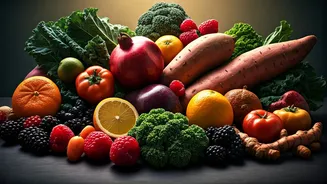
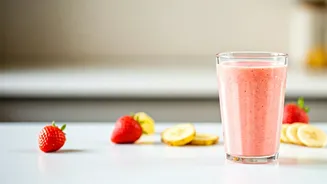
ellagitannins, anthocyanins, and flavonoids, which act as potent antioxidants. They work by neutralizing free radicals that cause cellular damage and can lead to chronic inflammation. In fact, studies suggest pomegranate's antioxidant capacity surpasses that of both red wine and green tea. You can easily integrate these vibrant seeds into your diet by substituting them for berries or citrus in salads, or by adding their tart juice to teas, smoothies, or kombucha for a delightful flavor enhancement.
Broccoli's Cruciferous Strength
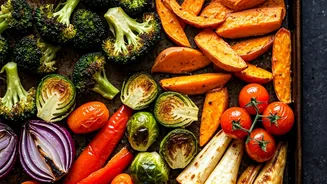
Although available year-round, broccoli truly shines in the winter, thriving in colder temperatures. While consuming a variety of vegetables is crucial for an anti-inflammatory diet, opting for cruciferous vegetables like broccoli offers an extra layer of protection. These vegetables contain special sulfur-based compounds known as glucosinolates, which are instrumental in reducing the risk of chronic diseases by mitigating inflammation. If broccoli isn't your favorite, consider other excellent cold-weather cruciferous options such as Brussels sprouts, kale, cabbage, Swiss chard, and turnip greens, all offering similar health benefits.
Blood Oranges' Vibrant Glow
All citrus fruits are celebrated for their high vitamin C content, a powerful antioxidant that bolsters the immune system, and many reach their peak sweetness in winter. Blood oranges, however, offer an additional surge of antioxidants. Their distinctive deep red flesh is due to anthocyanins, the very same compounds found in berries that contribute to their anti-inflammatory properties. Enjoy blood oranges as a standalone snack, incorporate them into salads for a sweet and tangy element, or use them to create healthier dessert options and pan sauces.
Leeks: The Mild Allium
Belonging to the allium family, which also includes onions and garlic, leeks are a winter gem. These vegetables are a good source of quercetin, an anti-inflammatory compound that research indicates can help reduce the impact of harmful chemicals in the body. Leeks, often available in late winter and early spring, can serve as a milder alternative to onions in various recipes. They possess a subtle flavor, more delicate than onions but more pronounced than scallions. Leeks are delicious when added to soups, braised until tender, or even mixed into mashed potatoes for an extra dose of vegetables.
Sweet Potatoes' Carotenoid Power
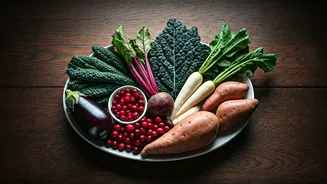
Sweet potatoes stand out among starchy vegetables for their significant anti-inflammatory qualities. Beyond being a good source of vitamin C and providing a lower-glycemic carbohydrate option, their impressive carotenoid content is key. These pigments, responsible for the sweet potato's vibrant orange hue, are potent antioxidants that shield cells from damage caused by free radicals, thereby preventing and reducing inflammation. Furthermore, the body efficiently converts many carotenoids into active vitamin A, which is vital for immune function and managing inflammatory responses. Roasting, stuffing, or making healthier fries are just a few ways to enjoy them.
Beets' Earthy Anti-Inflammatories
Beets are a nutritional powerhouse, offering essential nutrients like potassium, folate, and vitamin C, all of which play a role in regulating the immune system's response to inflammation. However, it's the betalains and nitrates within beets that truly set them apart. Betalains are antioxidant-like compounds linked to reduced markers of inflammation in the blood. Naturally occurring nitrates, distinct from potentially harmful added nitrates, have demonstrated an ability to lower blood pressure and exert anti-inflammatory effects. Roasted beets are a delightful addition to salads, they can add a vibrant hue to hummus, or be blended into smoothies for an antioxidant boost.
Pears for Gut Health
Cultivating a healthy gut microbiome is fundamental to both preventing and alleviating inflammation, and a balanced diet rich in probiotics and prebiotics is paramount. Pears excel as a source of prebiotic fiber, which serves as essential nourishment for your beneficial gut bacteria, promoting their thriving growth. As one of the fruits with the highest fiber content—a single medium pear provides about 6 grams of fiber—they contribute significantly to digestive wellness. Enjoy them as a simple snack with nut butter, add them to salads for a touch of sweetness, roast them, or use them in healthier dessert creations.