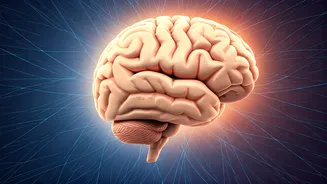

The Brain-Exercise Connection
The link between physical activity and brain health is increasingly clear. Experts have found that regular exercise can play a crucial role in maintaining
cognitive function and potentially warding off cognitive decline. Exercise isn't just good for your body; it's also a fantastic workout for your brain. Engaging in physical activity fuels the brain with oxygen and vital nutrients, setting the stage for optimal performance. This leads to the fortification of the neuronal pathways in the brain. The brain's natural ability to reorganize itself by forming new neural connections throughout life, is referred to as neuroplasticity. This means that consistent exercise is like building a stronger foundation for your mental well-being, helping you to stay sharp and focused.
Time Commitment for Results
The good news is that you don’t need to spend hours at the gym to reap the benefits. The research highlights that a total of 150 minutes of weekly physical activity can create substantial positive changes in your brain health. This can be broken down into manageable chunks throughout the week, making it easier to integrate exercise into your daily routine. This means that a little over 20 minutes a day is enough to kickstart cognitive improvements. The beauty of this approach lies in its flexibility. You can choose activities you enjoy, whether it’s brisk walking, jogging, cycling, swimming, or dancing, to achieve the recommended exercise duration. The important thing is consistency, not necessarily intensity. Regular activity consistently supports better brain health.
Strengthening Neural Pathways
Physical activity stimulates the growth and strengthening of neural pathways, which are essentially the communication highways in your brain. These pathways enable the rapid transmission of information, enhancing memory, learning, and overall cognitive function. When you exercise, your brain produces more of a protein called brain-derived neurotrophic factor (BDNF), often dubbed as 'miracle-gro' for the brain. BDNF protects brain cells from damage and encourages the formation of new connections. The more you exercise, the more BDNF your brain produces, leading to more robust neural pathways. This, in turn, helps to improve memory, concentration, and the ability to process information quickly. Engaging in regular exercise ensures that these crucial pathways remain in top condition, supporting long-term cognitive vitality.
Reducing Dementia Risk
One of the most significant benefits of regular physical activity is its ability to reduce the risk of dementia and other forms of cognitive decline. Dementia is a broad term for conditions that affect the ability to remember, think, or make decisions, and it can significantly impact quality of life. Research indicates that regular exercise helps protect against these conditions by improving blood flow to the brain, reducing inflammation, and promoting the health of brain cells. Engaging in activities that get your heart rate up, such as brisk walking or jogging, can be particularly beneficial. By committing to 150 minutes of moderate-intensity exercise weekly, individuals can significantly lower their risk. This proactive approach gives you the power to safeguard your cognitive function and enjoy a healthier, more fulfilling life.
Practical Exercise Ideas
Incorporating exercise into your routine doesn't require complex training regimes or expensive gym memberships. Walking is an excellent starting point, and it’s easily adaptable to your schedule. You can take brisk walks during your lunch break, in the evenings, or on weekends. Jogging, cycling, and swimming are also fantastic options, offering both cardiovascular benefits and mental stimulation. Group exercise classes, such as aerobics or Zumba, provide a social element that can enhance motivation and make workouts more enjoyable. Dancing is a fun way to improve your physical fitness while boosting mood and cognitive skills. Even gardening or doing household chores with enthusiasm counts as physical activity. The key is to find activities you genuinely enjoy and can stick with consistently.