


Seed Preparation Matters
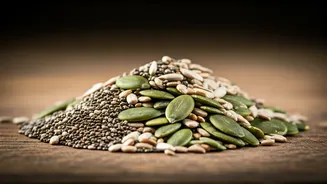
Seeds are universally recognized as nutritional powerhouses, brimming with essential fiber, healthy fats, minerals, and antioxidants. Many incorporate
them into their daily diets, but the true extent of their benefit often hinges on *how* they are consumed. Nutritionist Shalini Sudhakar emphasizes that while seeds are inherently nutrient-dense, suboptimal consumption methods can prevent your body from fully capitalizing on these advantages. Implementing subtle yet effective preparation techniques, such as soaking or mindful timing, can significantly improve nutrient bioavailability. These adjustments empower your digestive system and ensure that the goodness packed within each tiny seed translates into tangible health improvements and supports your body's functions more effectively.
Chia Seed Advantage
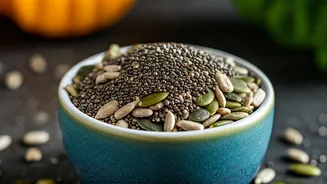
Chia seeds, a popular choice in healthy eating, offer distinct benefits when consumed optimally. According to nutritionist Shalini Sudhakar, the ideal time to eat chia seeds is first thing in the morning on an empty stomach. This timing is particularly effective because the soluble fiber present in chia seeds initiates digestive improvements for the entire day. Furthermore, consuming them in this manner aids in maintaining stable blood sugar levels, which is crucial for managing fat loss and achieving a balanced energy profile. The recommended preparation involves soaking chia seeds in water, allowing them to swell and activate their soluble fiber content. Consuming them along with this infused water facilitates superior nutrient absorption compared to ingesting them in their dry state.
Sunflower & Pumpkin Timing
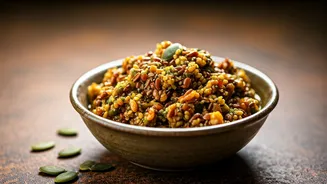
Sunflower and pumpkin seeds are frequently enjoyed as convenient snacks throughout the day, but their nutrient absorption can be significantly enhanced by strategic timing. Shalini Sudhakar suggests that the optimal window for consuming these seeds is between 2 pm and 4 pm. The rationale behind this recommendation is that the beneficial fats from your midday meal aid in the more efficient absorption of key minerals like zinc and magnesium, which are abundant in sunflower and pumpkin seeds. The simplest and most effective preparation method involves lightly dry roasting the seeds. This process not only helps preserve their inherent nutritional value but also renders them more easily digestible, making them an ideal afternoon pick-me-up.
Basil Seed Hydration
Basil seeds, known for their refreshing and cooling properties, are especially beneficial during warmer periods. Nutritionist Shalini Sudhakar advises consuming basil seeds mid-morning, as this period allows the body to efficiently absorb nutrients prior to the lunch meal. Their hydrating and cooling effects are particularly valuable, providing support to the body during hot weather conditions. The best way to prepare basil seeds is to soak them in water, much like chia seeds, and allow them to swell and activate their nutritional components. Consuming them directly in this hydrated form maximizes their cooling and hydrating benefits, contributing to overall well-being.
Why Preparation & Timing Count
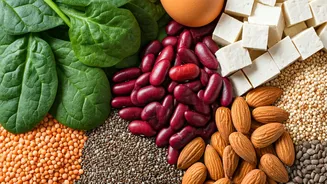
While seeds are undeniably rich in essential nutrients, simply adding them haphazardly to meals might not yield their full potential. As nutritionist Shalini Sudhakar highlights, the correct timing and preparation methods are pivotal in determining how effectively your body can absorb the fiber, minerals, and healthy fats they contain. Soaking specific types of seeds helps to unlock their nutrients and improve their digestibility, making them gentler on the system. Conversely, consuming other seeds at particular times of the day can amplify their absorption and overall effectiveness. Seeds are a powerful dietary addition, but their benefits are maximized when approached with a mindful consumption strategy, focusing on the optimal time and method for each.