




The Cholesterol Connection
The primary difference between saturated and unsaturated fats lies in how they influence your body's cholesterol levels, specifically the 'bad' LDL cholesterol.
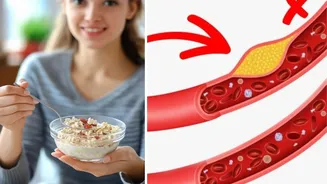
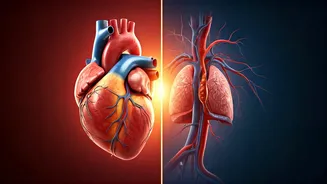
LDL cholesterol is notorious for its tendency to build up within your arterial walls, a process that can eventually lead to serious cardiovascular issues. Understanding this fundamental difference is key to making informed dietary choices that support a healthy heart. When LDL cholesterol accumulates, it forms plaque, which narrows the arteries and restricts blood flow. This restriction can significantly increase the risk of heart attacks and strokes. Therefore, managing LDL levels through diet is a cornerstone of maintaining good cardiovascular health.
Why Saturated Fats Concern
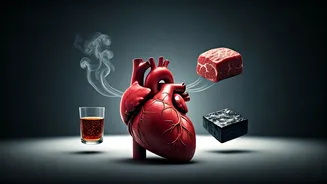
Saturated fats, often found in animal products like red meat, butter, and full-fat dairy, as well as in some tropical oils, have a tendency to elevate the levels of LDL cholesterol in your bloodstream. When consumed in excess, these fats contribute to the formation of arterial plaque, gradually narrowing the passages through which blood flows to vital organs. This increase in LDL cholesterol is a significant risk factor for heart disease, as it directly impedes the efficient circulation of blood. The structure of saturated fat molecules allows them to pack together more tightly, which can make them more likely to solidify at room temperature and contribute to the hardening of arteries when they reach a certain concentration in the body. Prioritizing sources of healthier fats and moderating the intake of saturated fats is a widely recommended strategy for preventing cardiovascular complications.
Unsaturated Fats' Benefits
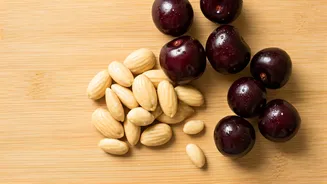
In contrast, unsaturated fats, commonly found in plant-based foods like avocados, nuts, seeds, and olive oil, tend to have a beneficial effect on cholesterol levels. These fats, particularly monounsaturated and polyunsaturated fats, can help lower LDL cholesterol and, in some cases, even increase HDL ('good') cholesterol. This dual action makes them a vital component of a heart-healthy diet, actively working to keep your arteries clear and promoting better blood flow. By displacing less healthy fats in your diet, unsaturated fats can play a proactive role in cardiovascular protection. Their molecular structure is more fluid, which is believed to contribute to their positive impact on blood lipid profiles. Incorporating a variety of these healthy fat sources into your meals is a simple yet effective way to support long-term heart health and reduce the risk of arterial blockages.