






The Unseen Breath Habit
Many individuals unknowingly fall into a pattern of shallow, hurried breathing throughout their day. This suboptimal respiratory habit, often a consequence
of modern sedentary lifestyles, prolonged screen time, and persistent low-grade stress, leads to the underutilization of the diaphragm. Instead of engaging the core for deep, restorative breaths, the body defaults to quick, upper-chest inhalations. This seemingly minor alteration can trigger the body's primal 'fight-or-flight' response, even in the absence of immediate danger. The physiological impact includes reduced lung efficiency and a sustained state of nervous system arousal, which can manifest as difficulty concentrating, increased feelings of anxiety, and even contribute to heart rhythm irregularities. Noticing this pattern is straightforward: place one hand on your chest and another on your abdomen. If your chest rises significantly more than your stomach during inhalation, your breathing is likely not as efficient as it could be, leading to an unseen strain on your body's systems.
Brain Fog and Fight-or-Flight
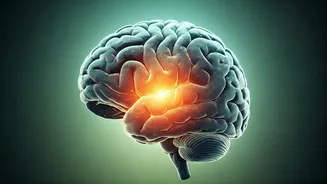
Your brain is remarkably attuned to your breathing rhythm. When breaths become short and rapid, the brain interprets this as a signal of distress, activating the sympathetic nervous system's 'fight-or-flight' mode. This state, characterized by an imbalance of oxygen and carbon dioxide in the bloodstream (hypocapnia), can significantly impact cognitive function. Dr. Sushil Gupta explains that this imbalance can directly stimulate the amygdala, the brain's fear processing center, thereby escalating feelings of anxiety and contributing to what's commonly known as 'brain fog.' Consequently, your ability to focus diminishes, and you may experience heightened irritability or a sense of unease without an apparent external cause. Research consistently supports the notion that the simple act of breathing can silently steer your mental state towards either anxiety or tranquility, independent of external circumstances. Consciously altering your breathing pattern is a powerful tool for managing your brain's immediate responses.
Heart Health Under Strain
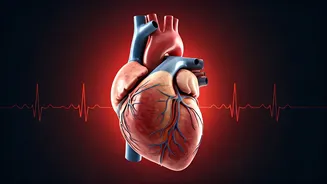
The effects of shallow breathing extend beyond the brain, exerting a noticeable strain on your cardiovascular system. When you consistently breathe shallowly and rapidly, your body releases elevated levels of cortisol, the primary stress hormone. Prolonged high cortisol levels place undue pressure on the heart and blood vessels, increasing the risk of various cardiovascular issues. Dr. Gupta points out that this chronic stress response can lead to or exacerbate conditions like arrhythmia, where the heart rhythm becomes irregular, beating either too fast or too slow. Furthermore, studies indicate that controlled breathing exercises can significantly improve heart rate variability (HRV), a crucial indicator of cardiovascular resilience. By promoting a calmer nervous system response, regularizing your breath can help mitigate the silent pressure exerted on your heart, fostering better long-term cardiac health and reducing the likelihood of stress-induced cardiovascular problems.
The Anxiety-Breath Connection
Anxiety and breathing patterns share a profound, symbiotic relationship; they frequently feed into each other, creating a difficult-to-break cycle. During periods of stress or panic, breathing naturally becomes erratic and shallow. However, the reverse is equally true: suboptimal breathing can actively trigger feelings of anxiety, even when there's no apparent external trigger. This is why individuals experiencing panic attacks often report a sensation of breathlessness, and those with pre-existing breathing difficulties frequently report heightened anxiety. Modern science is increasingly understanding this connection, recognizing that controlled, mindful breathing can act as an anchor to reset the nervous system. By deliberately slowing down and deepening your breath, you send a powerful signal of safety to your brain, helping to interrupt the anxious feedback loop and restore a sense of calm.
Retraining Your Breath
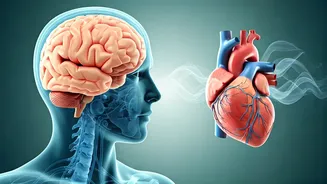
The excellent news is that your breathing patterns are not fixed and can be effectively retrained. Your body is highly responsive to changes in its respiratory rhythm. Dr. Gupta recommends a structured approach centered on diaphragmatic breathing, which involves engaging your diaphragm for deeper, more resonant breaths. This technique actively stimulates the vagus nerve, a critical component of the parasympathetic nervous system that connects your brain, heart, and digestive system. By activating the vagus nerve, you shift your body from a 'fight-or-flight' state to a state of recovery and relaxation. Research suggests that practicing slow, deep breathing at a rate of approximately six breaths per minute can optimize heart rate variability (HRV). A specific exercise involves inhaling deeply through the nose for a count of four, holding for two, and exhaling slowly for six. Consistently practicing this for just 10 minutes daily has been shown in trials for hypertension to lower systolic blood pressure by an average of 8 mmHg. This isn't a quick fix but a sustainable method to recalibrate your nervous system's baseline response, leading to improvements in focus, mood, and overall health.