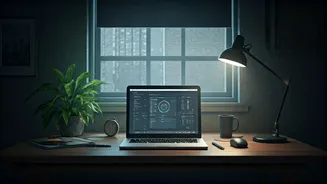








The WFH Struggle
A tech professional's candid account of experiencing constant dizziness and a profound lack of focus has captured widespread attention, highlighting the
often-overlooked health detriments of prolonged remote work. This individual, navigating their first extended period of working from home, shared their struggles on social media, revealing how their current home office arrangement has severely impacted both their physical and mental state. The employee described waking up feeling groggy and experiencing an overall dip in energy levels, even after ample sleep, attributing these symptoms directly to the isolation and environmental factors of their remote setup. This relatable struggle has resonated with many others in the remote workforce who are encountering similar adverse effects, prompting a deeper examination of how our home environments influence our well-being and productivity.
Windowless Work Environment
A critical factor contributing to the techie's declining health is their workspace: a room entirely devoid of windows and natural sunlight, situated adjacent to a neighboring building. This lack of exposure to daylight is a significant concern, as it can disrupt circadian rhythms and potentially lead to deficiencies, such as low Vitamin D levels, which are often linked to fatigue and mood disturbances. The employee’s description of a sedentary routine, starting work shortly before meetings and relying heavily on AI tools for coding tasks, further compounds the issue. While these tools enhance efficiency, they also reduce the mental engagement typically derived from complex problem-solving, leading to boredom and a diminished sense of accomplishment. This combination of environmental deprivation and reduced cognitive stimulation creates a perfect storm for physical and mental exhaustion.
Community Support and Solutions
In response to the techie's viral post, a flood of support and practical advice emerged from the online community, with many users sharing their own experiences with similar WFH challenges. A common theme in the suggestions was the importance of integrating physical activity and natural light into daily routines. Recommendations included joining a gym, maintaining a balanced diet, and ensuring adequate vitamin levels. Several users emphasized the significant benefit of a morning routine that incorporates a brisk walk in the sunlight for at least 15 minutes. Others advised taking short, frequent breaks every 30 minutes to move around the house and stretching. The consensus pointed towards lifestyle adjustments like early rising, regular exercise, sufficient sleep, and consciously seeking out sunlight as crucial strategies for mitigating the negative health impacts of remote work.