




Mindful Munching Matters
The speed at which you consume your meals significantly impacts your digestive comfort and calorie intake. It takes approximately 20 minutes for your brain
to receive signals that your stomach is full. When you eat too quickly, you bypass this crucial feedback loop, often leading to overeating and the consumption of more calories than necessary. Furthermore, rapid eating can cause you to swallow excess air, which directly contributes to uncomfortable bloating and a distended abdomen. To combat this, consciously slow down your eating pace. Take deliberate bites, chew your food thoroughly, and savor each mouthful. This practice not only aids in better digestion but also allows your body to register fullness more effectively, preventing unnecessary calorie overconsumption and reducing air intake.
Keep Your Gut Moving
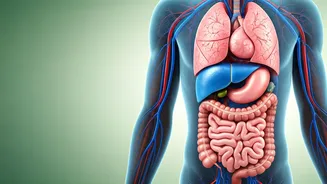
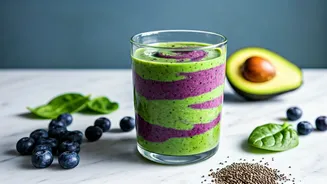
A sluggish digestive system can leave you feeling perpetually heavy and cause noticeable puffiness around your midsection. When your bowels aren't moving regularly, waste material can accumulate, leading to discomfort and a bloated appearance. To promote healthy gut motility and prevent constipation, it's vital to incorporate a generous amount of fiber into your diet. This means focusing on fruits and vegetables, which are naturally rich in dietary fiber. Equally important is adequate hydration; drinking plenty of water is essential for softening stool and ensuring smooth passage through the digestive tract. Combining a high-fiber diet with consistent water intake is a powerful strategy to maintain regularity and alleviate that heavy, bloated feeling.
Sidestep Salt & Processed
Consuming excessive amounts of salt, commonly found in processed foods, can lead to significant water retention in the body. When your sodium levels are high, your body tries to dilute it by holding onto more water, resulting in temporary weight gain and a puffy appearance, particularly around the belly. To mitigate this, it's highly recommended to reduce your intake of salty snacks like chips, pre-packaged meals, and overly seasoned sauces. Opting for whole, unprocessed foods and flavoring your meals with herbs and spices instead of salt can make a substantial difference in managing water weight and achieving a less bloated look.
Navigating Dairy Sensitivities
For many individuals, certain dairy products can trigger uncomfortable digestive distress, including bloating and fluid retention in the abdominal area. This sensitivity is often due to lactose, a sugar found in milk and its derivatives. If you suspect dairy might be contributing to your bloating, consider moderating or avoiding certain high-lactose items. This typically includes soft cheeses such as brie, ricotta, and cream cheese, as well as indulgent treats like ice cream and whipped cream. By being mindful of your consumption of these items, you can help alleviate digestive discomfort and reduce midsection puffiness.
Post-Meal Movement Power
The habit of sitting or lying down immediately after finishing a meal can hinder your efforts to achieve a flatter stomach. When you remain sedentary for prolonged periods after eating, your body's digestive processes can slow down. This sluggishness may not only lead to bloating but can also encourage the body to store excess energy as fat, particularly around the abdominal region. Incorporating light physical activity, such as a gentle walk, soon after your meal can significantly aid digestion. This movement helps to stimulate the gut, facilitate nutrient absorption, and prevent the accumulation of discomfort and unwanted fat.