
Housing Development Boost
A core objective of the Union Budget 2026 was to enhance urban housing opportunities, recognizing the growing demand due to urbanization. The budget introduced
several measures to support affordable housing initiatives. There was a notable increase in funding allocated towards the Pradhan Mantri Awas Yojana (Urban), with the aim to provide affordable housing for all. This will encompass constructing new homes and upgrading existing ones, facilitating homeownership for a broader segment of the population. The government also proposed tax incentives for first-time homebuyers and streamlined approval processes for housing projects. These steps aimed to promote a more accessible and inclusive housing market, acknowledging housing as a fundamental necessity and a significant driver of economic activity. The budget's focus on affordable housing highlighted the government’s commitment to improving the quality of life for urban citizens and ensuring sustainable urban development.
Infrastructure Investment Expansion
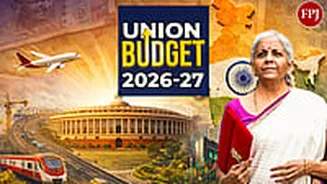
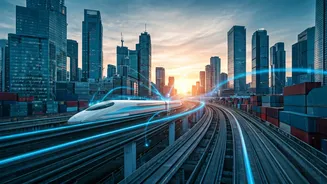
The Union Budget 2026 demonstrated a strong dedication to enhancing urban infrastructure, allocating significant financial resources to several key projects. Major investments were targeted towards upgrading and expanding transportation networks, including roadways, railways, and metro systems in major cities. This investment aimed to alleviate traffic congestion, improve connectivity, and stimulate economic activity. Furthermore, there was an emphasis on improving public utilities, with funding provided for water supply, sanitation, and waste management projects. The government also prioritized the development of smart cities, investing in digital infrastructure and technologies to improve urban services and promote sustainability. These comprehensive infrastructure initiatives were crucial to facilitate economic growth and enhance the quality of life for urban residents. This included the construction of new infrastructure projects and the renovation of existing ones. The integrated approach of the budget aimed to create modern, efficient, and sustainable urban environments across India.
Freight Connectivity Enhancements
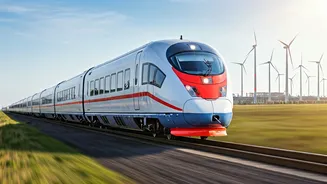
Recognizing the importance of efficient freight movement for economic prosperity, the Union Budget 2026 placed considerable emphasis on improving freight connectivity. A significant portion of the budget was dedicated to enhancing logistics infrastructure, including the development of new freight corridors and the upgrading of existing ones. The aim was to reduce transportation costs, minimize transit times, and boost the competitiveness of Indian businesses. The government also proposed measures to streamline customs procedures and integrate digital technologies into freight operations, further improving efficiency. Investments in port infrastructure and inland waterways were also prioritized, to facilitate seamless cargo movement across the country. The comprehensive strategy for freight connectivity reflected the government's commitment to supporting trade, facilitating economic growth, and improving India's position in the global supply chain. The plan involved several new projects that are essential to improving the flow of goods and services.
Financial Resource Allocation
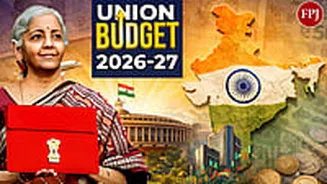
To implement these ambitious plans, the Union Budget 2026 outlined a detailed financial strategy. A substantial allocation of funds was designated for urban housing, infrastructure development, and freight connectivity, with specific figures released. The government planned to leverage a combination of budgetary resources, public-private partnerships, and external financing to ensure the availability of adequate funds. Fiscal management and efficient resource utilization were paramount, with an emphasis on transparency and accountability. The budget also included provisions for monitoring the progress of projects and evaluating the impact of these investments. The allocation of financial resources underscored the government's commitment to achieving its urban development objectives and creating a modern, efficient, and sustainable urban landscape. This involved careful planning and execution across various sectors to ensure effective use of the allocated funds.
Economic Impact Assessment
The strategic initiatives outlined in the Union Budget 2026 have considerable economic implications. The investments in housing, infrastructure, and freight connectivity are expected to generate economic growth by stimulating construction, creating jobs, and improving overall productivity. Furthermore, the enhanced infrastructure and efficient logistics networks are anticipated to boost trade and investment, positioning India as a more attractive destination for businesses. The focus on affordable housing and improved urban amenities is expected to improve the quality of life for urban residents, contributing to a more inclusive and prosperous society. The economic impact assessment is a critical part of the budget, helping to estimate the broad economic and social gains and evaluating the cost-effectiveness of each initiative.