

Bulky Furniture Overload
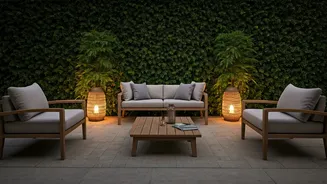
Overstuffing your patio with oversized and chunky furniture is a swift way to make it feel claustrophobic, as designers frequently observe. Opting for
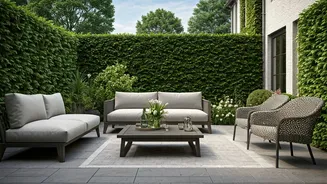
pieces with a slim profile, such as low-slung seating with exposed legs, can introduce an airy, open ambiance. While more substantial furniture pieces can certainly be incorporated, it's crucial to ensure their scale is proportionate to the patio's overall dimensions. The furniture should complement, not dominate, the floor space, allowing ample room for comfortable movement and creating a sense of spaciousness rather than confinement.
Underdecorated Void
Conversely, an underutilised patio with excessively small or sparse furnishings can paradoxically create an illusion of diminished size. Interior designers suggest that a lack of thoughtful layering detracts from the space's potential. To foster depth and a more welcoming atmosphere, incorporate an appropriate arrangement of furniture, complemented by area rugs, lush greenery, and ambient lighting. Designing a distinct conversation zone with seating and side tables enhances functionality and guest comfort. An outdoor rug or a central fire pit can effectively anchor these seating arrangements, simultaneously contributing to a cozy and inviting setting.
The Clutter Conundrum
While aiming for a well-appointed outdoor area, it's essential to resist the urge to cram too many elements into one place. Excessive knick-knacks, decorative items, and an abundance of small planters can transform a patio into a chaotic jumble rather than a curated sanctuary. Designers advocate for embracing vertical space as a strategy to counter this. The inclusion of wall-mounted planters, trellises, or even a striking pergola can guide the eye upwards, effectively creating an illusion of greater expansiveness and drawing attention away from any perceived crowding.
Obstructed Vistas
Placing large objects directly in the center of an outdoor area can visually bisect the space, obstructing expansive views and making the patio feel enclosed. Architects recommend strategically positioning significant items, such as grills or tables with umbrellas, towards the periphery of the patio. This positioning enhances the perception of openness. Furthermore, distributing decorative elements throughout the space helps to achieve a balanced and aesthetically pleasing composition, contributing to an overall sense of generous proportions.
Dominance of Dark Hues
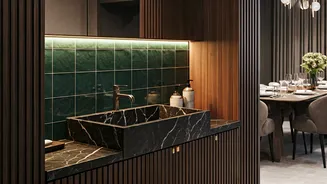
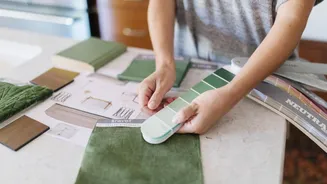
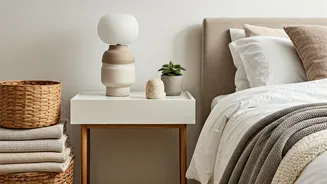
The chosen color palette for furnishings, textiles, and hardscaping materials significantly influences how spacious a patio appears. Embracing lighter, neutral tones—such as off-white fabrics and pale-toned wooden furniture—can make the area feel and look more expansive and open. For those who prefer darker colors, balancing them with lighter, airier elements is key. Consider incorporating charcoal-hued metal cafe chairs, deep brown rattan sofas, or light-colored slatted teak benches to achieve a harmonious blend that avoids visual shrinkage.
Fragmented Foundation
Another frequent design oversight that visually constricts patio space is the use of fragmented flooring, where different materials or colors are pieced together. Designers suggest that creating a unified surface using a single material or tile type promotes a seamless and expansive feel. Even when using pavers, opting for large-format units of the same material and color family, or consistently sized decking, can establish a cohesive look. Lighter-colored pavers in the largest available sizes are particularly effective in enhancing the perception of spaciousness.