







Idli: South Indian Delight
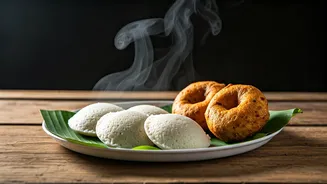
Idli, a quintessential South Indian breakfast, is made from fermented batter of rice and urad dal. The batter is steamed, creating soft, fluffy cakes.
This process ensures the dish is easily digestible. Idli is usually served with sambar (a lentil-based vegetable stew) and coconut chutney. Its light and wholesome nature makes it a popular choice. The fermentation process not only aids digestion but also enhances the nutritional value. It's a simple, yet satisfying way to kickstart the day, providing essential nutrients without being heavy. Its bland taste makes it perfect with variety of side dishes like chutneys and sambar. Its popularity extends beyond the South, enjoying widespread appeal across India, appreciated for its simplicity and health benefits. The steaming process retains the essential nutrients, making it a very healthy breakfast option.
Dhokla: Gujarati Staple
Dhokla, a beloved Gujarati snack, is steamed to perfection. It is made from fermented batter typically including rice, chana dal and spices. The batter is steamed to create a light and spongy cake-like texture. This process preserves its nutrients. Dhokla is often seasoned with mustard seeds, green chilies, and coriander, providing a burst of flavors. It can be enjoyed with chutney and a touch of sev (crispy noodles). This snack offers a delightful balance of taste and texture. Its fermentation also makes it easy to digest. Dhokla's preparation demonstrates a culinary tradition that prioritizes both flavor and health, showcasing the diverse appeal of steamed foods in Indian cuisine. Its versatility makes it a perfect breakfast option.
Khaman: Savory Gujarati
Similar to dhokla, Khaman is another popular Gujarati snack, also made by steaming a batter. The ingredients are similar, but the texture and taste varies. Khaman is typically made using chana dal and spices, steamed to achieve a soft and porous consistency. It is seasoned with spices and herbs and served with chutney. Its light and fluffy nature makes it a great breakfast. Its preparation reflects a dedication to wholesome, flavor-packed meals. The careful steaming retains the dish's nutritional value, and it makes for an ideal meal.
Modak: Maharashtrian Sweet
Modak is a sweet dumpling that holds a special place in Maharashtrian cuisine. It is steamed, often filled with a sweet coconut and jaggery mixture. The outer layer is made from rice flour. The steaming process makes it soft and easy to eat. Modak is particularly associated with the festival of Ganesh Chaturthi, making it a cultural treat as well. This makes it more than just a dish; it's a symbol of tradition and celebration. Its preparation, which often involves intricate designs, shows the artistry of Indian cooking. The balance of the soft exterior and sweet filling provides a delightful taste.
Puttu: Kerala’s Breakfast
Puttu is a traditional breakfast from Kerala, made of steamed cylinders of ground rice and coconut. The combination of rice and coconut is a delicious combination. The rice is layered with grated coconut, and the mixture is steamed in a special puttu kutti (steamer). The result is a fluffy, cylindrical dish served with kadala curry (black chickpea curry) or sweetened with sugar and ghee. Puttu highlights the importance of steaming in Kerala's cuisine. Its preparation showcases the unique regional flavors and cooking techniques. It's a light and filling meal.
Idiyappam: String Hoppers
Idiyappam, also known as string hoppers, is another breakfast option from South India, particularly popular in Tamil Nadu and Kerala. It is made from rice flour, pressed into noodle-like strands, and then steamed. This method produces a delicate, soft dish. Idiyappam is usually served with stew or vegetable curry. The simple preparation and versatile nature makes it a great choice. Its texture makes it ideal for absorbing the flavors of the accompanying dishes. The presence of idiyappam exemplifies the ingenuity of utilizing steaming techniques. It's a healthy, delightful start to the day.
Momos: Himalayan Delight
While not exclusively Indian, Momos, steamed dumplings, are highly popular in the Himalayan regions of India. These dumplings contain various fillings, like vegetables or meat. The stuffing is encased in a dough made from wheat flour and is then steamed. The steaming process ensures a juicy and flavourful dish. Momos are typically served with a spicy chutney. This makes the dish even more flavorful. The adaptability of momos showcases the influence of various cuisines in the diverse landscape of Indian food. Their popularity reflects a taste for steamed foods that are satisfying and comforting. Their preparation also preserves the nutrients present in the fillings.
Kothu Parotta: Tamil Nadu
Kothu Parotta, though not entirely steamed, includes steamed elements. It is a street food dish from Tamil Nadu, featuring shredded parotta (flaky flatbread) stir-fried with vegetables, eggs, or meat. Although primarily stir-fried, the parotta itself is often steamed during the preparation. This gives it a soft texture. The combination of flavors and textures makes it a delightful choice. Its preparation mirrors the resourcefulness of using steaming in a variety of cooking techniques. Its popularity demonstrates a appreciation for diverse cooking styles. Kothu Parotta is a complete meal. It also provides a unique blend of flavors.
Bati: Rajasthani Staple
Bati, a hard, round bread, is a staple of Rajasthani cuisine, sometimes prepared with a steaming step. The dough is made from wheat flour and then baked or steamed. Steaming adds some moisture. It is typically served with dal (lentils) and churma (sweet crumbled bread). Bati provides a satisfying and filling meal. Its preparation highlights the methods used to create traditional dishes. Its inclusion reflects the influence of steaming across diverse regional cuisines. This dish is part of the Rajasthani heritage.
Thukpa: Tibetan Noodles
Thukpa, a noodle soup, is a staple in the Himalayan regions and features steamed noodles. The noodles are typically homemade and steamed until soft. The soup usually contains vegetables, meat, and spices. It's a comforting and nutritious meal, perfect for a cold morning. Its preparation demonstrates the adaptability of steaming in various culinary styles. Thukpa's popularity indicates a taste for wholesome and flavorful meals. Its steamed noodles make it a light, healthy meal.