





Sour Curd Revival
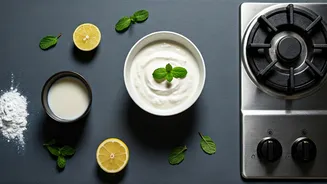
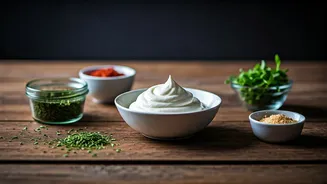
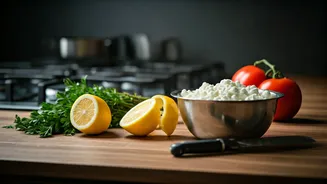
Don't let that slightly sour curd go to waste! It can be a fantastic ingredient for various dishes. Instead of discarding it, consider using it to tenderize
meats, as a base for marinades, or even to create a tangy addition to your doughs for baking. Its acidity can also be leveraged in homemade cleaning solutions for stubborn grease. For a culinary twist, it can be incorporated into certain savory chutneys or dips, adding a unique depth of flavor that regular curd might not achieve. This not only prevents food wastage but also introduces an interesting sour note to your recipes, making them more complex and enjoyable for those who appreciate a bit of tang.
Breadcrumb Versatility
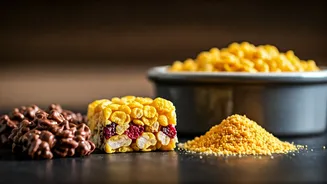
Breadcrumbs are more than just a coating for fried items. They possess a remarkable ability to absorb excess moisture, making them invaluable for thickening soups and stews without altering their flavor profile significantly. Sprinkle them over casseroles or gratins to create a delightful golden-brown crust, adding both texture and visual appeal. Beyond savory applications, breadcrumbs can be incorporated into baked goods like muffins or quick breads to enhance their crumb and moisture retention. They also serve as an excellent binder in vegetarian patties or meatballs, ensuring they hold their shape during cooking. Consider them a pantry staple for adding crunch and binding power.
Okra Freshness Tips
Keeping okra fresh requires a bit of attention to its delicate nature. Upon purchasing, ensure it's dry. Avoid washing it until you're ready to use it, as excess moisture accelerates spoilage. Store uncooked okra in a breathable container or a loosely tied paper bag in the refrigerator's crisper drawer. This allows for air circulation, preventing condensation which leads to sliminess. For longer storage, consider blanching the okra briefly before freezing it. Properly stored, okra can maintain its crisp texture and vibrant green color for several days, ensuring it's ready for your culinary creations without becoming sticky or dried out.
Microwave Cooking Magic
Your microwave is a powerhouse for more than just reheating. It can effectively revive stale chips, making them crispy again with a short burst of power. Use it to quickly soften butter for baking or to melt chocolate without the risk of scorching. It's also ideal for steeping tea leaves or herbs to extract their flavors rapidly. Need to peel tomatoes or garlic easily? A quick zap in the microwave loosens their skins. Furthermore, it can be used to proof dough for baking, significantly speeding up the rising process. These clever uses transform your microwave into a versatile kitchen assistant, saving you time and effort.
Lumpy Curry Solutions
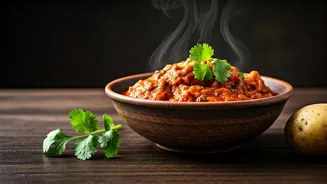
Dealing with a lumpy curry can be frustrating, but fixing it is manageable. If too much flour or cornstarch was used, whisking in a little more liquid, such as water or broth, and simmering gently can help. For curries thickened with curd that has become lumpy, a thorough whisking is key. If lumps persist, carefully strain the curry through a sieve, then return it to the pan to finish cooking. Another effective method is to blend a small portion of the curry and then stir it back into the main pot, creating a smoother consistency. Sometimes, simply cooking it uncovered for a bit longer allows excess liquid to evaporate, naturally thickening and smoothing the curry.
Taming Bitter Gourd
Bitter gourd, while incredibly healthy, can be challenging to consume due to its inherent bitterness. To significantly reduce this intensity, try salting the sliced gourd and letting it sit for about 20-30 minutes to draw out the bitter juices, then rinse thoroughly. Another effective method is to blanch the gourd slices in boiling water with a pinch of salt or a teaspoon of sugar before cooking. Squeezing out the juice after these steps further minimizes bitterness. Combining bitter gourd with ingredients that have a contrasting flavor profile, like sweet onions or tangy tomatoes, also helps to balance the taste, making it more palatable.
Shining Gas Stove
Restoring the shine to your gas stove top is simpler than you think. For stubborn grease and grime, a paste made from baking soda and water can work wonders. Apply it to the soiled areas, let it sit for a while, and then scrub gently with a non-abrasive sponge. For a streak-free finish, a mixture of vinegar and water sprayed onto the surface and wiped clean with a microfiber cloth is highly effective. Lemon juice can also be used for its natural degreasing properties and pleasant aroma. Regularly wiping down the stove after cooking prevents buildup, keeping it looking as good as new with minimal effort.
Zero-Waste Peel Power
Embracing zero-waste cooking means utilizing every edible part of your produce. Vegetable and fruit peels, often discarded, are treasure troves of nutrients and flavor. Citrus peels can be zested for baking or infused into oils and vinegars. Potato peels, when scrubbed clean and baked or fried, make surprisingly crispy chips. Broccoli stalks can be peeled and chopped for stir-fries or soups. Even carrot and beetroot peels can be dehydrated and ground into powders to enrich broths or used in spice blends. This approach not only reduces landfill waste but also unlocks new culinary possibilities and conserves valuable resources.