




Ancient Roots of Clay
Multani mitti, a name that translates to 'clay from Multan,' hails from a region now in Pakistan. This mineral-rich earth, historically significant, was
unearthed from the Indus plains and became a prized commodity, traded throughout the Middle East and South Asia. Its remarkable ability to absorb grease and oils made it invaluable not only in traditional beauty rituals but also in industrial applications, such as cleaning wool fabrics. For centuries, it has been a cornerstone of Indian skincare, revered for its natural cleansing, oil-absorbing, and glow-enhancing properties, far before the advent of modern cosmetic products. Typically found in earthy hues of brown, white, and occasionally green, its color variations are a testament to its diverse mineral composition, acting as a potent natural detoxifying mask for the skin.
Forms of Fuller's Earth
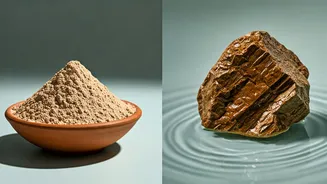
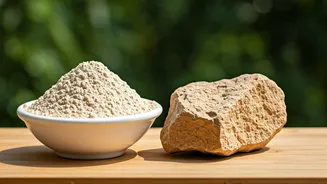
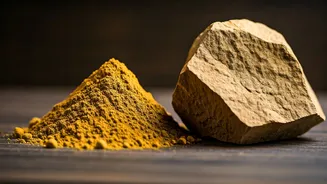
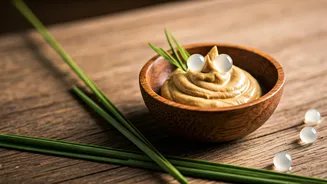
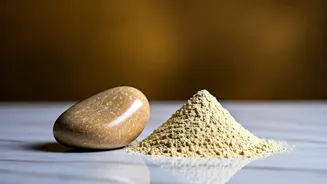
Multani mitti is predominantly available in two distinct forms: a finely processed powder and solid, unprocessed chunks known as stone. The powdered version offers unparalleled convenience; it's readily available in beauty stores and online, saving you the effort of preparation. This form can be effortlessly blended with a variety of natural ingredients like milk, aloe vera, yogurt, or rose water, making it an ideal choice for quick DIY face masks, especially for those new to using clay in their beauty regimen. However, it's important to be aware that some powdered versions might contain added fillers, potentially compromising their quality. Despite this, for beginners seeking an easy entry into clay-based skincare, the powdered form is an excellent starting point.
The Stone Variant
The Multani mitti stone represents a more natural and less processed approach to using this ancient beauty ingredient. Traditionally, women in Indian households would manually crush these solid chunks into a fine powder themselves, ensuring they were using the purest form of the clay. While this method yields an absolutely pure product, it demands considerable effort to grind and then soak the stone before application. Therefore, while it offers supreme purity, it falls short in terms of convenience. If your priority is to harness the most unadulterated benefits of the clay and you don't mind the extra preparation time, opting for the Multani mitti stone is the superior choice for achieving a truly natural glow.
Choosing Your Glow
When aiming for radiant, glowing skin, both the powder and stone forms of Multani mitti offer comparable skincare benefits, stemming from the same mineral-rich source. However, the stone variant is generally considered the more natural and pure option, retaining its intrinsic properties with minimal alteration. For those prioritizing this purity, the stone is the recommended pick. Conversely, if ease of use and quick application are more important, the powdered form excels. It's crucial to remember that frequent application of Multani mitti, regardless of form, can strip the skin of its natural oils. A balanced routine of using it once or twice a week, mixed with hydrating ingredients like rose water, milk, or aloe vera, is ideal for effectively managing sebum production and promoting a healthy, luminous complexion.