





Master the Clutch Pedal
The clutch and transmission are vital yet frequently stressed parts of any vehicle, their durability heavily influenced by how you drive and their inherent
build quality. In busy city environments, characterized by frequent gear changes and constant stopping and starting, these components endure substantial strain. Poor driving techniques, such as prolonged clutch engagement, selecting incorrect gears, or abrupt pedal movements, can accelerate wear and increase the likelihood of premature failure. Given that clutch and gearbox repairs or replacements represent a significant expense, adopting a proactive approach to maintenance through refined driving is crucial. By understanding the fundamental operations of your clutch and gearbox, and by practicing smoother pedal inputs, you can effectively mitigate strain, thereby improving both performance and fuel economy. This article will explore straightforward practices to minimize wear, boost your car's responsiveness, and ultimately decrease long-term ownership expenditures.
Avoid 'Riding' the Clutch
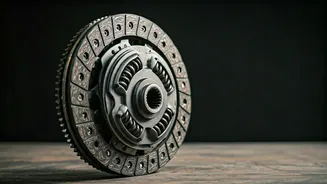
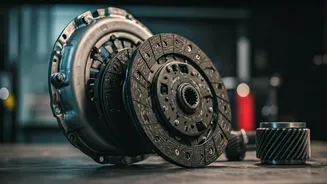
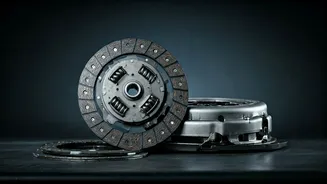
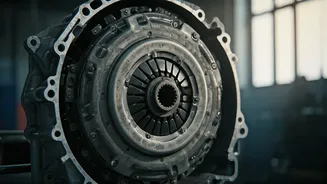
A common pitfall for many drivers is 'riding the clutch,' which means keeping the clutch pedal partially depressed even when the vehicle is moving or needs to be stationary. This action creates continuous friction between the clutch plates, preventing them from fully engaging and leading to accelerated wear and potential overheating of the components. The correct procedure is to disengage the clutch fully when shifting gears and then release the pedal completely until the next gear change is required. Engaging the clutch unnecessarily, such as when slowing down or coasting downhill, also contributes to this premature wear. Vehicles are designed to decelerate effectively while remaining in gear, utilizing engine braking which, in turn, reduces stress on both the clutch and the braking system. Therefore, ensuring the clutch pedal is fully released is paramount for maximizing its lifespan and maintaining optimal vehicle control.
Smooth Shifts, Right Timing
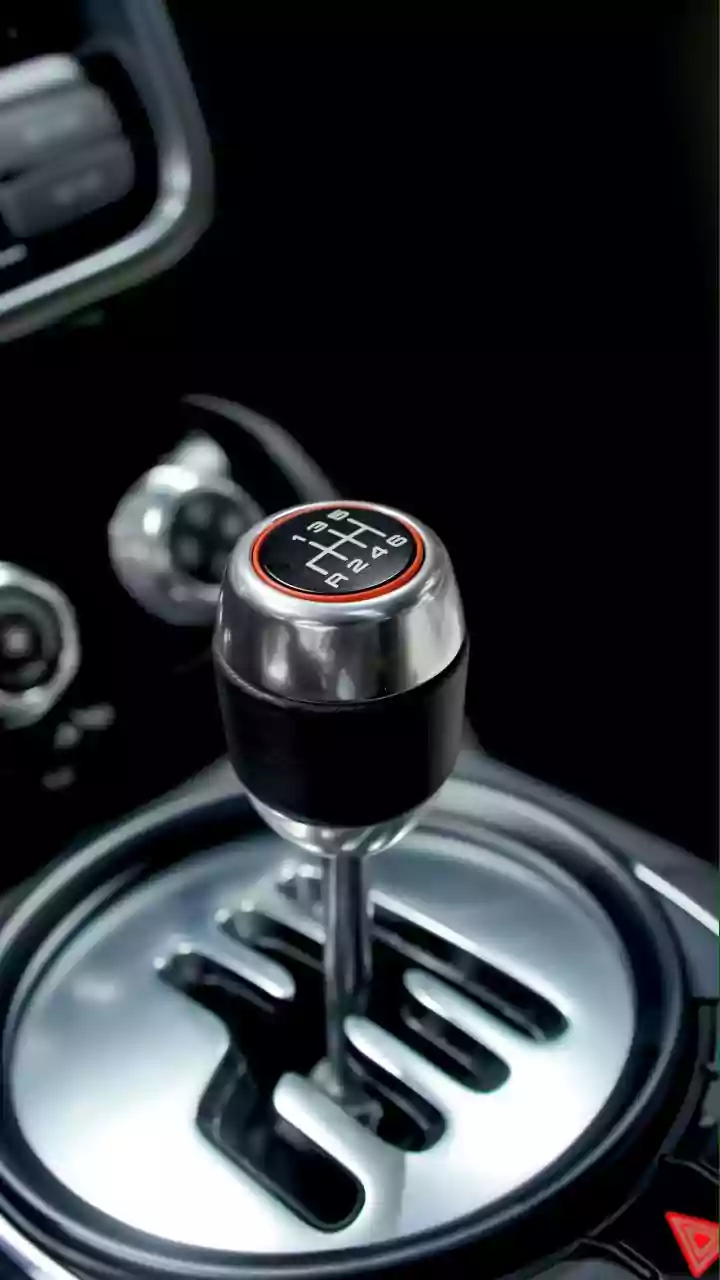
Abrupt or forceful gear changes can inflict significant damage on the internal mechanisms of your gearbox, leading to premature wear and potential failure. It is essential to shift gears smoothly and at appropriate engine speeds that align with your current driving conditions. This means selecting the correct gear for the speed and load of the vehicle, avoiding forcing the gearstick into place, and ensuring the clutch is fully disengaged before attempting a change. Furthermore, when navigating inclines, never use the clutch pedal to hold your vehicle stationary. This places immense pressure on the clutch plates, causing them to overheat and wear down rapidly. Instead, rely on the brakes to keep the car from rolling backward, and only engage the clutch gently and progressively as you accelerate forward.
Mind Your Habits
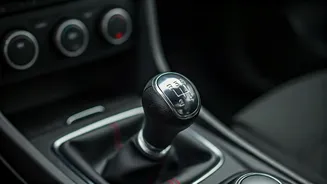
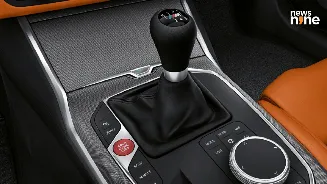
Certain seemingly minor habits can have a substantial cumulative effect on your clutch system's longevity. For instance, resting your hand on the gear lever while driving may seem innocuous, but it can exert undue pressure on the internal shifting forks and synchronizers within the gearbox. This constant, albeit slight, force can lead to accelerated wear over time, compromising the smooth operation of your transmission. The gear lever is designed solely for the purpose of changing gears; it should be left alone during regular driving. Additionally, paying close attention to traffic flow and anticipating changes can dramatically reduce the frequency of clutch use. In stop-and-go traffic, frequent clutch engagement is unavoidable, but by maintaining a safe distance from the vehicle ahead and observing traffic patterns, you can minimize unnecessary gear shifts and clutch activations, thereby extending the life of these critical components.
Maintain and Listen
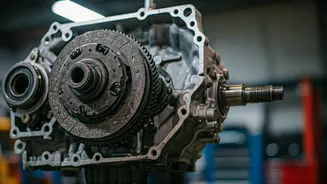
Regular maintenance and vigilant observation are cornerstones of ensuring your clutch and gearbox operate efficiently and last longer. The gearbox oil plays a critical role in lubricating all the moving parts, reducing friction, and dissipating heat, which is essential for smooth operation and longevity. Adhering to your vehicle's recommended service schedule for gearbox oil changes and inspections is paramount. Beyond routine checks, be attentive to any changes in your vehicle's behavior. Unusual noises emanating from the transmission, difficulty engaging gears, a noticeably slipping clutch, or even a burning smell can all be indicators of developing problems. Addressing these warning signs promptly through early inspection and maintenance can often prevent minor issues from escalating into major, costly repairs, safeguarding your investment in the long run.