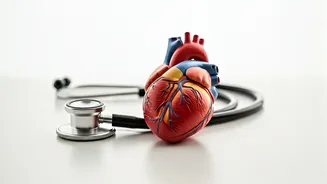

What Is Hypertension?
Paediatric hypertension refers to the condition where a child's blood pressure consistently measures above the normal range for their age, height, and
sex. This is a significant health concern as it can lead to serious cardiovascular problems in the long run. There are two main types of hypertension in children: primary (essential) hypertension and secondary hypertension. Primary hypertension often has no identifiable cause and might be associated with genetics, lifestyle factors, and environmental influences. Secondary hypertension, on the other hand, is caused by an underlying medical condition, such as kidney disease, heart defects, or hormonal imbalances. In both cases, early detection and appropriate management are crucial for preventing long-term health complications. Blood pressure is typically measured using a standard cuff and stethoscope, or with an automated device. The readings are interpreted using age-specific and height-specific blood pressure charts.
Detecting High Pressure
Detecting hypertension in children is primarily done through regular blood pressure monitoring. Healthcare providers use standard blood pressure cuffs and stethoscopes, or automated devices, to measure a child's blood pressure. The measurement requires the child to be relaxed and seated, with the arm at heart level. Multiple readings are taken over different visits to confirm the diagnosis, as a single high reading does not necessarily indicate hypertension. The blood pressure readings are then compared with age, sex, and height-specific blood pressure charts. These charts are essential because what is considered a normal blood pressure varies with a child's growth. Factors such as a child's activity level and emotional state can temporarily affect blood pressure; therefore, measurements should be taken in a calm setting to ensure accurate results. Consistent high readings, above the 95th percentile on the reference charts, typically lead to a diagnosis of hypertension. Further evaluation may be needed to determine if the hypertension is primary or secondary in nature.
Rising Prevalence Explained
The increasing prevalence of paediatric hypertension is linked to several factors. One of the key contributing factors is the rise in childhood obesity. Obese children are at a significantly higher risk of developing hypertension, as the excess weight puts added stress on the cardiovascular system. Another important factor is the increase in unhealthy lifestyle choices, including poor diets high in sodium and processed foods, and a lack of physical activity. Dietary habits play a crucial role, with high sodium intake contributing to elevated blood pressure. Furthermore, genetic factors and family history can increase a child's risk of developing hypertension. Children with a family history of high blood pressure are more susceptible. Increased awareness and better screening practices might also contribute to the higher detection rates of the condition. Environmental factors, such as exposure to certain chemicals or toxins, may also play a role, although research is still ongoing in this area.
Treating Hypertension Effectively
The treatment of paediatric hypertension depends on the underlying cause and severity of the condition. For primary hypertension, lifestyle modifications are often the first line of defense. This includes dietary changes, such as reducing sodium intake and increasing the consumption of fruits, vegetables, and whole grains. Regular physical activity, aiming for at least 60 minutes of moderate-intensity exercise most days of the week, is also crucial. Weight management is another essential component, especially for overweight or obese children. In some cases, medication might be necessary, particularly if lifestyle changes alone are not sufficient or if the hypertension is severe. Common medications used include angiotensin-converting enzyme (ACE) inhibitors, angiotensin receptor blockers (ARBs), and thiazide diuretics. For secondary hypertension, treatment focuses on addressing the underlying medical condition. This might involve medication, surgery, or other interventions depending on the specific cause, such as managing kidney disease or heart defects. Regular follow-up with a healthcare provider is essential to monitor blood pressure and ensure the effectiveness of the treatment plan.
Commonality of Hypertension
While not as prevalent as in adults, paediatric hypertension is becoming increasingly common. The precise prevalence rates vary depending on the population studied, the diagnostic criteria used, and the age group considered. It is important to note that the actual prevalence may be higher than what is reported, as many cases might go undiagnosed. Several factors contribute to the rising rates of paediatric hypertension, including increased rates of childhood obesity, unhealthy diets, and lack of physical activity. Regular blood pressure screenings, particularly for children at risk, are vital for early detection and management. Early diagnosis and treatment are crucial to prevent the long-term cardiovascular complications associated with uncontrolled hypertension. The increasing awareness among healthcare providers and parents, coupled with improved diagnostic tools, is also leading to better identification of the condition in children, highlighting the importance of preventative measures and regular health check-ups for children.