







Beyond Simple Strain
In today's screen-centric world, neck pain has become a common ailment, often dismissed as a consequence of poor posture or prolonged digital device use.
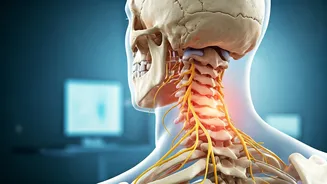
While typical neck strain from extensive computer or smartphone engagement typically resolves with rest, persistent discomfort, especially when coupled with peculiar sensations like tingling in the fingers, suggests a more significant underlying issue. According to Dr. Ashish Dagar, a Consultant in Spine Surgery, cervical spine damage affects nerves, leading to symptoms that extend beyond localized muscle soreness. Since the cervical spine serves as the crucial link between the brain and the upper extremities, even minor impairments can interfere with nerve signal transmission, manifesting as symptoms that radiate far from the neck itself. This distinction is vital for recognizing when neck pain warrants more than just a passive approach to recovery.
Urgent Red Flags
When nerves in the cervical spine are compromised, the body’s signals are usually unmistakable. Recognizing these critical warning signs early is paramount. A primary indicator is pain that travels from the neck down into the shoulders and arms, often described as a sharp, burning sensation. Many individuals also experience a persistent feeling of “pins and needles” or numbness in their fingers, which strongly suggests a nerve is under pressure. Dr. Dagar emphasizes that symptoms such as tingling, numbness, or noticeable weakness in the fingers should never be disregarded, as they point to nerve compression. Furthermore, a decline in hand strength, making it difficult to grip objects, drop things frequently, or struggle with lifting the arm, could signal nerve involvement rather than mere muscle fatigue. Observing if neck movements either exacerbate or alleviate the pain, such as worsening pain when looking up or finding relief when placing a hand on the head, also provides valuable clues. Persistent neck stiffness that doesn't improve with rest is another significant symptom indicating a potential underlying problem beyond simple muscle tension.
Pathways to Recovery
The primary objective when addressing cervical spine issues is to alleviate pressure on the affected nerves and restore normal function. For the majority of patients, conservative, non-surgical treatments form the initial line of defense. Physiotherapy plays a pivotal role, focusing on targeted exercises designed to fortify neck muscles and improve spinal alignment. These therapeutic interventions aim to promote healing and reduce strain on the affected structures. However, when conservative methods prove insufficient in relieving nerve compression, surgical options may be considered. Dr. Dagar highlights that the decision for surgery is contingent upon the degree of nerve compression and the patient's overall health status, but underscores that prompt intervention consistently yields superior long-term outcomes. Early diagnosis and treatment are therefore key to preventing further complications and achieving the best possible recovery.
Daily Spine Protection
Fortunately, adopting a few conscious habits can significantly safeguard your cervical spine, particularly in our technology-driven lifestyles. Foremost among these is maintaining impeccable posture, which involves positioning screens at eye level to keep the neck in a neutral alignment and avoiding excessive forward tilting. An ergonomically designed workspace can substantially mitigate the risk of cervical issues. Equally important is the practice of taking frequent breaks from digital devices; even short pauses every 30-40 minutes can make a substantial difference. Limiting the excessive use of smartphones is especially crucial to prevent undue pressure on spinal discs. Dr. Dagar advises that small, consistent modifications to daily routines can dramatically reduce the likelihood of nerve compression and long-term spinal damage. Remember, these preventative measures are for general guidance and should not substitute professional medical advice. Always consult a healthcare provider before altering any fitness routines or making significant lifestyle changes.