








Gut Health and Brain Link
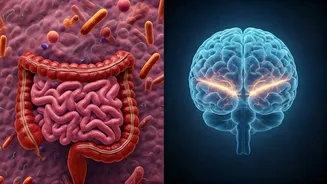
Emerging scientific insights are illuminating a profound connection between the health of our digestive system and the well-being of our brain, particularly
concerning neurological conditions like Parkinson's disease. It's becoming increasingly clear that the intricate network of microorganisms residing within our gut, known as the microbiome, plays a significant role in this gut-brain axis. Researchers are now exploring how alterations in this microbial community and common gastrointestinal disturbances might serve as precursors to Parkinson's, appearing years before the hallmark motor symptoms such as tremors, rigidity, and slowness of movement become apparent. This paradigm shift in understanding opens up exciting possibilities for developing novel methods of early diagnosis, potentially identifying individuals at risk much sooner than previously thought possible. Furthermore, it suggests that therapeutic interventions aimed at modulating the gut environment could offer a promising approach to mitigate the onset or slow the progression of this debilitating disease. The focus is shifting towards identifying specific biomarkers within the gut that can accurately flag individuals predisposed to Parkinson's, allowing for timely preventative measures and support.
Microbial Signatures Revealed
Groundbreaking research has identified distinct patterns in gut bacteria that can serve as an early indicator of Parkinson's disease, appearing years before motor symptoms like tremors and stiffness manifest. A significant study conducted by University College London (UCL) researchers revealed that individuals diagnosed with Parkinson's disease exhibit specific microbial compositions in their gut. Remarkably, these same microbial profiles were also observed in healthy individuals who carry genetic predispositions for Parkinson's disease, specifically the GBA1 gene variant. This finding, published in Nature Medicine, is a pivotal step in understanding the disease's origins and progression. The study's lead investigator, Professor Anthony Schapira from UCL Queen Square Institute of Neurology, emphasized the urgent need for early detection methods to develop treatments that can halt or slow Parkinson's progression. He noted that the observed gut microbial differences strengthen the evidence linking brain disorders with gut health, suggesting that gut microbes can indeed signal Parkinson's risk years in advance.
Unpacking the Microbiome Data
To delve deeper into the relationship between the gut microbiome and Parkinson's risk, UCL researchers collaborated with INRAE in France, employing a sophisticated new analytical method. They meticulously examined clinical and fecal data from participants across the UK and Italy. The study cohort comprised 271 individuals with diagnosed Parkinson's disease, 43 individuals carrying the GBA1 gene variant (a known risk factor that can elevate Parkinson's risk by up to 30-fold) but showing no clinical symptoms, and 150 healthy individuals serving as a control group. The findings were highly compelling: over a quarter of the gut microbes analyzed, specifically 176 different species, showed significant variations in abundance between Parkinson's patients and the healthy control group. Intriguingly, certain microbial species were more prevalent in those with Parkinson's, while others were common in healthy individuals. Even more significant was the observation that approximately 142 species were present at differing levels when comparing healthy individuals to those with the GBA1 gene variant, even in the absence of any Parkinson's symptoms. This suggests that genetic predisposition can influence the gut microbiome composition long before any clinical manifestations appear.
Intermediate Patterns Identified
A key revelation from the research is the identification of an 'intermediate' gut microbiome pattern in individuals who possess a genetic predisposition for Parkinson's disease but have not yet developed any symptoms. This pattern appeared to bridge the microbial compositions observed in completely healthy individuals and those already diagnosed with Parkinson's. Professor Schapira highlighted the unprecedented nature of this finding, stating that for the first time, specific gut bacteria have been identified in Parkinson's patients that are also present in individuals with a genetic risk for the disease, even before they exhibit symptoms. Furthermore, these microbial alterations can be found in a small segment of the general population, potentially signaling an elevated risk for Parkinson's. This discovery not only opens avenues for using these bacteria as indicators for identifying at-risk individuals but also suggests the possibility of reducing Parkinson's risk by modulating the bacterial population through interventions like dietary changes or specific medications. These findings were further validated by comparing them with data from additional cohorts in the UK, Korea, and Turkey, involving 638 Parkinson's patients and 319 healthy controls, reinforcing the robustness of the gut microbiome analysis for risk assessment.