





Chia Seeds Powerhouse
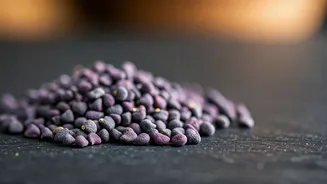
Kickstart your fiber journey with chia seeds, a remarkable tiny seed packed with nutrients. Just two tablespoons of chia seeds can deliver an impressive
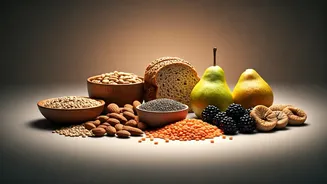
10 grams of dietary fiber. This easily incorporates into smoothies, yogurts, or as a pudding base, offering a significant boost without altering meal flavors drastically. Their soluble fiber content also contributes to feeling fuller for longer and aids in maintaining stable blood sugar levels. Incorporating chia seeds is a simple yet effective way to meet daily fiber recommendations and support a healthy digestive system, all while being a good source of omega-3 fatty acids and antioxidants.
Flax Seeds Benefits
Another potent seed to consider for your fiber intake is flax seeds. Dr. Sethi highlights that a mere two tablespoons of flax seeds can provide approximately 5 to 6 grams of fiber. Similar to chia seeds, flax seeds can be ground and added to various dishes or beverages. They are a fantastic source of both soluble and insoluble fiber, which work together to promote regular bowel movements and prevent constipation. Furthermore, flax seeds contribute lignans, which possess antioxidant properties, and offer a good source of alpha-linolenic acid (ALA), a plant-based omega-3 fatty acid, making them a versatile addition to a balanced diet aimed at enhancing overall health.
Lentils for Digestion
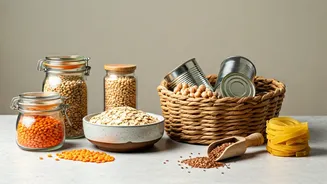
Legumes, particularly lentils, stand out as exceptional sources of fiber and protein. According to the expert, half a cup of cooked lentils offers a substantial 8 grams of fiber. This makes them an incredibly filling and nutritious option for meals. Lentils are incredibly versatile, finding their way into soups, stews, curries, and salads. Their high fiber content is crucial for maintaining a healthy digestive tract, aiding in the prevention of constipation, and contributing to a feeling of fullness that can support weight management efforts. They also play a role in regulating blood sugar levels, making them a beneficial choice for those managing diabetes.
Chickpea Fiber Boost
Chickpeas, also known as chana, are a staple in many cuisines and a fantastic source of dietary fiber. The gastroenterologist notes that consuming half a cup of cooked chickpeas can provide about 6 grams of fiber. These versatile legumes can be enjoyed in numerous ways, from hummus and falafel to being added whole to salads and stews. The fiber in chickpeas supports gut health by feeding beneficial bacteria and promoting regular bowel movements. Additionally, their protein content, combined with fiber, makes them a satisfying food that can help curb appetite and contribute to a balanced nutritional intake, supporting overall metabolic health.
Raspberry Fiber Rich
When it comes to fruits, berries are fiber champions, and raspberries are no exception. A cup of raspberries generously offers around 8 grams of fiber. These delightful berries are not only a treat for the taste buds but also a nutritional powerhouse. Their fiber content aids digestion and helps manage blood sugar spikes. Raspberries also boast a high antioxidant profile, thanks to compounds like anthocyanins, which give them their vibrant red color. Enjoying them fresh, in smoothies, or as a topping for yogurt or oatmeal provides a delicious and healthy way to increase your fiber consumption.
Blackberry Fiber Content
Continuing with the berry theme, blackberries are another excellent fruit choice for boosting your fiber intake. Dr. Sethi points out that a cup of blackberries typically contains about 7.5 grams of fiber. Like raspberries, blackberries are packed with essential nutrients, including vitamin C and antioxidants, alongside their significant fiber contribution. They are known for their ability to support digestive regularity and contribute to a feeling of satiety. Incorporating blackberries into your diet can be as simple as adding them to your breakfast cereal, enjoying them as a snack, or blending them into refreshing beverages.
Pear With Skin
Don't underestimate the humble pear when seeking fiber! The health expert specifically recommends eating pears with their skin on to maximize fiber intake. A medium-sized pear, consumed with its skin, can yield between 5 to 6 grams of fiber. The skin contains a significant portion of the fruit's total fiber content, particularly insoluble fiber, which is vital for promoting bowel regularity. Pears also provide a good source of hydration and beneficial plant compounds. Enjoying a pear as a whole fruit snack offers a naturally sweet and satisfying way to meet your daily fiber goals and benefit from its unique nutritional profile.
Oats for Gut Health
Oats are a breakfast classic renowned for their health benefits, especially their fiber content. Dr. Sethi specifically advises opting for steel-cut or rolled oats for the best fiber experience. Half a cup of dry oats contains approximately 5 grams of fiber. Oats are particularly rich in a soluble fiber called beta-glucan, which is well-known for its ability to help lower cholesterol levels and stabilize blood sugar. They are a comforting and filling start to the day, promoting digestive health and sustained energy release. Preparing them as oatmeal or adding them to baked goods ensures a consistent fiber boost.
Quinoa Fiber Advantage
Quinoa, often referred to as a 'superfood,' is a complete protein and a valuable source of dietary fiber. According to the expert, one cup of cooked quinoa provides around 5 grams of fiber. This pseudocereal is not only nutritious but also incredibly versatile in the kitchen, serving as a base for salads, a side dish, or an alternative to rice. The fiber content in quinoa contributes to digestive health and helps in feeling full, which can aid in appetite management. Its inclusion in meals supports a balanced diet by offering complex carbohydrates, essential minerals, and plant-based protein alongside its fiber benefits.
Black Beans for Fiber
Rounding off this list are black beans, another legume that offers significant dietary fiber. Dr. Sethi shares that half a cup of cooked black beans provides an impressive 7.5 grams of fiber. These dark, nutrient-dense beans are a staple in many healthy diets, celebrated for their versatility in dishes like chili, tacos, salads, and dips. Their high fiber content is crucial for supporting a healthy gut microbiome, promoting regular digestion, and contributing to a sustained release of energy. Paired with their protein and antioxidant content, black beans are an outstanding choice for enhancing both dietary fiber intake and overall nutritional value.