





Mastering Kitchen Basics
At the heart of any successful meal lies a solid grasp of kitchen fundamentals. This section provides a look into essential techniques like knife skills,
which are crucial for consistent chopping and slicing. Knowing how to properly use a knife not only enhances your efficiency but also improves the final presentation of your dishes. Beyond knives, we'll delve into the art of sautéing, a versatile technique used to quickly cook vegetables and proteins over medium-high heat. Mastering sautéing requires understanding the importance of heat control, as well as knowing when to add ingredients to achieve optimal browning and flavor development. Finally, we'll discuss the significance of mise en place, which means 'everything in its place'. This involves prepping all your ingredients before you start cooking, ensuring a smooth and organized cooking process, which is essential to avoid mistakes.
Ingredient Selection Matters
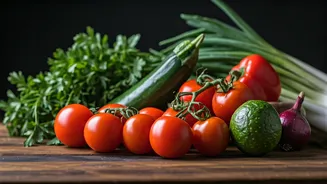
The quality of your ingredients significantly impacts the final outcome of your dishes. This section explains how to source the freshest produce, meats, and other components. Understanding seasonal availability is crucial for both flavor and cost-effectiveness. In India, for instance, certain vegetables and fruits are best enjoyed during specific times of the year, bringing out their peak flavors and nutritional value. Additionally, we’ll talk about how to select high-quality meats, including paying attention to color, marbling, and freshness. When buying seafood, factors like smell and texture are essential indicators. Beyond the ingredients themselves, consider where you shop. Visiting local markets can provide access to fresh, seasonal items and support local farmers and producers.
Balancing Flavors & Spices
Creating delicious food is about balancing flavors. This section focuses on essential flavor profiles, including sweet, sour, salty, bitter, and umami. It also focuses on how each one contributes to overall taste. Learn how to combine different elements to create harmony on your plate. Spices and herbs are also essential for elevating flavors, with many Indian dishes relying heavily on a blend of different spices. Understanding the flavor characteristics of various spices is crucial. Using spices at the correct stage of cooking is important. In the beginning, to release their aromatic compounds, or towards the end to maintain their delicate flavor. This section also explores different cooking methods and how they affect flavors. Grilling adds a smoky taste, while braising creates tender, flavorful results.
Essential Cooking Techniques
Now it's time to dive into different cooking techniques, making sure that your food always turns out great. This section covers a range of methods, from frying to baking. Frying involves cooking food in hot oil, which can produce crispy textures. Different types of frying, such as deep-frying and pan-frying, each impact the end result. Baking, another versatile method, involves cooking food in the oven. It's often used for bread, pastries, and roasted vegetables. Understanding the oven settings and how they impact results is essential. Grilling adds a smoky, charred flavor, while steaming is a healthier way to cook. The choice of technique depends on the ingredients, the desired outcome, and your personal preferences. The proper combination of methods can enhance the taste of any dish.
Meal Planning & Prep
Organizing your meal preparation is one of the most effective ways to make cooking easier. This section provides guidelines on effective meal planning. Start by creating a weekly menu. Decide what you want to eat for each meal, taking into consideration different dietary preferences and the availability of ingredients. Then, create a shopping list based on the planned menu, to avoid unnecessary purchases. Food preparation often starts with mise en place, which involves chopping vegetables, measuring spices, and preparing other ingredients before you begin cooking. This reduces stress and helps you cook more efficiently. Preparing ingredients in advance saves time during the week. Consider batch cooking, where you cook large quantities of food and freeze portions. Planning helps you cook delicious meals with less effort.
Plating, Presentation and Garnishing
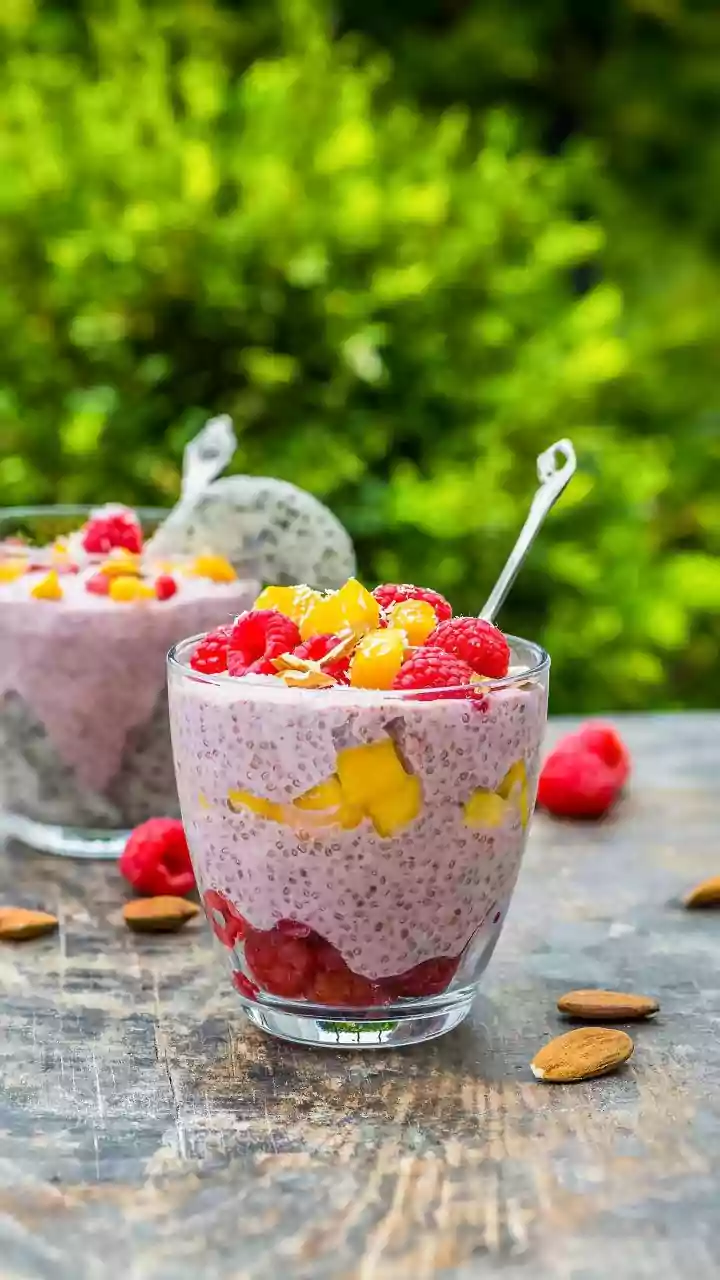
Presentation can turn a simple dish into an art form. This section explores the art of plating and presentation techniques. The visual appeal of your food influences your dining experience. Start by considering the colors and textures of the food on your plate, ensuring they complement each other. Use contrasting colors to create visual interest and use a variety of textures for a balanced look. Garnishes can add flavor and beauty. Simple garnishes like fresh herbs, a drizzle of olive oil, or a sprinkle of paprika can significantly enhance the appearance of your dishes. Moreover, understand how to use plates and serving dishes. Choose plates that complement the food you're serving and reflect the overall style of the meal. Practicing plating and presentation techniques over time will enhance your culinary skill.