



Embrace Duplicates
One of the foundational principles of a minimalist lifestyle is streamlining your possessions, and a primary target for this is eliminating redundant items.
Experts emphasize that having multiple of the same thing, whether it's kitchen tools, personal care products, linens, or cleaning supplies, is often unnecessary. The consensus is that one functional item usually suffices for most needs. Instead of stocking up, minimalists advocate for purchasing items only when they are truly needed. This approach not only curtails the accumulation of physical clutter but also promotes more mindful spending, preventing your home from becoming an overstocked storage unit. The philosophy here is simple: buy what you need, when you need it, and keep only what truly serves a purpose.
Rehome Your Books
While a well-organized bookshelf might seem aesthetically pleasing, minimalists frequently find that a significant portion of their book collection becomes a prime candidate for decluttering. This isn't to say all books must go, but rather those that are unlikely to be re-read or are merely intended for future reading. Instead of letting these 'someday' books gather dust, many embrace their local libraries as a rich and sustainable source of reading material. This strategy not only frees up valuable space but also encourages a more active engagement with literature, allowing individuals to explore a wider range of titles without the burden of ownership and storage. The emphasis shifts from accumulating to experiencing.
Pare Down Decor
When it comes to beautifying your living space, it's easy to fall into the trap of acquiring more decorative items than necessary. Minimalist practitioners advise a critical evaluation of your existing decor, questioning whether the impulse to buy new items stems from a genuine need or a habit of accumulation. The preference is for a home that feels open and uncluttered, offering a sense of calm and breathing room. By significantly reducing excess trinkets and decorative objects, one not only mitigates visual noise but also simplifies the process of cleaning and maintaining the home, creating a more serene and manageable environment.
Discard Expired Goods
Life's demands can easily lead to an overlooked collection of expired products scattered throughout the home, from pantry spices to cosmetic collections. Minimalists prioritize regular decluttering sessions to ensure their living spaces remain functional and simplified. These expired items are prime candidates for disposal because their lack of use before expiration indicates they weren't essential. Removing them not only maintains functionality but also significantly reduces visual clutter, particularly in areas like bathrooms where expired makeup and skincare can create a disorganized appearance. Discarding these items also prevents the unintended application of outdated products, promoting well-being.
Tackle Paper Clutter
For those who work from home or manage household affairs, paper can quickly become a source of significant disarray. Receipts, important documents, bills, and instruction manuals can form overwhelming piles. A key strategy employed by minimalists to combat this is a conscious effort to go paperless whenever possible. Many manuals and documents are now readily available online, negating the need for physical copies. Any old receipts or obsolete paperwork that doesn't serve a current or future essential purpose is either discarded or digitized for record-keeping, thereby freeing up space and reducing the mental load associated with managing paper.
Sort Old Apparel
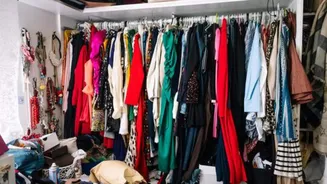
Closets can often become a repository for clothing that no longer serves its purpose. Minimalists advocate for a thorough and regular decluttering of apparel, focusing on items that no longer fit, are rarely worn, or have fallen out of personal style. The principle is to maintain a wardrobe composed of pieces that make the wearer feel good and confident. Holding onto clothes that don't meet these criteria not only occupies valuable closet space but can also be a source of negative self-perception. This thoughtful curation ensures that your clothing collection is functional, flattering, and aligned with your current lifestyle.
Release Unfinished Projects
Many individuals find themselves with shelves or containers filled with remnants of past hobbies and creative endeavors that have long since been abandoned. Minimalists typically choose to clear out these unused craft supplies and materials. The philosophy behind this is to avoid holding onto items that represent a past self or unfinished business. Instead, the focus is on living in the present and cherishing items that reflect current interests and active pursuits. Keeping unfinished projects can serve as a persistent reminder of what hasn't been completed, detracting from the enjoyment of current activities and occupying valuable space.