






Chain Cleaning Caution
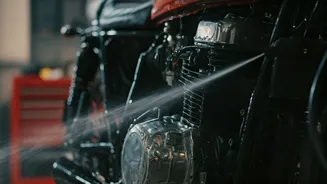
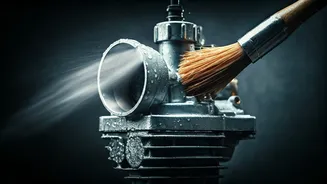
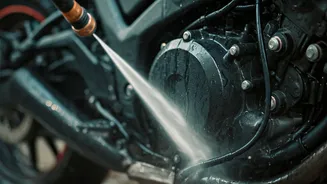
While a thorough clean is tempting, never aim a high-pressure jet directly at your motorcycle's chain. This forceful spray can dislodge vital lubricants
and drive water deep into the chain's intricate workings. The consequence? Accelerated wear, increased rust formation, and a chain that becomes noisy and less efficient. Auto experts universally advise against this practice. Instead, opt for a specialized brush to agitate dirt and grime, followed by meticulous drying and the application of appropriate chain lubricant. This gentle approach preserves the chain's integrity and ensures a longer lifespan, preventing those irritating squeaks and the eventual need for premature replacement.
Electrical Systems Vulnerability
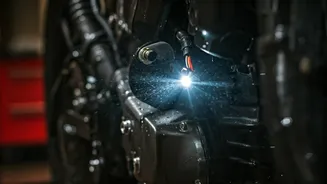
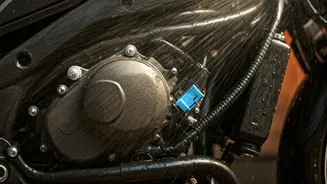
Modern motorcycles are sophisticated machines packed with electronics, making them particularly susceptible to high-pressure water. Components like wiring harnesses, sensors, fuse boxes, and the battery are not designed to withstand direct forceful jets. When water penetrates these sensitive areas, it can lead to short circuits, erratic sensor readings, and eventual electrical failures. This is a common and often overlooked mistake that can result in complex and expensive diagnostic and repair work. Always use a low-pressure rinse or a damp cloth when cleaning around these critical areas to safeguard your bike's intricate electrical network.
Wheel Bearings at Risk
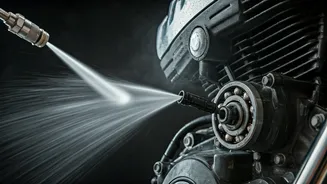
Wheel bearings, though typically sealed, are not impervious to the relentless force of a pressure washer. Over time, persistent high-pressure spray can compromise these seals, allowing moisture to seep into the bearing assembly. Once water enters, it contaminates the lubricant, leading to corrosion and premature wear. This often manifests as unusual noises during riding or a noticeable degradation in wheel movement and handling. Mechanics frequently encounter bearing failures in motorcycles that have been subjected to aggressive pressure washing near the wheel hubs and axles. Protecting these components requires a gentle cleaning method that avoids direct water impact.
Exhaust Tip Sensitivity
The exhaust system, particularly the tip, should be treated with care. Directing a high-pressure water jet into the exhaust opening can force moisture deep into the silencer. If this water fails to evaporate completely, it can contribute to internal rust formation within the exhaust components, potentially altering the bike's characteristic sound over time. Instead of blasting water into the exhaust, it's far more effective and safer to use a soft cloth to wipe down the exterior of the exhaust tip and surrounding areas, ensuring no internal parts are compromised by excessive moisture.
Dashboard Protection
The motorcycle's dashboard, often housing digital displays and sensitive switchgear, is another area that demands a gentle approach. Strong jets of water can easily damage delicate buttons, cause condensation to fog up screens, or even interfere with the functionality of touch-sensitive controls found on many newer models. A careless blast of water here can lead to expensive repairs for the instrument cluster or switchgear. Therefore, it's essential to use a soft cloth and mild cleaning solutions when attending to the dashboard and surrounding controls, ensuring their longevity and precise operation.