



Childhood Roots of Taste
At 50, Rajeev Khandelwal, known for his roles, candidly shared his lifelong disconnect with fast food. He explained that it's not a matter of willpower
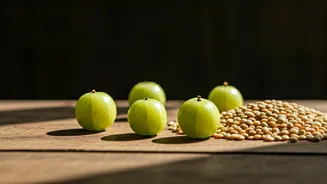
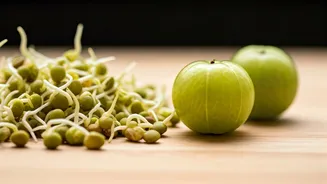
or strict control, but rather a genuine lack of appeal. His taste buds simply never developed a fondness for junk food, making the decision to avoid it effortless. This natural inclination is deeply rooted in his upbringing, where as an army child, a diet emphasizing simple, nutritious foods was consistently promoted at home. He vividly recalls his mother feeding him sprouted lentils and amla from a young age, a practice he now understands was instrumental in building a strong foundation for his health. Khandelwal emphasized that his fitness isn't solely a professional requirement for acting; it's a personal preference born from these early habits. He fondly remembers the simple act of plucking and eating fresh fruits, like the amlas he consumed daily, and now cultivates 33 varieties of food at his home in Goa, demonstrating a continued commitment to natural, wholesome ingredients and a deep appreciation for his early dietary influences.
From Simple Diet to Adult Choices
Rajeev Khandelwal, a vegetarian by background, acknowledged a shift in his eating habits after moving to Mumbai, driven by the perceived need for protein to build muscle. However, his dietary choices remain grounded in simplicity. He shared that marrying a Maharashtrian woman, whose family enjoys fish, led him to incorporate it into his diet, though not in excessive amounts. His ultimate comfort meal consists of moong dal, gobhi ki sabzi (cauliflower curry), and bajra or a similar whole-grain roti – a combination that mirrors his childhood preferences and excludes meats like chicken or mutton. This enduring fondness for wholesome, home-cooked meals highlights how early dietary patterns can shape adult eating preferences and contribute to sustained well-being, even when adapting to new environments or influences. His current preference for homegrown produce further underscores this commitment to natural, unprocessed foods.
Childhood Habits' Lasting Impact
Dietitian Amreen Sheikh of KIMS Hospitals, Thane, corroborates the profound influence of childhood eating habits on long-term health. She elaborates that nutrient-dense foods like sprouted dals and amla, rich in antioxidants, fiber, and essential vitamins, foster better digestion, robust immunity, and consistent energy levels in children. These early nutritional choices translate into significant adult health benefits, including improved metabolism, enhanced gut health, and a reduced risk of lifestyle-related diseases. Sheikh points out that while children may not perceive these foods as directly contributing to 'fitness,' these consistent, simple habits lay a crucial groundwork for future health. Traditional foods, often balanced, seasonal, and minimally processed, offer sustained energy and vital nutrients without the detrimental effects of excess sugar or unhealthy fats found in highly processed alternatives. This approach supports weight management, boosts immunity, and promotes lasting cardiovascular health, proving that what seems basic in youth can be the most sustainable path to lifelong wellness.
Reclaiming Healthy Routines
The principle of returning to basics is highlighted as a powerful strategy for enhancing well-being. Practical steps include integrating sprouts, seasonal fruits like amla, and prioritizing home-cooked meals with regular eating schedules. Sheikh emphasizes that consistency in these habits, alongside adequate hydration and a conscious effort to limit packaged foods, often yields more sustainable results than adhering to restrictive fad diets. These familiar, simple practices are inherently more manageable and effective in the long run. The overarching message is that true fitness often originates not in the gym, but in the kitchen, through small, consistent daily choices that cumulatively contribute to enduring health over many years. This approach underscores the power of foundational, everyday habits in building a resilient and healthy lifestyle.