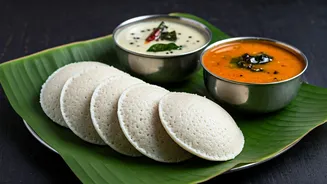

Idli: The Classic
Idli, a South Indian staple, holds a special place in the hearts of many. These fluffy, steamed rice cakes are a powerhouse of carbohydrates and are easily
digestible. Preparing idli involves fermenting a batter of rice and lentils, a process that enhances its nutritional value. The fermentation process increases the bioavailability of nutrients, making it easier for your body to absorb them. Typically served with sambar (a lentil-based vegetable stew) and coconut chutney, idli offers a complete and balanced breakfast. The steaming method ensures that it retains its nutrients, making it a healthy choice for all age groups. You can enjoy idli plain or incorporate variations like rava idli for a different texture and taste.
Dhokla: Gujarati Delight
Dhokla, a beloved Gujarati snack, is a steamed cake made from fermented batter, often composed of chickpea flour (besan). This fermentation process contributes to its lightness and fluffy texture. Dhokla is not only delicious but also a source of protein and fiber. Its preparation involves steaming the batter until it rises and sets, then it's typically tempered with mustard seeds, green chilies, and curry leaves for added flavor. This delightful snack is often served with a sweet and tangy chutney, making it a perfect balance of flavors. The steaming method ensures that Dhokla retains its nutrients and reduces the oil content, making it a healthier alternative to fried snacks. You can find variations like khatta dhokla or rava dhokla, offering diverse taste profiles.
Puttu: Kerala's Pride
Puttu, a traditional breakfast from Kerala, is a steamed cylinder-shaped dish made from rice flour and grated coconut. The preparation involves layering rice flour with coconut in a puttu maker and then steaming it. The coconut adds moisture and a subtle sweetness to the dish, while the rice flour provides the necessary carbohydrates. Puttu is often paired with kadala curry (black chickpea curry) or sweetened with jaggery and served with banana. This combination offers a balanced meal with a good source of fiber, protein, and essential nutrients. Puttu is not just a dish; it's a cultural symbol in Kerala, representing warmth and hospitality. The steaming method retains the nutrients, making it a healthy and filling breakfast choice.
Khaman: Another Gujarati Gem
Khaman, another popular Gujarati snack, shares similarities with Dhokla but has its unique preparation. It is also made from fermented gram flour (besan) batter, but the texture is slightly different. The batter is steamed until it becomes light and spongy. Khaman is known for its vibrant yellow color, which comes from the use of turmeric. It is typically tempered with mustard seeds, green chilies, and curry leaves. Often garnished with coriander leaves and served with chutney, Khaman is a tasty and light breakfast option. The steaming method ensures the dish is relatively low in oil, making it a healthier choice. Khaman provides a good source of carbohydrates and protein, making it an excellent energy booster for the day. Its versatility makes it a favorite across all age groups.
Modak: Maharashtrian Sweet Treat
Modak, a sweet dumpling, is particularly popular in Maharashtra, especially during the festival of Ganesh Chaturthi. These are steamed, and the outer shell is typically made from rice flour, while the filling consists of grated coconut and jaggery. Steaming ensures the modaks retain their shape and flavors, creating a soft and chewy texture. The coconut and jaggery filling adds a natural sweetness and provides essential nutrients. Modaks are not only delicious but also hold cultural significance as they are offered to Lord Ganesha. This makes them a celebratory and cherished breakfast or snack. You can also find variations that include khoya or dry fruit fillings, offering a diverse culinary experience.
Idiyappam: String Hoppers
Idiyappam, also known as string hoppers, is a popular breakfast in South India, especially in Kerala and Tamil Nadu. They are made from rice flour, which is pressed into thin noodles and then steamed. These delicate, lacy strands are light and easy to digest, and offer a unique texture. Idiyappam is usually served with vegetable stew, egg curry, or coconut milk, providing a balanced and flavorful meal. The steaming process ensures that it remains light and airy, making it a favorite for those seeking a light breakfast. It's a quick and easy-to-prepare option, perfect for busy mornings. The simplicity of idiyappam makes it versatile; it pairs well with both savory and sweet accompaniments.
Appam: Kerala's Pancake
Appam, a pancake-like dish from Kerala, is made from fermented rice batter. It has a soft, spongy center and a crispy, thin edge, achieved through a unique cooking method in a special pan. Appams are often steamed or cooked with a little oil. They are often served with vegetable stew, egg roast, or chicken curry. The fermentation process adds a subtle tang and enhances the nutritional value of the rice. Appams provide a good source of carbohydrates and are relatively light, making them a good option for people who prefer a lighter breakfast. The crispy edges and soft centers provide a delightful textural contrast. Appams are a versatile dish, adaptable to various dietary preferences.
Momos: Himalayan Delights
Momos, although originally from Tibet, have become extremely popular throughout India. These steamed dumplings typically contain a filling of minced meat, vegetables, or cheese, wrapped in a dough made from wheat flour or all-purpose flour. The steaming method ensures that the momos remain juicy and retain their flavors. Served with a spicy chutney, they offer a burst of flavors and textures. Momos are a hearty breakfast choice, providing a good source of protein and carbohydrates. They are readily available in many regions of India, making them a convenient and satisfying breakfast option. Variations exist with different fillings, allowing for customization to suit different tastes.
Uttapam: South Indian Pancake
Uttapam, another South Indian breakfast item, is a thick pancake made from fermented rice and lentil batter. It's similar to dosa batter but thicker and cooked in a pan with a little oil. Uttapams are often topped with onions, tomatoes, chilies, or other vegetables, adding flavor and texture. This makes it a wholesome breakfast option, rich in fiber and essential nutrients. They are typically served with sambar and chutney, offering a complete meal. Uttapams are easy to customize, making it possible to cater to individual preferences. The fermentation process makes the dish easier to digest. The variety of toppings adds to the appeal, making it a versatile and delicious breakfast option.
Poha: Flattened Rice
Poha, a popular breakfast dish across India, is made from flattened rice (beaten rice). It is lightly steamed or cooked with vegetables and spices. The flattened rice absorbs the flavors, resulting in a savory and satisfying breakfast. Poha is a quick and easy-to-prepare meal, making it ideal for busy mornings. It is usually seasoned with mustard seeds, curry leaves, onions, and spices, which makes the dish aromatic and flavorful. Garnished with coriander leaves and a squeeze of lemon juice, Poha is a light, easily digestible, and nutritious breakfast option. It is versatile and can be made in various ways, catering to different regional tastes.