




The Advent of Rice Paper
Not so long ago, rice paper sheets were primarily recognized through international culinary shows or restaurant menus, representing an exotic culinary element
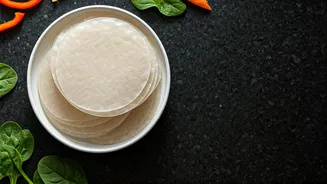
for many Indians. Today, this ingredient has undergone a remarkable transformation, becoming a commonplace item readily available alongside traditional staples like atta and sooji in home pantries across urban India. Initially, its visual resemblance to the crisp Indian papad might lead one to believe they share similar preparation methods, but this comparison quickly dissolves upon closer inspection. Unlike papad, rice paper requires no roasting, frying, or microwaving. Its true magic unfolds with a simple, brief immersion in water, a process that miraculously softens the sheets, rendering them pliable and imbuing them with a uniquely silky, slightly slippery texture, ready to embrace a myriad of fillings.
A Culinary Chameleon
The versatility of rice paper has unlocked a wave of creative culinary applications within Indian households, extending far beyond its traditional Vietnamese summer roll origin. The immediate appeal of these rolls lies in their refreshing nature, low-calorie profile, and the delightful combination with accompaniments like soy, peanuts, and chilli oil. However, Indians have ingeniously adopted rice paper for an array of dishes, including crispy air-fried snacks, homemade dumplings, and even reimagined versions of beloved street food like gol gappa. The ease of preparation—a quick dip in water followed by filling—makes it an attractive option for busy home cooks. This adaptability, coupled with its naturally gluten-free and low-fat composition, positions rice paper as a smart choice for those seeking healthier alternatives to traditional fried snacks, although its nutritional profile benefits from being paired with nutrient-rich fillings.
Driving Factors: Trends and Accessibility
The surge in rice paper's popularity across Indian kitchens is a confluence of several significant societal and market shifts. A primary driver is the escalating consumer interest in health and wellness. As health and nutrition influencers continuously educate the public on calorie consciousness and the benefits of nutrient-dense foods, people are actively seeking lighter, healthier snack and meal options. Rice paper, being primarily composed of tapioca starch, water, and salt, naturally fits this demand due to its low-calorie and gluten-free properties. Furthermore, the ingredient's accessibility has dramatically improved; once a specialty item costing upwards of ₹300–350, a pack can now be purchased for as little as ₹99 from local grocery stores and online delivery platforms in major cities like Delhi, Mumbai, and Bengaluru. This increased availability and affordability, mirroring the trend seen with Korean ramen imports, has democratized its use, making it a common pantry item.
Social Media's Culinary Canvas
The pervasive influence of social media, particularly platforms like Instagram, has played a pivotal role in introducing and popularizing rice paper in Indian homes. For many, visually appealing content featuring translucent rolls brimming with colourful vegetables served as the initial introduction, sparking curiosity and a desire to recreate the dishes. Beyond the aesthetic allure, the ease of using rice paper as a wrapper, especially for preparations like dumplings, offers a convenient and perceived healthier alternative to traditional dough-making processes. This digital exposure, combined with a growing appreciation for global cuisines driven by increased travel and media consumption, has fostered an environment where experimenting with international ingredients has become aspirational yet accessible. Rice paper, once a symbol of foreign culinary traditions, is now a versatile canvas for Indian home cooks to express their creativity and embrace global flavours.