








Idli: The Classic
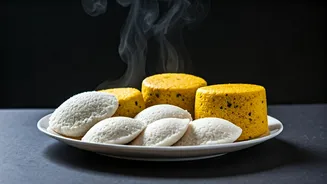
Idli, a steamed rice cake, stands as a quintessential South Indian breakfast staple. Crafted from a fermented batter of rice and urad dal (black lentils),
this dish is known for its light, fluffy texture and mild flavor. The fermentation process enhances the bioavailability of nutrients, making idli easily digestible. It's often served with sambar (a lentil-based vegetable stew) and chutney (a variety of sauces, typically coconut or tomato-based). Idli's simplicity, combined with its nutritional value (being a source of carbohydrates, protein, and fiber), renders it a favored choice across all age groups and a cultural symbol in the region. The steaming process also ensures the dish remains low in fat and retains maximum nutritional value. Its versatility is another plus; idli can be paired with diverse accompaniments catering to various taste preferences, showcasing the adaptability of Indian cuisine.
Dhokla: Gujarati Delight
Originating from Gujarat, Dhokla is a steamed savory cake made from fermented batter, often consisting of gram flour (besan). This fluffy, spongy snack is seasoned with spices and is known for its tangy, slightly sweet, and savory taste. The batter's fermentation imparts a light, airy texture to the dish, making it easy to digest. Dhokla is typically steamed and then tempered with mustard seeds, curry leaves, and sometimes green chilies, further enhancing its flavor profile. It's a popular choice for breakfast, snacks, and even as a light meal, often served with green chutney and a sprinkle of coriander leaves. The fermentation process increases the nutritional value and makes it a healthier option, appealing to people of all ages and dietary preferences. Its preparation demonstrates the innovative culinary techniques used across Indian cuisine, which are always looking at flavour and health benefits.
Puttu: Kerala's Pride
Puttu is a traditional breakfast from Kerala, made from steamed cylinders of ground rice flour and layered with grated coconut. It often comes along with Kadala curry (black chickpea curry) or ripe bananas, which provides a balance of savory and sweet flavors. The simplicity of its ingredients belies its rich taste and nutritional value. The rice flour used in puttu is typically coarsely ground, giving it a unique texture, and the steaming process ensures that the dish remains light and healthy. It's a quick and convenient breakfast option, popular across the region for its versatility and ease of preparation. The incorporation of coconut not only adds flavor but also provides healthy fats, making puttu a balanced and filling meal. Puttu perfectly exemplifies Kerala’s culinary heritage and is loved by many for its comforting and nutritious qualities, offering a taste of home for countless families.
Modak: Maharashtrian Treat
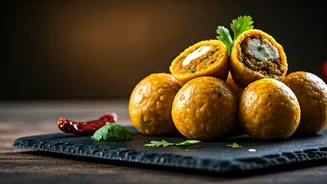
Modak, a sweet dumpling, holds a special place in Maharashtrian cuisine, often associated with the festival of Ganesh Chaturthi. Steamed modaks are traditionally made from rice flour and filled with a mixture of grated coconut, jaggery, and sometimes dry fruits. These sweet treats are known for their soft, chewy outer layer and sweet, flavorful filling. The steaming method ensures that the modaks retain their shape and texture, while also being a relatively healthy option compared to fried sweets. The use of natural sweeteners and fillings makes it a nutritious indulgence, enjoyed as breakfast or a festive treat. Modaks represent a fusion of culture, spirituality, and culinary skill, symbolizing prosperity and good fortune. They are a delightful example of how traditional recipes can be both flavorful and nourishing, making them a loved choice during celebrations and special occasions.
Khaman: Another Gujarati
Khaman, another beloved Gujarati snack, is a steamed, savory cake that's light and fluffy, similar to dhokla, but often made with a slightly different recipe and ingredients. Generally, it uses a batter of gram flour (besan) and is fermented for a soft texture, seasoned with a blend of spices. The fermentation gives Khaman its characteristic airy texture. The steamed cake is then typically tempered with mustard seeds, curry leaves, and chilies, and often garnished with coriander and grated coconut. Khaman is usually served with chutneys, offering a balance of flavors and textures. The steaming process contributes to its nutritional value and makes it a healthier snack option. Its easy preparation and appealing taste make it a popular choice for breakfast, and snacks, which is easy to find at various places.
Uttapam: South Indian Pancake
Uttapam is a South Indian pancake made from a fermented batter of rice and urad dal, similar to the idli batter. Unlike dosas, which are thin and crispy, uttapams are thicker, softer, and often cooked with various toppings like onions, tomatoes, chilies, or vegetables. The fermentation process enhances digestibility and nutritional value. The toppings add flavor and nutrients, making it a complete meal. Uttapam is steamed on a griddle, which can also be considered similar to a shallow steaming technique, contributing to its soft texture. It's usually served with sambar and chutney, providing a balanced and flavorful breakfast option. Uttapam's flexibility in terms of toppings and flavor profiles makes it a versatile choice, catering to different taste preferences, and making it an attractive meal across different regions.
Rice Noodles: Diverse Options
Steamed rice noodles offer an easy and versatile base for a nutritious breakfast. Across different regions, variations exist, but the common factor is their steamed preparation. Depending on the region, noodles are served with a range of accompaniments, from spiced vegetables and lentils to various gravies and chutneys. The steaming process keeps the noodles light, easily digestible, and less heavy than their fried counterparts. Rice noodles are adaptable to various regional flavors, representing a fusion of textures and tastes. Rice noodles can easily incorporate a good serving of vegetables and proteins, making them a nutritious breakfast option. Their simple preparation and widespread availability make them a convenient and practical choice, perfect for a quick yet satisfying morning meal, reflecting how India’s cuisine adapts and evolves.
Momos: Himalayan Influence
Momos, steamed dumplings, are a popular breakfast choice, especially in the Himalayan regions of India, but can be found across various parts of the country. These bite-sized delights are typically made with a dough wrapper filled with a mixture of vegetables, meat, or cheese. They are steamed to perfection, resulting in a juicy, flavorful filling and a tender outer layer. Served with spicy chutneys and dipping sauces, momos combine delightful textures and tastes. The steaming process helps preserve the nutrients of the filling. Momos present a culinary blend of culture and flavor, showing how dishes travel and adapt across different regions. Their rising popularity demonstrates their deliciousness and their appeal to a wide range of tastes and preferences, making them a satisfying and convenient breakfast or snack.
Poha: Flattened Rice
Poha, a breakfast staple in many parts of India, particularly Maharashtra, is made from flattened rice, that's steamed with onions, potatoes, spices, and often garnished with fresh coriander and sev. The flattened rice absorbs the flavors of the spices and vegetables, resulting in a savory and satisfying dish. Steaming the poha with the other ingredients ensures a soft and moist texture. It's often served with a squeeze of lemon juice, adding a tangy twist. Poha is quick to prepare, making it a practical choice for busy mornings, and is considered a healthy and balanced breakfast due to the use of vegetables and simple ingredients. Its widespread popularity illustrates the adaptability of Indian cuisine, making it a go-to breakfast for many families across different regions.
Appam: Kerala's Crepe
Appam, a popular breakfast dish from Kerala, is a thin, pancake-like crepe made from a fermented batter of rice and coconut milk. These are usually cooked in a special pan, which gives them a soft, fluffy center and crispy, lacy edges. The fermentation process gives appams a slightly tangy flavor and a light texture. They are typically served with various accompaniments, such as vegetable stew (stew with vegetables), or egg curry. Appam's unique texture and flavor make it a beloved breakfast option. Their versatility allows them to be enjoyed in many different ways, making it a favorite in the South Indian culinary landscape. The coconut milk in the batter adds a rich flavor and healthy fats, further enhancing the nutritional profile and making them both delicious and easy to prepare.