







The Melanin Reality
The pursuit of naturally pink lips, a common beauty ideal, often clashes with biological realities, particularly for individuals with Indian complexions.
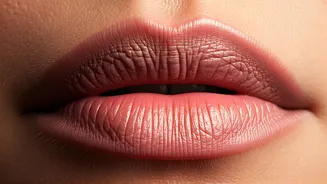
Dr. Aanchal Panth, an ex-AIIMS dermatologist, explains that the fundamental factor governing lip colour is melanin, the same pigment responsible for skin and hair colour. The level of melanin in one's lips is directly proportional to their overall skin tone. Therefore, for individuals with deeper or wheatish complexions, darker lips are not a deviation from the norm but rather a natural genetic outcome. The notion of having a darker skin tone alongside strikingly light pink lips is, from a biological standpoint, an unrealistic expectation. She emphasizes that for many Indian individuals, achieving perpetually pink lips is not genetically predetermined. This challenges the widely perpetuated beauty standard, which often overlooks inherent genetic predispositions. Understanding this genetic blueprint is the first step towards appreciating our natural features and debunking myths surrounding lip colour.
Daily Habits Darken Lips
While genetics lay the foundation for natural lip colour, several daily habits can progressively deepen pigmentation, making lips appear darker than their inherent shade. Dr. Panth identifies several common culprits that contribute to this acquired darkening. Frequent consumption of hot beverages, such as tea and coffee, can irritate and affect lip tissue, leading to increased pigmentation over time. Exposure to the sun, particularly without protection, can significantly darken the lips, with the lower lip often being more susceptible due to its direct exposure. Smoking is another potent factor that accelerates the darkening process, introducing chemicals that impact lip colour. Furthermore, a lack of consistent lip care or protection can leave the delicate skin on the lips vulnerable to environmental stressors, exacerbating pigmentation. It's crucial to understand that these habits don't alter your genetic lip colour but rather intensify its appearance, creating a darker hue than what was originally present.
Preventing Further Darkness
While one cannot fundamentally alter their natural lip colour, there are effective ways to prevent further darkening and maintain the existing shade. Dr. Aanchal Panth offers a practical approach, emphasizing that proactive care can make a difference. The most recommended preventive measure is the consistent use of lip balm containing SPF (Sun Protection Factor). This acts as a crucial shield against harmful UV radiation, which is a significant contributor to lip pigmentation, especially in exposed areas like the lower lip. Think of it as essential sunscreen for your lips, safeguarding them from sun damage. However, it's vital to manage expectations: these protective measures will not magically transform darker lips into pink ones. No amount of scrubbing, DIY remedies, or topical applications can change your intrinsic genetic pigmentation. The distinction between naturally dark lips and those that have darkened over time is key; while natural colour is immutable, acquired darkening may see some improvement with targeted dermatological interventions if desired.
Cosmetic Solutions
For individuals who are still desirous of achieving a pinker lip appearance, cosmetic interventions offer a viable, albeit temporary, solution. Dr. Aanchal Panth points to a popular procedure known as lip blushing, which essentially involves semi-permanent tattooing of a pink pigment onto the lips. This technique can effectively create the visual impression of pinker lips, providing a desired aesthetic outcome. The results of lip blushing typically last for one to two years, after which the pigment gradually fades and may require touch-ups. It's important to reiterate that this is a cosmetic enhancement and does not alter the underlying biology or genetic predisposition of one's lips. This trend underscores a broader societal pressure towards often unrealistic beauty standards, where the demand for 'naturally pink lips' disregards fundamental genetic and dermatological principles. The dermatologist stresses that darker lips are not a flaw but a natural characteristic for many, and embracing this diversity is paramount.