





The Comfort Craving
Contrary to what one might expect, culinary professionals frequently turn to humble, everyday meals when dining themselves. After dedicating their working
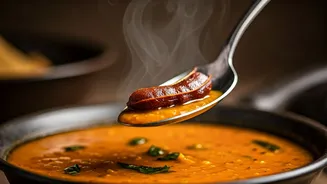
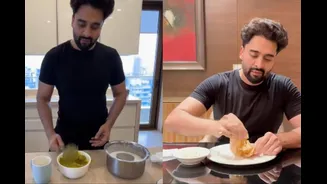
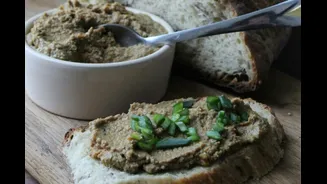
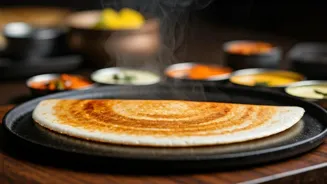
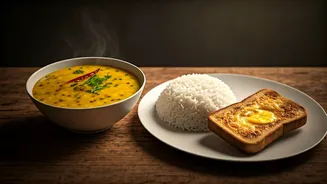
hours to crafting intricate dishes, experimenting with exotic ingredients, and engaging their palates with a constant stream of bold flavors, chefs often find themselves seeking a profound sense of comfort and familiarity. Dishes like dal chawal (lentils and rice), simple egg toast, or a basic bowl of noodles become the preferred choices. This isn't a reflection of their skill or a lack of appreciation for fine dining, but rather a deeply ingrained human need for grounding and relaxation after intense sensory and mental exertion. The act of preparing and consuming these uncomplicated meals offers a welcome respite, allowing their senses to rest and their minds to unwind from the pressures of the professional kitchen environment.
Sensory Overload Relief
Professional kitchens are environments of constant stimulation, demanding a high level of sensory engagement. Chefs are perpetually tasting, seasoning, and evaluating flavors, textures, and presentations, often leading to what can be described as sensory overload. As Chef Ranveer Brar explains, after such an intense day, the goal is not to further stimulate the senses but to calm them. Eating "dumbest and numbest" foods means opting for dishes that are predictable and require minimal cognitive effort to enjoy. This preference for simplicity allows chefs to detach from the high-stakes world of culinary innovation and reconnect with the fundamental purpose of food: nourishment. It's a conscious choice to avoid overwhelming an already fatigued palate and mind, prioritizing peace and recovery over complex gustatory experiences.
Emotional Grounding
Beyond the physiological need for sensory relief, simple, home-style meals offer significant emotional benefits for chefs. These dishes are often intrinsically linked to childhood memories, family, and a sense of security. For many, a bowl of dal with ghee or a simple omelette evokes feelings of home and emotional safety, acting as a powerful anchor in the demanding and often stressful world of professional cooking. Psychotherapist Delnna Rrajesh notes that such foods are emotionally regulating, providing a predictable and comforting experience that helps chefs transition from a state of constant performance to one of self-care. This connection to personal history and comfort allows them to nourish themselves not just physically, but also emotionally, fostering a sense of well-being and grounding.
The Redefinition of Luxury
The concept of 'luxury' in food takes on a different meaning for chefs. While guests might associate luxury with rare ingredients like foie gras or truffles, for chefs, true luxury often lies in balance, honesty, and the inherent quality of well-executed, simple dishes. A perfectly prepared dal chawal or khichdi, where each ingredient speaks for itself without unnecessary complexity, can be more satisfying than an elaborate fine-dining creation. This perspective highlights a deeper appreciation for the fundamentals of cooking – the skill required to make simple food extraordinary. It's about the satisfaction derived from honest, uncomplicated flavors that provide comfort and nourishment, reminding them of the pure joy of food before accolades and professional demands entered the picture.
Practicality and Honesty
There's also a pragmatic dimension to chefs' preference for simple meals. The demanding nature of professional kitchens, with long hours spent on their feet, makes quick, easily digestible, and comforting options highly desirable. Simple foods are often lighter and require less effort to prepare after a strenuous shift, providing essential sustenance without feeling heavy or overwhelming. Moreover, these basic dishes embody a form of culinary honesty. Unlike complex preparations that might mask imperfections, a simple dish relies on the quality of its ingredients and the chef's fundamental technique. This transparency and directness in flavor contribute to a profound sense of satisfaction, making these humble meals a true luxury in their own right.