




Time Your Travel Wisely
While the aurora borealis follows an approximate 11-year solar cycle, specific periods offer heightened chances of observation, particularly around the spring
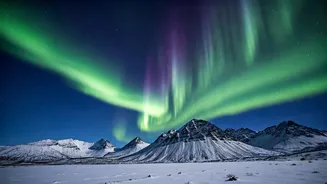
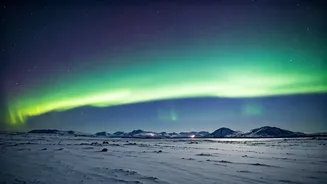
and fall equinoxes. During mid-to-late March and September, Earth's axial tilt and magnetic field align favorably with the solar wind, the stream of charged particles from the sun responsible for the aurora's dazzling displays. This alignment can lead to more frequent or intense geomagnetic activity, increasing the probability of witnessing the lights. Although the aurora's appearance is never guaranteed, strategic travel during these equinox periods, especially when venturing outside the solar maximum, significantly boosts your odds of experiencing a remarkable show. This timing is crucial for aurora enthusiasts aiming to catch the phenomenon during less active solar phases.
Target Auroral Oval Destinations
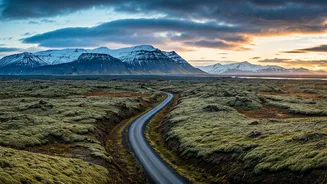
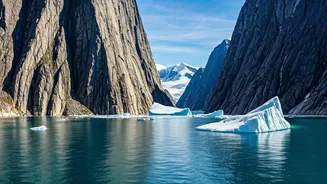
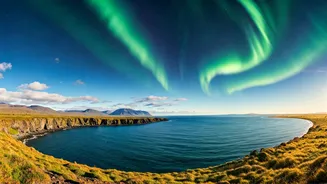
Although the recent solar maximum allowed the Northern Lights to be visible in unusually southern latitudes, these occurrences are rare. For a more reliable viewing experience, it is recommended to travel to regions situated within the auroral oval, a band of intense aurora activity circling the Earth's geomagnetic poles at approximately 60 to 75 degrees north latitude. Prime locations within this zone include Iceland, parts of South Greenland, Lapland, Yellowknife, and Fairbanks. In these areas, the aurora is most commonly observed, often appearing vividly even without exceptionally strong geomagnetic conditions. Even during periods of lower solar activity, destinations within the auroral oval provide consistent opportunities to witness the aurora, as demonstrated by compelling displays seen in Greenland and Iceland even when forecasts suggested minimal activity.
Allow Ample Viewing Time
When embarking on an aurora-centric journey, particularly outside of the solar maximum period, it's advisable to dedicate at least four nights to your expedition. This extended duration provides a greater opportunity for favorable geomagnetic conditions to coincide with clear skies, both essential elements for a successful aurora sighting. Many aurora hunters, including seasoned travelers, prefer to schedule six or more nights for their trips, especially to remote destinations like Greenland or Churchill, Canada, which can involve considerable travel logistics. This extended stay not only allows for reaching these locations comfortably but also incorporates buffer days to mitigate potential travel disruptions like flight delays. Sacrificing viewing time due to unforeseen travel issues can be deeply disappointing, underscoring the importance of prioritizing ample time on the ground for your aurora quest.
Choose Aurora-Friendly Stays
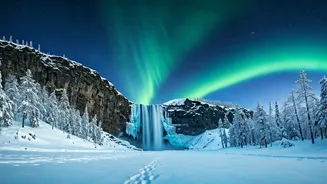
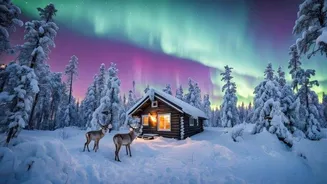
A highly effective strategy for aurora enthusiasts is to select accommodations situated in northern locales that permit viewing directly from your doorstep or even from your bed. The aurora's appearance is often unpredictable, and while forecasting apps offer some advance notice, successful viewing frequently depends on being in the right place at the opportune moment. By lodging in areas with minimal light pollution and the convenience of sky-watching from your accommodation, you place yourself in an ideal vantage point. This setup allows you to set alarms and remain vigilant throughout the night, ensuring you don't miss those crucial moments when the lights are most active. Lodgings like Hotel Arctic in Ilulissat, Greenland, or Borealis Basecamp near Fairbanks, Alaska, offer unique features such as clear-walled igloos and even aurora wake-up calls, maximizing your chances of a memorable encounter, especially during the peak viewing hours typically between 10 p.m. and 2 a.m. local time.
Engage a Guided Tour
One of the simplest yet most effective methods to enhance your chances of seeing the Northern Lights is by booking a guided tour. Local guides possess in-depth knowledge of the best viewing spots and optimal times for aurora observation in specific regions, alleviating the guesswork often associated with aurora forecasting. This expertise allows you to bypass the need to learn complex terminology like Kp, Bz, and solar wind speed, which are integral to understanding aurora activity. However, acquiring some familiarity with these concepts and general aurora-hunting strategies can empower you to independently seek out the lights on nights when you are not on a tour. Resources such as educational materials from aurora experts or in-person seminars can provide valuable insights for aspiring aurora hunters.