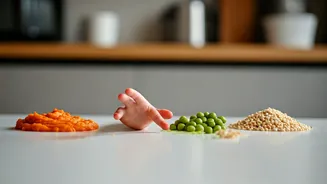







Understanding Texture Sensitivity
Many young children experience a heightened sensitivity to certain food textures, a common sensory challenge that can lead to a strong preference for crunchy
foods over softer, mushier options. This isn't typically a sign of stubbornness but rather a response from their nervous system. For some, the predictable crispness of foods like crackers or carrots offers a sense of security and regulation, making it their go-to choice. Conversely, the unpredictable nature of wet, slimy, or soft textures can feel overwhelming and uncomfortable. This tactile defensiveness can even extend to an aversion to touching such foods. These situations are frequently observed in children between one and three years old and, with a consistent and gentle approach, can be significantly improved over time.
Playful Food Bridging
The most effective method to help children overcome texture aversions is through a play-based desensitization strategy. The key is to avoid rushing or forcing the child. Instead, begin with the foods they already enjoy and gradually introduce new textures. For children who gravitate towards crunchy items, pre-meal 'heavy work' activities like carrying laundry or jumping can help calm their nervous system. Then, use their preferred crunchy food as a bridge. For instance, lightly coating the edge of a cracker with yogurt allows them to engage with a different texture without pressure. The goal is for them to become comfortable with the new sensation on their food, even if they don't eat it immediately. Offer these small introductions daily. 'Food bridging' can also involve incorporating preferred crunchy elements into softer foods; for example, sprinkling powdered makhana or another crunchy snack onto a banana. Oral motor exercises like blowing bubbles, chewing on safe tubes, or playing with paper soccer can also aid in desensitizing their mouths.
Exploring Non-Food Textures
For children who are extremely reluctant to touch mushy foods, the process needs to start even slower, focusing on non-food sensory play for one to two weeks. This involves providing opportunities to interact with a variety of textures in a safe and engaging environment. Dry sensory bins filled with materials like oats or rice can be great for scooping and pouring. Engaging with playdough or tactile fabrics, ranging from soft velvet to rougher textures, can also help build tolerance and familiarity with different tactile inputs without the pressure associated with mealtimes. This gradual exposure helps their brains become more accustomed to varied sensory experiences, laying the groundwork for them to eventually explore different food textures.
Creating Calm Mealtimes
Regardless of a child's texture preferences, maintaining a relaxed and short mealtime, ideally around 10-12 minutes, is crucial. Sitting together as a family and modeling calm eating behaviors can significantly impact a child's perception of food. You can playfully comment on food textures, like saying, 'Look, I'm squishing this banana, it feels fun!' The focus should be on the experience and the exploration of trying, rather than solely on the quantity consumed. Consistent positive reinforcement around these attempts, without pressure, helps build a healthier relationship with food. Most children will show noticeable improvement within 4 to 8 weeks of consistent application of these strategies, provided they are relaxed and engaged.
When to Seek Professional Help
If, after several weeks of consistent effort, your child continues to display significant stress around food, maintains a very limited diet, and shows no willingness to try new textures, it may be time to consult a professional. Nutritional deficiencies, such as a lack of zinc, could be a contributing factor, so discussing this possibility with your doctor and considering a supplement might be beneficial. If these steps don't yield results, seeking guidance from a pediatric occupational therapist is recommended. They can conduct a thorough sensory profile to identify specific challenges and provide personalized strategies tailored to your child's unique needs, ensuring a supportive path towards a more diverse and enjoyable eating experience.