


Strength in Motion
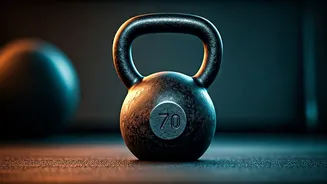
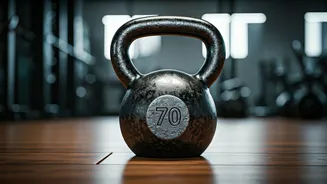
Actress Zareen Khan recently demonstrated remarkable strength by performing goblet squats with a considerable 70-pound (30-kilo) weight. This feat, captured
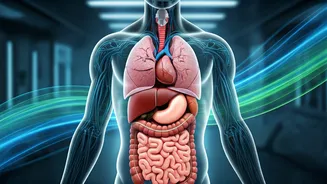
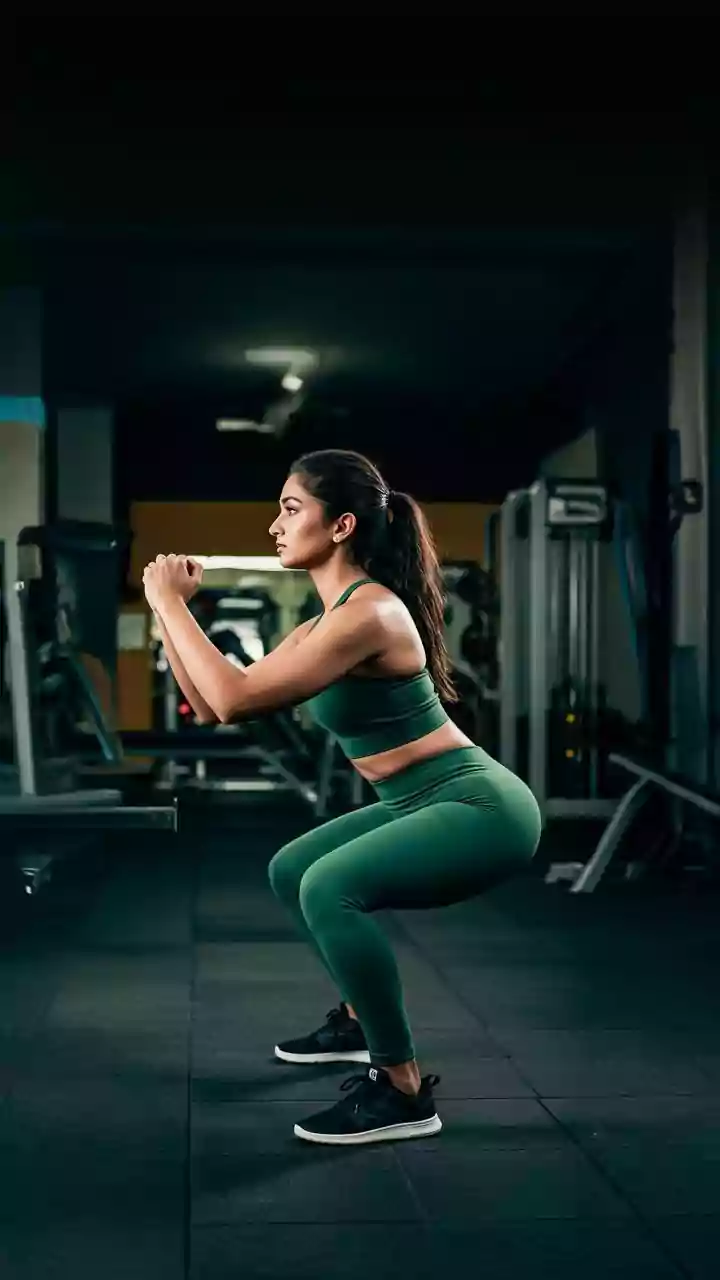
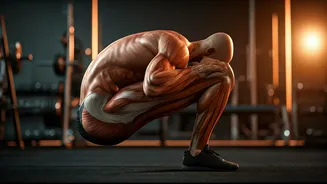
and shared on social media, highlights her dedication to fitness. The goblet squat itself is a complex exercise, engaging multiple muscle groups simultaneously. It primarily targets the quadriceps, glutes, and hamstrings, which are the major muscles in the legs and hips. However, its benefits extend beyond these primary movers. The exercise also demands significant engagement from the core muscles and the stabilizing muscles along the back, all of which work in unison to maintain an upright posture and control the movement. Furthermore, the upper body is also involved in holding the weight, contributing to overall upper body conditioning and postural awareness. This comprehensive engagement makes the goblet squat a highly efficient exercise for overall physical development and functional strength, going far beyond a simple leg workout. Its effectiveness lies in its ability to build a solid foundation of strength and stability throughout the entire kinetic chain, preparing the body for various physical demands both in and out of the gym.
Weight and Your Body
The act of holding a 70-pound weight close to the chest during a goblet squat is more than just a display of strength; it's a strategic choice that aids in proper form and depth. As highlighted by experts, this positioning encourages an improved posture alignment, ensuring the spine remains neutral and the chest stays proud. This cueing mechanism is particularly beneficial for individuals learning the squat pattern or those who tend to lean forward excessively. It naturally guides the body into a more upright stance, which is crucial for effectively activating the target muscles and minimizing stress on the lower back. For women, incorporating loaded squats like these is instrumental in boosting bone density. As we age, maintaining strong bones becomes increasingly important to prevent conditions like osteoporosis. Strength training stimulates bone remodeling, making them denser and more resilient. Additionally, the increased muscle mass from strength training can elevate the metabolic rate, meaning the body burns more calories even at rest. This enhanced metabolic activity, combined with improved muscle tone and better insulin sensitivity, contributes significantly to effective fat loss and overall metabolic health over the long term, supporting healthier joints and sustained well-being.
Functional Fitness Power
Beyond its aesthetic benefits and strength-building potential, the goblet squat plays a crucial role in enhancing functional fitness. This means improving the body's ability to perform everyday activities with greater ease and efficiency. The movement pattern of a goblet squat closely mimics common daily actions, such as sitting down and standing up from a chair, ascending or descending stairs, and even the fundamental motion of lifting an object off the ground. By strengthening the glutes and leg muscles, the body becomes more capable of supporting the knees and reducing the strain placed upon them during these activities. Similarly, a strong posterior chain, including the glutes and lower back muscles, provides essential support for the spinal column, helping to protect the lower back from injury. When executed with correct form, which includes controlled movements and proper alignment, goblet squats can significantly contribute to injury prevention and posture improvement. They help establish a more balanced and resilient musculoskeletal system, better equipped to handle the physical demands of daily life without succumbing to strain or discomfort.
Mastering Heavy Lifts
While lifting heavier weights like 70 pounds in a goblet squat offers substantial rewards, it's imperative to approach such loads with caution and proper preparation. Attempting to lift weights that exceed one's current foundational strength, mobility, and core stability can significantly increase the risk of injuries, particularly to the knees and lower back. A gradual and progressive approach is key. This means building a solid base of strength and ensuring the body has the necessary range of motion and muscular control before attempting heavier variations. Furthermore, the tempo of the exercise and maintaining correct alignment are vital for both effectiveness and safety. The recovery period following a strength training session is equally as important as the workout itself. It's during this time that the muscles repair and grow stronger, so adequate rest and nutrition are non-negotiable components of the training process. Strength gains are a cumulative result of consistent effort, proper technique, and sufficient recovery, not solely from the act of lifting itself.
Resilience and Longevity
The pursuit of building muscle, as demonstrated by Zareen Khan's impressive goblet squats, is not primarily about achieving a bulky physique. Instead, the true value lies in cultivating resilience, promoting hormonal balance, and enhancing longevity. Strong muscles act as a cornerstone for healthy aging, contributing to a more robust and capable body well into later years. They play a pivotal role in maintaining a healthy metabolism, ensuring the body efficiently processes nutrients and energy. This metabolic efficiency is crucial for weight management and overall vitality. Moreover, regular strength training can have a positive impact on hormonal profiles, contributing to better endocrine function. The confidence that comes from being physically strong and capable is an often-overlooked, yet significant, benefit. It translates to an improved sense of self-efficacy and empowerment, making it easier to tackle life's challenges both physically and mentally. Ultimately, investing in muscle strength is an investment in overall well-being, confidence, and a higher quality of life for years to come.