





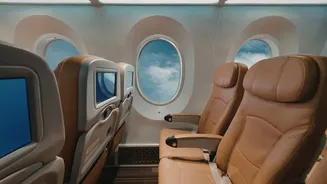
Understanding Seat Divorce
The concept of 'seat divorce' emerges as a pragmatic solution to the often-stressful realities of air travel. It involves couples deliberately choosing
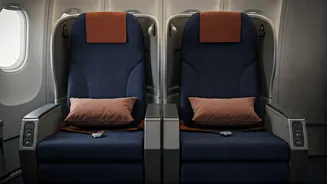
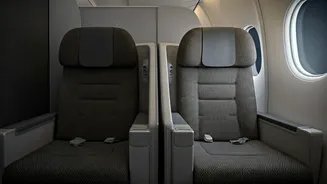
to sit in separate seats rather than side-by-side, a choice that might initially seem counterintuitive to the idea of togetherness. However, proponents argue that this deliberate physical distance can paradoxically foster greater emotional closeness. Instead of enduring discomfort or the pressure to constantly interact, individuals can utilize their personal space for activities like sleeping, enjoying entertainment, or simply quiet contemplation. This approach aims to transform potentially draining journeys into more restorative experiences, leading to a more positive outlook on shared time once the flight concludes. Many couples report that the refreshed state upon arrival significantly enhances their interactions and overall enjoyment of their destination, proving that sometimes, a little space is the ultimate connector.
The Rise of Separate Seating
While societal norms often promote the idea that couples should always be physically adjacent, the practicalities of modern air travel are leading many to question this convention. The traditional emphasis on 'together at all costs' can sometimes result in couples appearing more engaged with their devices than with each other, creating an illusion of intimacy rather than genuine connection. 'Seat divorce' offers an alternative script, allowing partners to secure their preferred seating—whether it's the coveted window or the convenient aisle—without the compromises often demanded by sitting together, especially avoiding the universally disliked middle seat. This is particularly beneficial for individuals who require more personal space, such as taller passengers, who can avoid physical discomfort. Much like the well-established 'sleep divorce' trend, which advocates for separate sleeping arrangements to improve rest, 'seat divorce' suggests that physical separation during travel can enhance the quality of togetherness upon disembarking.
Enhancing Relationships Through Space
The benefits of 'seat divorce' are increasingly being recognized by relationship experts. Family therapist Tawanna Marie Woolfolk points out that our culture often pressures couples into a visible display of proximity as a marker of relational health, leading strangers to intervene when partners sit apart, assuming a need for 'fixing.' This phenomenon, Woolfolk suggests, reveals more about societal discomfort with non-performative intimacy than the actual state of the relationship. Dan Auerbach, another therapist, elaborates that prolonged, side-by-side proximity can, in fact, lead to a dulling of connection. When individuals are constantly in close quarters, they may become background noise to each other, passively sharing an experience without deep engagement. Conversely, couples practicing 'seat divorce' often find themselves reconnecting more intentionally, sharing movie suggestions or brief check-ins that hold more meaning than hours of passive co-presence. These deliberate moments of engagement become more potent and appreciated.
Practical and Emotional Advantages
The motivations behind 'seat divorce' are rooted in both practical comfort and emotional well-being. Air travel today is often characterized by cramped conditions, delays, noise, and extensive queues, making any improvement in comfort highly desirable. The common scenario of one partner being relegated to a middle seat—a universally uncomfortable position—can be entirely avoided by choosing separate seating. Granting each person their preferred seat, be it aisle or window, significantly boosts comfort, especially on extended flights where every inch of space counts. Beyond physical ease, the ability to disconnect, decompress, and recharge without the obligation to 'perform' coupledom offers substantial emotional relief. This allows individuals, particularly those who may have had taxing pre-flight experiences like managing young children or dealing with work stress, to finally rest, read, or engage in personal reflection without pressure. This chosen space is not an indicator of relational distance but rather a conscious effort to conserve energy, ensuring they can be more present, patient, and considerate upon arrival.
Communication and Balanced Partnership
The effectiveness of 'seat divorce' hinges on mutual understanding and open communication between partners. It's not about avoidance but about a respectful acknowledgment of individual needs. Couples who opt for this strategy typically discuss their preferences beforehand, considering factors like who requires more legroom, who experiences anxiety during flights, or who has a strong aversion to middle seats. This collaborative decision-making process fosters trust, as it replaces potential resentment or one-sided sacrifice with shared responsibility. Fundamentally, 'seat divorce' embodies a principle of balance in relationships. When one partner consistently compromises their comfort or subordinates their needs, it can subtly erode the equilibrium of the partnership over time. By allowing for personal space during travel, couples can actively reclaim their individual comfort and autonomy, contributing to a more equitable dynamic.
Personal Space as Strength
Contrary to the notion that 'seat divorce' signals relationship trouble, many couples find it actually enhances their affection for one another. By avoiding the minor frictions that can arise from confined seating—such as competing for armrests or dealing with shared personal space intrusions—partners arrive at their destination feeling more relaxed, less burdened, and more inclined to be generous with each other. This shift in their pre-arrival state profoundly influences the overall tone and enjoyment of their trip. In essence, 'seat divorce' reflects a broader evolution in how couples perceive intimacy. It moves beyond a singular focus on physical closeness to encompass emotional attunement, clear communication, and a deep respect for each other's personal boundaries and needs. This modern approach to togetherness prioritizes individual well-being as a foundation for a stronger, more resilient partnership.