






Championing Regional Flavors
Uttar Pradesh is embarking on a significant culinary journey with its 'One District, One Cuisine' initiative, a program designed to highlight and promote
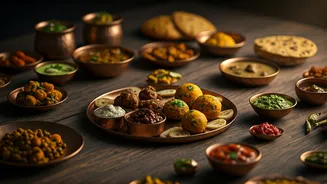
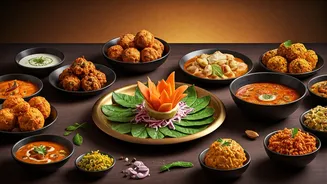
the distinct gastronomic identity of each district. This ambitious project has curated a list of beloved local foods, from the sweet, syrupy Agra petha and crunchy dalmoth to the savory Firozabad tikki and crispy kachori. The initiative also celebrates Ayodhya's traditional kulhad dahi-jalebi, Mau's hearty litti-chokha, and the world-renowned Banarasi paan, among many other delectable regional specialties. The primary objective is to foster improved branding, sophisticated packaging, and expanded market access for these culinary treasures, thereby preserving and celebrating Uttar Pradesh's rich food heritage and boosting local economies through these unique gastronomic offerings.
Diverse District Pairings
The 'One District, One Cuisine' initiative showcases a remarkable diversity of flavors and culinary traditions, linking specific dishes to their districts of origin. Aligarh is recognized for its dairy products and kachori, while Hathras is celebrated for food infused with asafoetida (hing) and its creamy khurchan. Kasganj is associated with the sweet delight of moong dal halwa and snacks crafted from singhada flour. In central UP, Ayodhya stands out with its kachori, peda, and the delightful kulhad dahi-jalebi. Sultanpur is noted for its peda, Barabanki for the intricate chandrakala sweet, and Amethi for its samosas and jaggery-based sweets. Ambedkar Nagar features prominently for its batasha and various khoya preparations, demonstrating the wide spectrum of sweets and savories being promoted.
Eastern and Western Highlights
Uttar Pradesh's eastern and western regions contribute significantly to the 'One District, One Cuisine' roster, each boasting unique specialties. Eastern districts include Azamgarh, known for its flavorful teheri and sweet carrot halwa, and Ballia, celebrated for its sattu-based dishes. Mau is highlighted for the iconic litti-chokha, a staple of the region. Varanasi’s culinary landscape is represented by tiranga barfi, thandai, lassi, kachori, and the iconic Banarasi paan, while Jaunpur is recognized for its exquisite imarti. Moving west, Meerut's revdi and gajak, traditional winter sweets, are featured. Ghaziabad will promote its papad-based delicacies, and Noida's bakery products are also on the list. Hapur's papad and Bulandshahr's kachori and peda add to the western region's representation, with Baghpat being celebrated for its balushahi and ghewar.
Beyond Sweets and Savories
The initiative extends its embrace to a variety of other regional specialties across Uttar Pradesh. Prayagraj is recognized for its popular kachori, samosa, and rasmalai, dishes enjoyed by many. Fatehpur contributes its own unique bedmi puri and an assortment of sweets. Kaushambi is noted for its jaggery-based products, a testament to the region's sweet traditions. Pratapgarh brings its renowned amla-based items to the forefront, leveraging the local produce. Further north, Saharanpur's honey-based products are highlighted for their natural sweetness and quality. Muzaffarnagar is celebrated for its jaggery sweets, and Shamli is recognized for its jaggery-based snacks, showcasing a continued focus on the versatile and widely appreciated jaggery across different forms.
Notable Omissions and Criticisms
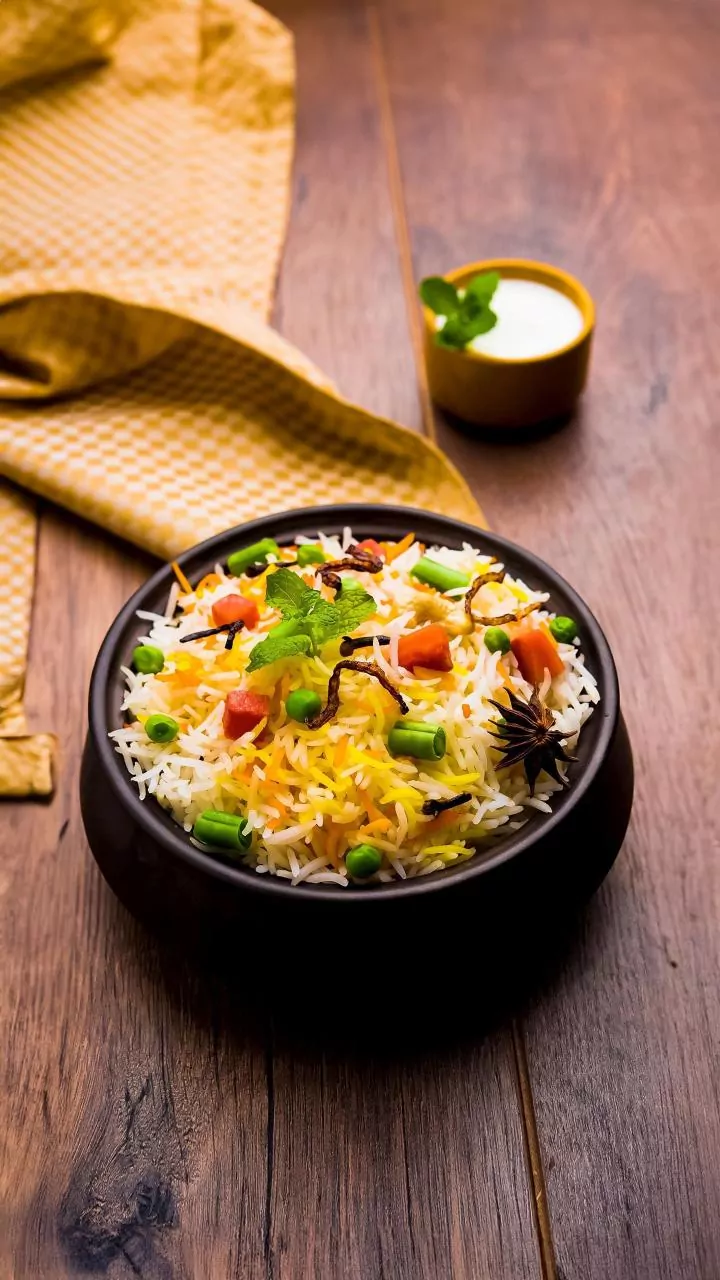
Despite the extensive list of vegetarian dishes, the 'One District, One Cuisine' initiative has faced considerable attention for its notable omissions. Many iconic non-vegetarian dishes from Uttar Pradesh, which have gained national and international acclaim, have been excluded from the program. This includes the celebrated Tunday and Galouti kebabs, Awadhi biryani, and nihari from Lucknow, as well as the rich Rampuri cuisine's mutton korma and seekh kebabs from Rampur, and Bareilly's popular mutton preparations. Food historian Pushpesh Pant has critically described the all-vegetarian selection as a 'half-baked' and 'ignorant nonsense' move, suggesting it may stem from selective discrimination, even while acknowledging the merit of vegetarian dishes themselves.