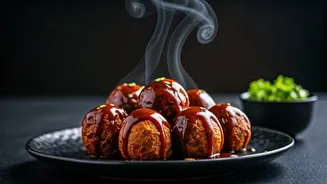






Batter Consistency Matters
One of the most frequent errors in Manchurian preparation lies in the batter's consistency. A batter that's either too thick or too thin can significantly
affect the dish's final outcome. If the batter is too thick, the Manchurian balls will be dense and heavy, failing to achieve the desired light and airy texture. Conversely, a thin batter may cause the balls to fall apart during frying, resulting in a messy and unappealing dish. The correct consistency is crucial for ensuring the Manchurian balls are perfectly crisp on the outside while remaining tender and flavorful on the inside. Achieving this balance involves carefully measuring the ingredients and adjusting the batter's thickness as needed, typically with water or a bit of cornstarch to bind. It’s also imperative to let the batter rest, which allows the gluten to relax, improving the overall texture.
Ingredient Selection Dilemma
The quality of your ingredients is another important factor in making perfect Manchurian. Using stale or subpar vegetables can ruin the taste and texture of the dish. Freshness is key: opt for vibrant, crisp vegetables like cabbage, carrots, and capsicum. These will contribute the necessary crunch and natural sweetness to the Manchurian balls. Similarly, the choice of sauces and spices also has a significant effect. Using low-quality soy sauce or imbalanced spice blends can lead to a dish that lacks the authentic Manchurian flavor profile. Experimenting with fresh ginger and garlic, along with authentic sauces is critical to elevate the taste. To ensure the best outcome, source the freshest ingredients possible, paying attention to their quality and flavor, as they all contribute to the overall experience.
Temperature Control Fails
Incorrect frying temperature is another significant contributor to a flawed Manchurian experience. If the oil isn't hot enough, the Manchurian balls absorb excessive oil, becoming greasy and unappetizing. Furthermore, a low oil temperature may prevent the balls from browning properly, resulting in a pale, soggy appearance. Conversely, if the oil is too hot, the Manchurian balls will cook too quickly on the outside while remaining raw inside, leading to a burnt exterior and an undercooked center. The ideal temperature for frying Manchurian is typically between 350-375°F (175-190°C), which will ensure the balls cook evenly and develop a perfectly crisp exterior. Using a thermometer is highly recommended, as this will help you accurately monitor the temperature.
Overcrowding the Wok
Attempting to fry too many Manchurian balls at once, often referred to as overcrowding, can result in a significant drop in oil temperature, which is similar to the issue addressed in the temperature control section. This leads to the same issues: greasy, undercooked balls. Overcrowding reduces the oil's ability to maintain its heat, consequently causing the Manchurian to absorb more oil and cook unevenly. The result is a disappointing texture and flavor. To avoid this, fry the Manchurian balls in batches, giving them enough space to cook evenly. It's better to cook in smaller batches to ensure they turn out perfectly crisp and flavorful.
Sauce Timing Mishap
Adding the sauce too early or too late can also lead to a poor Manchurian outcome. Adding the sauce too early can make the Manchurian balls soggy, as they will absorb the sauce and lose their crispness. This affects the texture and overall enjoyment of the dish. Conversely, adding the sauce too late may cause the balls to dry out or fail to properly absorb the sauce’s flavors. The correct timing is crucial. The sauce should be added once the Manchurian balls are cooked and ready. Allowing the sauce to simmer for a short time will allow the flavors to meld and the balls to soak up some of the sauce. This perfect balance ensures that your Manchurian is flavorful, not soggy, and has the right consistency.
Ignoring Garnishing Needs
The final mistake often overlooked is the garnishing. Garnishing isn’t just about aesthetics; it also adds layers of flavor and enhances the eating experience. Skipping the final garnish can result in a dish that, while tasting good, lacks visual appeal and a burst of fresh flavors. Consider garnishing with chopped green onions, coriander, or a sprinkle of sesame seeds. These garnishes provide a fresh contrast to the rich flavors of the Manchurian. They add a fresh, aromatic element that complements the savory taste of the Manchurian balls and sauce. Including fresh garnishes is an integral part of completing the dish and taking your Manchurian from good to outstanding.