





Nutritional Powerhouse Unveiled
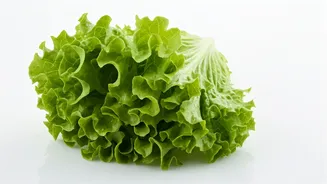
Lettuce is widely embraced in diets aimed at weight reduction, largely due to its exceptionally low calorie count and substantial water content, which
together contribute to a feeling of fullness without adding significant caloric load. Beyond its low-energy profile, lettuce is a commendable source of dietary fiber. This crucial component plays a vital role in promoting healthy digestion and significantly enhances satiety, meaning you feel fuller for longer periods. This prolonged feeling of fullness can be instrumental in curbing overeating, thereby supporting more effective weight management strategies. Furthermore, this leafy green is not merely a filler; it packs a surprising punch of essential nutrients, including vital vitamins like Vitamin A and Vitamin C, alongside various minerals that are fundamental for maintaining overall bodily health and function. This nutrient density is precisely why many individuals are opting to replace more substantial meals with vibrant salads featuring lettuce as a primary ingredient.
Hydration and Feel-Good Factor
A significant advantage of incorporating lettuce into your diet is its remarkably high water content, which hovers around an impressive 90%. This abundance of water is beneficial for maintaining optimal hydration levels throughout the day, a key aspect of overall well-being. For many, especially during warmer months, this hydration contributes to a refreshing and light sensation, making it a particularly appealing food choice. Consequently, it's no surprise that lettuce frequently finds its way into regular meal preparations, particularly in the form of salads. Its ability to contribute to both hydration and a feeling of lightness makes it a favored component in many health-conscious eating plans, aligning perfectly with the desire to feel energized and less weighed down.
Expert Take on Limitations
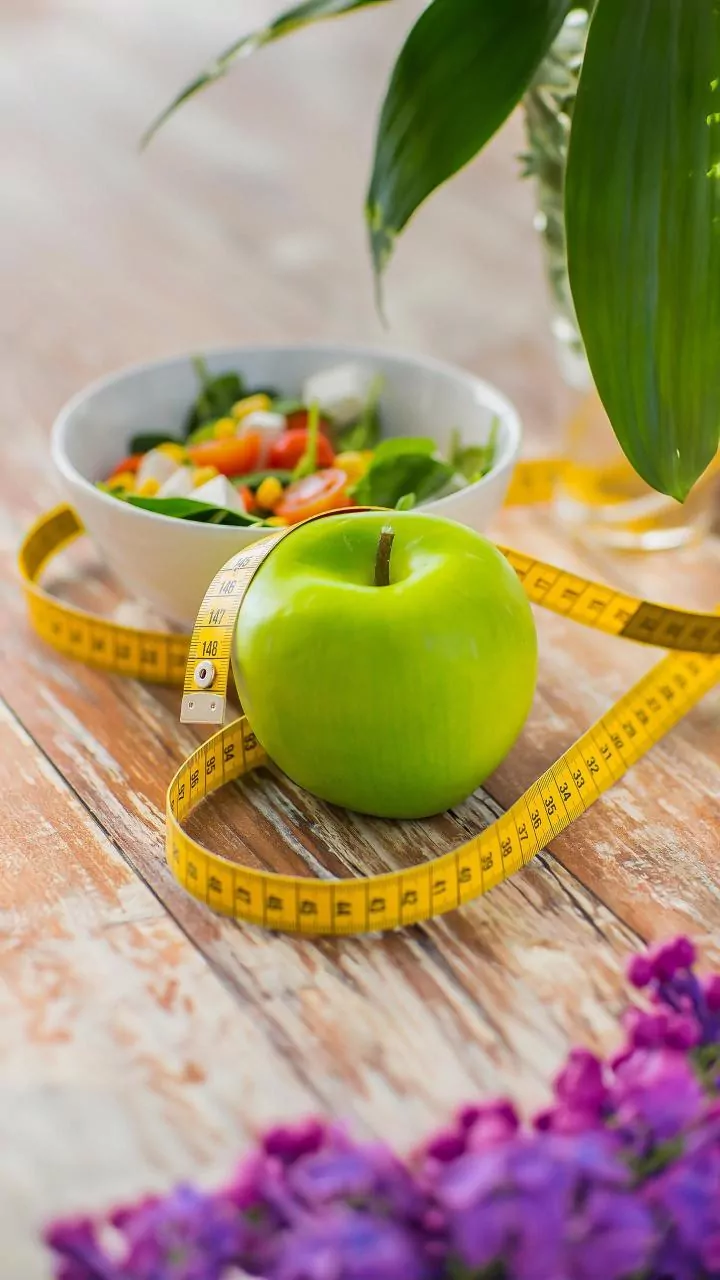
While lettuce offers numerous benefits for those looking to manage their weight, experts consistently emphasize that it cannot be considered a standalone solution for weight loss. The consensus among health professionals is that sustainable weight reduction is intrinsically linked to a multifaceted approach. This approach must encompass a well-rounded, balanced diet that provides all the necessary nutrients the body requires, alongside a consistent regimen of regular physical activity. Relying too heavily on a single food item, even one as beneficial as lettuce, to achieve significant weight loss goals can be counterproductive. Such a narrow focus may inadvertently lead to deficiencies in other essential vitamins and minerals, potentially hindering overall health and the body's metabolic processes. Therefore, lettuce should be viewed as a valuable component within a broader, integrated health strategy rather than a magic bullet.
Innovative Culinary Uses
In today's health-conscious landscape, fitness enthusiasts are creatively integrating lettuce into a diverse array of dishes, moving beyond traditional salad applications. This culinary experimentation includes crafting light and healthy lettuce wraps, incorporating it into vibrant smoothies, and developing innovative salad recipes. While these preparations are undoubtedly light and contribute positively to a healthy diet, the ultimate perspective from experts remains consistent. Long-term success in weight management is not dictated by the inclusion of a single ingredient, however beneficial. Instead, it is the cumulative effect of maintaining a balanced dietary pattern, engaging in consistent exercise routines, and embracing an overall healthy lifestyle that truly determines lasting results. The key takeaway is that while lettuce can be a supportive element, it is the holistic lifestyle that holds the true power for sustainable weight loss.