







Eclipse Wonders Unveiled
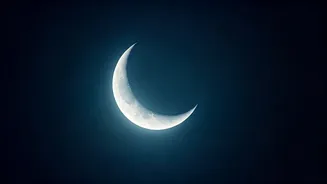
The night sky frequently offers dramatic spectacles like lunar and solar eclipses, drawing observers from across the globe. A notable 'Blood Moon' lunar eclipse,
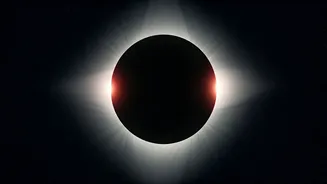
for instance, can paint the Moon a striking red hue for an extended period, visible from every corner of the United States. Similarly, total solar eclipses present a rare and awe-inspiring phenomenon, where the Moon completely obscures the Sun, casting a temporary twilight across a specific path. Destinations within the path of totality become prime viewing locations, offering an unparalleled experience. The 2024 total solar eclipse, for example, provided stunning views across numerous U.S. locations, with specific cities like one in New York's Finger Lakes region being perfectly situated for this celestial alignment. For those who missed these events, future eclipse streaks, like one commencing in 2026, promise even more opportunities, with particular destinations slated to offer the most breathtaking vantage points for this 'Eclipse of the Century.'
Meteor Showers Galore
Prepare for dazzling displays of shooting stars as Earth passes through debris trails left by comets. Several meteor showers grace the night sky throughout the year, each offering a unique viewing experience. The peak of a particular meteor shower might present the brightest display of the month, offering a chance to witness dozens of streaks per hour. For instance, the famous Halley's Comet leaves behind a trail of dust and debris that causes an annual meteor shower, providing a spectacular show for observers. These events are best enjoyed away from city lights, allowing the faint trails of light to be seen against the dark canvas of the night sky. Identifying optimal viewing times and locations can significantly enhance the experience, turning a simple night into an unforgettable cosmic light show.
Cosmic Events & Planet Parades
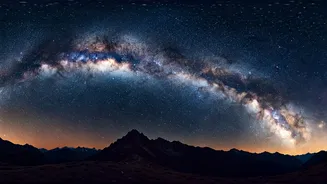
Beyond eclipses and meteor showers, the night sky presents a constant stream of celestial wonders, including planetary alignments and the ethereal glow of the Milky Way. Certain months, like September, are particularly rich in astronomical events, featuring 'planet parades' where multiple planets are visible in a striking lineup. The night sky in May 2025 is also anticipated to showcase a fascinating arrangement of planets, alongside other astronomical marvels. The appearance of specific celestial bodies, such as a 'Blaze Star' that may reappear after an 80-year absence in 2026, adds an element of rarity and anticipation. For photographers and enthusiasts alike, finding the perfect spot to capture the majestic sweep of the Milky Way is a rewarding pursuit, with specific locations offering unparalleled clarity and stunning vistas of our galaxy's core throughout the year.
Stargazing Havens
Identifying the best locations for stargazing can elevate your appreciation for the night sky's grandeur. Certain natural areas are recognized for their exceptional clarity and minimal light pollution, making them ideal for astronomical observation. A gorgeous State Park in California, for example, has been acclaimed as the premier destination for stargazing in the United States, offering pristine views. For those seeking alternative stargazing experiences, particularly when unable to witness major events like the April 8th solar eclipse, various locations across the U.S. provide excellent opportunities for observing other celestial phenomena. These destinations cater to a growing interest in astrotourism, with many Americans identifying natural phenomena like meteor showers and clear views of the cosmos as top travel experiences for the coming years, fostering a desire to connect with the universe.