



Defrosting at Room Temperature
Leaving food, including meats, poultry, and pre-cooked meals, to thaw on the kitchen counter presents a significant food safety hazard. While it might
seem faster than refrigeration, the outer layers of the food can quickly enter the "danger zone" (40-140°F or 4.5-60°C) where bacteria can multiply rapidly. According to USDA guidelines, food left in this temperature range for more than two hours (or one hour if the room is above 90°F) should be discarded. Experts explain that the inconsistent thawing, where the outside thaws while the inside remains frozen, is the primary concern. Although it's theoretically possible to monitor temperatures and manage safe counter thawing for smaller items or within strict time limits, the potential for human error makes this practice highly inadvisable. The safest approach remains to defrost food in the refrigerator, in cold water, or in the microwave, thereby avoiding the uncontrolled temperature fluctuations of room-temperature thawing.
Eating Leftovers Left Out
Consuming food that has been left at room temperature for over two hours is a serious food safety concern. While some might be tempted to eat a slice of pizza that's been sitting out overnight, experts caution against this practice. Even though pizza crust is relatively dry, the sauce and toppings introduce moisture, increasing the risk of bacterial growth. It's important to remember that the incubation periods for foodborne illnesses can vary greatly, meaning you might not feel sick immediately after consuming contaminated food. For instance, Listeriosis can have an incubation period of up to 60 days, while common E. coli symptoms can appear anywhere from six hours to six days later. This wide range makes it difficult for individuals to accurately connect their illness to the specific food consumed, leading to the false assumption that certain foods are safe to leave out.
Rinsing Raw Chicken
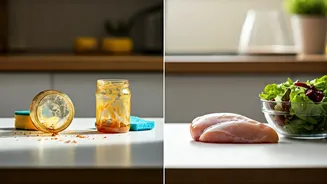
Washing raw chicken before cooking, a common practice for many, is discouraged by food safety experts due to the high risk of spreading harmful bacteria. When raw chicken is rinsed under running water, bacteria such as Campylobacter, Salmonella, and Clostridium perfringens can become airborne and contaminate kitchen surfaces, including sinks, countertops, and utensils. Studies have shown that a significant percentage of sinks and surrounding areas can remain contaminated even after attempts to clean them. Furthermore, washing chicken does not effectively remove the bacteria that adhere to the meat; specialized cleaning methods would be required for any meaningful removal. The primary danger arises from the splashing effect of running water, which disperses these pathogens widely. While some argue that sinks are already contaminated environments, the act of washing chicken exacerbates this issue. The consensus among experts is that rinsing chicken provides no discernible benefit and introduces an unnecessary risk of cross-contamination, making it a practice to avoid in favor of general kitchen cleanliness.
Draining Over Dirty Sinks
Draining pasta, rice, or beans over a sink filled with dirty dishes carries a potential risk of cross-contamination, though the level of danger varies. The cleanliness of the dishes and how long they've been accumulating is a key factor; a few used coffee mugs are less concerning than a bowl with dried cereal from a previous day. If any of those dirty dishes have come into contact with raw meat, the risk of transferring bacteria through splashing is amplified. Kitchen sinks themselves are inherently high-contamination areas, regularly exposed to various pathogens from cleaning tools, produce, and raw ingredients. Studies confirm that running water in a sink can even spread bacteria. Therefore, it's crucial to ensure the sink is clean and sanitized before draining food. Avoid letting the colander directly touch any dishes in the sink, and maintain a clean sink area to prevent the spread of bacteria from biofilms and drains.
Reusing Cutting Boards
Using the same cutting board for different food items without proper cleaning can pose a significant contamination risk, especially when switching between raw meat and produce intended for raw consumption. While washing the board between every ingredient isn't always strictly necessary, there's a clear hierarchy of safety. If all food items will be cooked thoroughly and have been washed, the need for immediate board washing between tasks might be reduced, provided there's minimal residue. However, when preparing vegetables that will be eaten raw, or produce that hasn't been thoroughly cleaned, reusing a board that previously held raw meat or poultry can lead to the transfer of pathogens. To minimize risk and dishwashing efforts, it's recommended to prepare ready-to-eat foods first, followed by produce or foods that will be cooked, and finally, raw meats and poultry. This order helps prevent the spread of bacteria to items that won't be subjected to further heat treatment.
Cats on Kitchen Counters
Allowing pets, such as cats, onto kitchen counters poses a risk because they can carry pathogens. Cats are known to harbor the parasite Toxoplasma, which can be transmitted to humans. This parasite is often found in their feces, particularly in litter boxes, and can be transferred to their paws. If a cat walks on kitchen surfaces where food is prepared, there's a potential for contamination. While most healthy individuals experience mild symptoms if infected, pregnant women and those with compromised immune systems are more vulnerable to serious complications. To mitigate this risk, it is advisable to prevent cats from accessing countertops during food preparation and to thoroughly clean and sanitize surfaces before cooking, especially if your cat has had access to them.
Butter Left Out
Leaving butter on the counter is generally safe due to its composition. Butter has a high fat content, making up at least 80% of its composition, which limits the availability of water needed for microbial growth. This low water activity means butter can remain at room temperature for extended periods without spoiling. While it's safe to leave out for more than two hours, it's best practice to store it in a covered dish in a cool, dry place. To maintain optimal freshness and prevent it from going rancid, it shouldn't be left out for more than a day or two. Salted butter has a longer shelf life due to the preservative properties of salt. Therefore, unlike many other dairy products, butter does not require constant refrigeration for safety.
Salting With Bare Hands
Using clean, dry hands to salt food is generally safe, as salt itself is not conducive to bacterial growth. However, a significant risk arises when your fingers, after handling raw meat, are used to sprinkle salt. If these contaminated fingers then touch a salt container, pathogens like Salmonella or Listeria can be transferred to the salt. Studies have demonstrated that these bacteria can survive in salt for months, posing a risk to any food seasoned with that contaminated salt. To prevent this, it's recommended to pour a small amount of salt into a separate pinch bowl when handling raw meat. Any remaining salt in the pinch bowl should be discarded afterward to avoid contaminating the main salt cellar, especially when seasoning foods that will not be cooked further.