





Personal Makeup Journeys
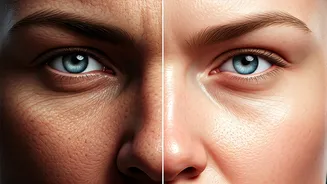
Palak Tiwari recently opened up about her early experiences with makeup, contrasting her skin's texture with that of her mother, Shweta Tiwari. She explained
that as a child, makeup artists would apply looks designed for her mother's softer features onto her own, which ultimately made her feel that makeup didn't suit her. This led Palak to believe her facial structure was 'harsh' compared to her mother's more delicate appearance. It wasn't until she started experimenting with her own makeup as she grew older, playfully 'borrowing' products from her mother's collection, that she began to understand makeup application on a more personal level and discovered what worked best for her own unique features.
Facial Structure & Skin Types
Dr. Shweta Nakhawa, a consultant dermatologist, validates Palak's observations, emphasizing that makeup is highly individualized. She explains that everyone possesses distinct facial characteristics and skin types, meaning a makeup style that enhances one person might not be suitable for another. For instance, individuals with softer facial contours might aim for a dewy, blended appearance, whereas those with more angular features may seek a different aesthetic. Furthermore, skin type plays a crucial role. Whether one has dry, oily, or combination skin significantly impacts how makeup settles and looks. Therefore, a personalized approach, considering both facial structure and skin condition, is essential for achieving a harmonious and flattering makeup application, rather than a one-size-fits-all strategy.
Makeup Techniques Explained
Facial structure profoundly influences the techniques used in makeup application. Dr. Nakhawa elaborates that features like prominent cheekbones, a defined jawline, fuller cheeks, or a broader forehead each necessitate tailored approaches. For example, techniques such as contouring, highlighting, and blush application must be adapted to complement the specific shape of one's face. Similarly, eye makeup requires consideration of eye shape, whether they are hooded, deep-set, or larger, as this impacts how eyeliner, eyeshadow, and mascara appear. The fundamental goal of makeup is to accentuate existing facial features rather than conceal them, requiring an understanding of these nuances for optimal enhancement and a naturally beautiful result.
Essential Skincare Practices
While experimenting with makeup, especially at a younger age, it's vital to prioritize skin health. Dr. Nakhawa advises using high-quality makeup products and adopting consistent, proper skincare habits. Key practices include diligently removing all makeup before sleeping, thoroughly cleansing the face to prevent pore blockages, and refraining from sharing makeup products, which can transfer bacteria and cause breakouts. The most effective strategy is to actively observe and understand your own skin's needs and how it responds to different products. By paying close attention to your skin type, choosing products that match your undertone, and maintaining well-hydrated skin, makeup will naturally blend better and enhance your features for a truly polished look.