






Beyond Calorie Counting
The common wisdom for weight loss often revolves around drastic calorie reduction and eating less. However, individual metabolic rates, hormonal balance,
and how our bodies process food play a crucial role, often making overly restrictive diets counterproductive. Instead of achieving long-term fat loss, such approaches can disrupt bodily functions and lead to a cycle of yo-yo dieting. A more effective strategy involves focusing on nutrient-dense foods that nourish the body, rather than simply starving it. This shift in perspective is championed by Australian fitness coach Hannah Button, who advocates for a method that prioritizes eating more to achieve sustainable fat reduction.
Protein: The Fat Loss Ally
Protein emerges as a cornerstone for effective fat loss, according to fitness coach Hannah Button. She recommends consuming between 0.7 to 1 gram of protein per pound of body weight daily. The science behind this is compelling: your body expends approximately 30% of the calories consumed in protein simply through the process of digestion. This thermic effect of food is significantly higher for protein compared to fats or carbohydrates. Crucially, adequate protein intake helps preserve lean muscle mass, which is vital during a calorie deficit. Muscle tissue is metabolically active, meaning it burns calories even at rest. By protecting your muscle, you ensure your metabolism remains robust, making fat loss more efficient and sustainable. Many individuals inadvertently fall short of their protein needs, hindering their progress.
Sustained Metabolism Through Eating
Drastically cutting calories can trigger a 'starvation mode' in the body, leading to an increase in cortisol levels, the stress hormone. This hormonal response prompts the body to conserve energy and store fat more aggressively. Instead of extreme dietary restriction, a more balanced approach involving a moderate calorie deficit of around 300-400 calories is far more effective for sustainable fat loss. By ensuring you're not severely under-eating, you prevent the metabolic slowdown and hormonal imbalances associated with aggressive dieting. This allows your metabolism to continue functioning optimally, facilitating consistent fat burning without the detrimental effects of deprivation. A sustainable diet ensures that your body remains in a fat-burning state without triggering stress responses.
Muscle: Your Metabolism's Engine
Building and maintaining muscle mass is paramount for long-term fat loss, acting as your body's primary engine for burning calories. The more lean muscle you possess, the higher your resting metabolic rate becomes, meaning you burn more calories throughout the day, even when you're not actively exercising. Conversely, when you drastically restrict calories or engage in yo-yo dieting, your body may break down muscle tissue for energy. This loss of muscle directly leads to a slower metabolism and an increased tendency for your body to store fat. To cultivate muscle, it's essential to consume sufficient nutrients, particularly protein, and engage in consistent, purposeful resistance training. Starvation tactics are the antithesis of muscle building, actively working against your fat loss goals.
Hormonal Harmony for Fat Loss
Hormonal balance plays a critical role in managing body fat, particularly as individuals age. Chronic under-eating can elevate cortisol levels, signaling the body to store more fat, especially around the abdominal area. Simultaneously, persistently low calorie intake can suppress leptin, a hormone responsible for regulating appetite and signaling feelings of fullness. When leptin levels are low, it can lead to constant hunger and cravings, making it difficult to adhere to any diet and increasing the likelihood of binge eating episodes. Maintaining stable hormone levels through balanced nutrition, adequate sleep, and stress management is therefore essential for successful and sustained fat loss.
Fueling for Fat Loss
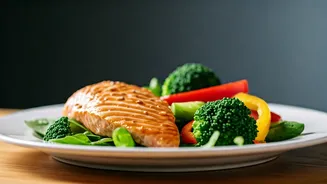
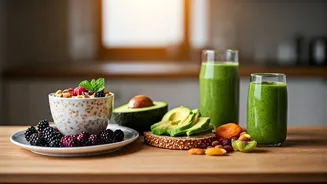
The recommended dietary approach emphasizes nutrient-dense foods that promote satiety and support metabolic function. Lean protein sources such as chicken, fish, eggs, and Greek yogurt are highly encouraged for their muscle-building and thermogenic properties. Vegetables are a key component, providing volume and essential nutrients with minimal calories, helping you feel full without overconsuming energy. Complex carbohydrates, strategically timed around workouts, can fuel your training and recovery. Healthy fats, consumed in appropriate portions, are also vital for hormonal health and overall well-being. This focus on optimal fueling, rather than restriction, creates a sustainable framework for achieving body composition goals.