




About Arbi Leaves
Arbi, also known as colocasia or taro, is a vegetable widely enjoyed in India, especially its leaves. These leaves, known as 'patta' in Hindi, are frequently
used in sabzi preparations. They possess a unique earthy flavor and a slightly sticky texture when cooked. The leaves are rich in nutrients, including vitamins and minerals, adding nutritional value to the dish. The sabzi is generally made with the leaves, along with a blend of spices and occasionally, the arbi root itself. Preparation methods can differ based on regional preferences, but the core essence of the dish remains the same: a flavorful, healthy, and easy-to-make vegetable dish.
Essential Ingredients Needed
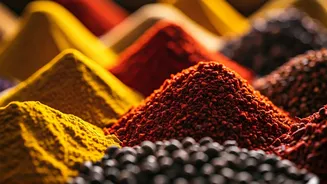
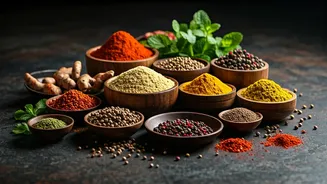
To make Arbi Patta Sabzi, a combination of fresh arbi leaves, spices, and other essential ingredients is required. The primary ingredient is, of course, the arbi leaves; make sure they are fresh and free from any blemishes. Common spices include turmeric powder for color and its anti-inflammatory properties, red chili powder for heat, coriander powder for flavor, and asafoetida (hing) for digestion and aroma. Other essential elements involve mustard seeds for tempering, oil for cooking, and salt to taste. You might also add onions, garlic, and ginger for a base that enhances the flavor. Some recipes involve besan (gram flour) or rice flour to bind the leaves and add a different texture to the dish. The precise combination of ingredients and amounts can be adjusted to personal taste and dietary preferences.
Preparing the Leaves
The first phase in making Arbi Patta Sabzi involves appropriately preparing the arbi leaves. Start by thoroughly washing the leaves to eliminate any dirt or debris. Once cleaned, trim away any hard stems and chop the leaves into manageable pieces. There are several ways to prepare the leaves. Some people prefer to boil them briefly before cooking, which helps to soften the leaves and reduce any bitterness. Boiling also helps to remove excess water. Another popular method is to steam the leaves. After steaming or boiling, squeeze out any extra water. Chopping the leaves finely allows for an even distribution of flavor and texture throughout the dish. This initial preparation step is essential for ensuring a pleasant eating experience, as it affects both the taste and texture of the final sabzi.
Cooking the Sabzi
The actual cooking process of Arbi Patta Sabzi is crucial. The steps involve tempering and adding the prepared leaves. Begin by heating oil in a pan and adding mustard seeds. Once the seeds start to splutter, add the other spices like asafoetida, turmeric, and chili powder. Sauté these spices briefly to release their flavors. Add the chopped onions, garlic, and ginger and sauté until the onions turn golden brown. After this, include the prepared arbi leaves into the pan. Stir well to coat the leaves with the spices and other ingredients. Mix in salt and any other desired seasonings. Cover the pan and let the sabzi simmer until the leaves are tender, stirring occasionally to prevent sticking. If you're using besan or rice flour, add it during this stage to thicken the sabzi.
Serving Suggestions
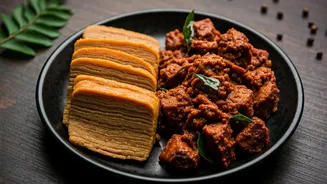
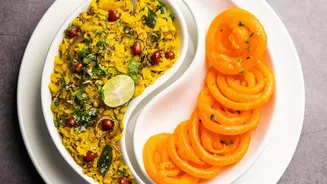
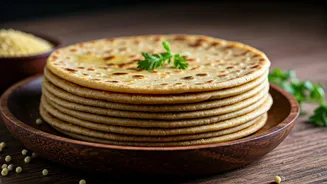
Arbi Patta Sabzi tastes its best when served fresh, hot, and with some sides. It can be enjoyed with roti, paratha, or even plain rice. A dollop of ghee on top can enhance the flavor. For a more complete meal, pair it with a cooling yogurt raita or a simple dal. A side of pickled onions or lemon wedges can also be a nice complement to the sabzi, adding a tangy zest that complements the spices. Additionally, the sabzi can be garnished with fresh coriander leaves before serving to enhance its visual appeal and add a fresh aroma. The flexibility of Arbi Patta Sabzi allows it to be a fantastic addition to a everyday meal or even for special gatherings, adding a distinctive flavor to any dining experience.