


The Heart of Sarson da Saag
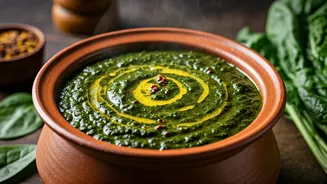
Sarson da Saag is a quintessential Punjabi culinary creation, celebrated for its vibrant green hue and robust flavor derived primarily from mustard greens.
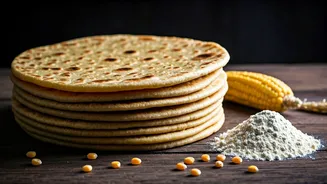
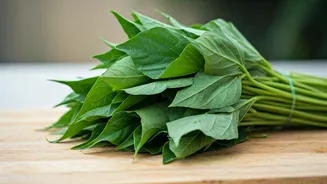
Often paired with makki di roti (cornmeal flatbread) and a generous dollop of butter or ghee, it embodies the spirit of traditional Punjabi cuisine, particularly during festive occasions like Baisakhi. The dish's appeal lies not only in its taste but also in its nutritional value, packed with essential vitamins and minerals from its leafy green base. While mustard greens form the soul of the saag, the addition of spinach and, optionally, fenugreek leaves (methi) and bathua, enhances its texture and nutritional profile. These complementary greens contribute to a smoother consistency and a broader spectrum of nutrients, making the final dish both satisfying and wholesome. The skillful combination of these greens, along with finely chopped aromatics and a judicious selection of spices, forms the foundation of this beloved Punjabi staple.
Crafting the Perfect Blend
To embark on creating this traditional delicacy, gather your ingredients: approximately 1 kg of fresh mustard greens, 250g of spinach, and optionally, 100g of fenugreek leaves, all thoroughly washed and chopped. A flavour base is built with 2-3 green chilies, 1-inch grated ginger, and 4-5 minced garlic cloves. This is further enhanced by one finely chopped onion and pureed tomatoes. The spice palette includes 1/2 teaspoon of turmeric powder, 1 teaspoon each of red chili powder and coriander powder, and salt to taste. For cooking, you'll need 2-3 tablespoons of ghee or oil, and a thickening agent like 1 tablespoon of cornmeal (makki ka atta) or whole wheat flour. The process begins by boiling the chopped greens in a pot with enough water until they become tender, typically 15-20 minutes. After draining and reserving some cooking water, the greens are coarsely ground using a mortar and pestle, food processor, or mashed for a rustic texture. Separately, heat ghee in the same pot, sauté the onions until golden, then add garlic, ginger, and green chilies. Follow with the tomato puree and powdered spices, cooking until the oil separates, indicating a well-cooked masala. Finally, the ground greens are incorporated, mixed with the masala, and the cornmeal or flour is stirred in to thicken. Adjusting the consistency with reserved water, followed by a gentle simmer for another 10-15 minutes, yields the final, rich Sarson da Saag.
Nutritional Powerhouse Explained
Sarson da Saag is more than just a flavorful dish; it's a nutritional powerhouse brimming with essential vitamins and minerals derived from its leafy green constituents. Mustard greens themselves are a commendable source of Vitamin C and calcium, contributing to immune support and bone health. Spinach, a common inclusion, significantly boosts the iron content, vital for energy levels and preventing anemia. The optional addition of bathua further enhances the dish's fiber content, promoting digestive health. Collectively, these greens ensure a rich supply of nutrients while keeping the overall dish light and easily digestible. Supporting ingredients like garlic, ginger, and green chilies not only elevate the flavor profile but also offer their own health benefits, such as antioxidant properties. The approximate nutritional breakdown per serving reveals a modest caloric range of 120–140 kcal, with around 4–5g of protein, 5–6g of fiber, 2–3mg of iron, 120–150mg of calcium, and 20–25mg of Vitamin C. This makes Sarson da Saag a truly nourishing choice, embodying a balance of taste and well-being.
Variations and Healthier Choices
While the traditional Sarson da Saag recipe is inherently healthy, several variations can be explored to cater to different dietary preferences or ingredient availability. If bathua leaves are not readily accessible, substituting with an equivalent amount of extra spinach is a common and effective practice, ensuring the saag retains its smooth texture and nutrient density. The choice of flour used for thickening is also flexible; maize flour (makki ka atta) is traditional and provides a distinct flavor and texture, but whole wheat flour (atta) can be used as an alternative. For those mindful of fat intake, a healthier iteration can be achieved by significantly reducing the quantity of ghee or oil used in the tempering process. Instead of a generous dollop of white butter, a spoonful of low-fat yogurt or curd can be added as a garnish, offering a creamy element without the added fat. These adjustments allow for a lighter yet equally festive and delicious rendition of Sarson da Saag, ensuring its enjoyment without compromising on health goals, especially during celebratory meals.