



A Taste of Tradition
Pana Sankranti, also celebrated as Maha Bishuba Sankranti, signifies the advent of the Odia New Year, observed this year on April 14th. The festival is intrinsically
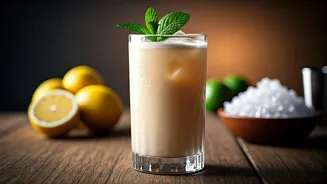
linked to its ceremonial beverage, Bela Pana. This isn't just any drink; it's a cherished, sweet, and incredibly refreshing concoction crafted primarily from the pulp of the wood apple. The traditional preparation involves a harmonious blend of cooling yoghurt, rich milk, and the natural sweetness of jaggery, often enhanced with grated coconut. Beyond its role as a celebratory drink, Bela Pana is traditionally offered to deities and then shared amongst communities as a vital tool to combat the intense summer heat. It embodies a cultural practice deeply rooted in welcoming the new year with a beverage that is both spiritually significant and physically revitalizing.
Health Benefits Unveiled
The appeal of Bela Pana extends far beyond its festive and cultural significance; it's a beverage renowned for its significant health-promoting properties, particularly during the scorching summer months. The star ingredient, the bael fruit, is widely recognized for its positive impact on digestive health and its potent cooling effect on the body. When this nutritious fruit pulp is combined with the probiotic goodness of yoghurt, the hydration from milk, and the energy-boosting sweetness of jaggery, the result is a truly revitalizing drink. This traditional elixir is believed to play a crucial role in regulating internal body temperature, thus offering a natural defense against heat-related ailments such as dehydration and heatstroke. Its inclusion in the summer diet makes it a favoured choice for maintaining well-being when temperatures soar.
Crafting Bela Pana at Home
Recreating the authentic taste of Bela Pana in your own kitchen is a rewarding experience. Begin by carefully selecting a ripe wood apple (bela). Crack open its hard exterior to scoop out the soft, aromatic pulp into a spacious bowl. Introduce about one to two cups of chilled water to the pulp, then vigorously mash it by hand. This process helps to separate the seeds and fibrous material from the smooth pulp. Once mashed, strain this mixture to achieve a fine, seedless juice. Next, incorporate your chosen sweetener – jaggery or sugar – stirring until it dissolves completely into the pulp. Subsequently, blend in two to three mashed ripe bananas, a generous half cup of grated fresh coconut, and half a cup of either fresh cottage cheese or thick yoghurt, aiming for a pleasingly thick and textured consistency. For that characteristic zing, add one teaspoon of black pepper powder and half a teaspoon of cardamom powder. If the mixture seems too dense, gradually add more chilled water until your desired consistency is reached. For an extra touch of indulgence, consider incorporating chopped fruits like grapes or pomegranate, and a final garnish of more grated coconut or your favorite nuts. Serve this delightful creation thoroughly chilled for the ultimate refreshment.