
Early Dietary Habits
Before his transformation, Lionel Messi's dietary choices were far from ideal. Reports indicated he indulged in foods that were not conducive to peak athletic
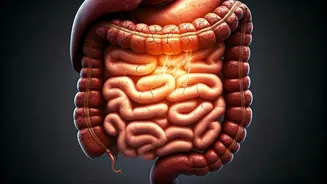
performance. His diet included elements like pizza and sugary drinks, common favorites but not the best for a professional athlete's needs. This dietary pattern, in conjunction with the demands of his playing schedule, contributed to a cycle of fatigue and hindered his overall physical conditioning. He had to drastically shift his diet to align with his fitness goals and the rigorous demands of professional football. The initial phase focused on identifying and removing unhealthy elements to create a cleaner foundation for improvement.
The Dietary Overhaul
Messi's transformation involved a significant overhaul of his eating habits, guided by a specialized approach. The focus shifted to foods rich in nutrients and those that support sustained energy levels, replacing items that caused inflammation or provided empty calories. This included a greater emphasis on fruits, vegetables, and lean proteins, crucial for muscle repair and optimal performance. Whole grains took the place of refined carbohydrates, and water became the primary source of hydration. Cutting out processed foods was another major step, ensuring his diet was as clean and supportive of his body as possible. This comprehensive approach was essential for achieving the physical condition needed to compete at the highest level.
Key Nutritional Strategies
Central to Messi's revised diet was the incorporation of key nutritional strategies, designed to maximize both performance and recovery. The focus was on balanced meals that provided essential macronutrients: proteins, carbohydrates, and fats. Adequate protein intake supported muscle repair and growth, carbohydrates delivered sustained energy for games, and healthy fats played an important role in overall health. He integrated specific superfoods like avocados, known for their health benefits, into his meals. Proper hydration through consistent water consumption was also emphasized, which is vital for physical performance. These strategies worked in conjunction to optimize his body's capacity to endure and thrive under strenuous conditions, setting a standard for sports nutrition.
The Role of a Specialist
The shift in Messi's eating habits was significantly influenced by a renowned sports nutritionist. This expert provided tailored guidance, ensuring that every dietary element contributed to his physical and performance goals. The nutritionist’s role encompassed far more than just recommending specific foods; they were crucial in crafting meal plans suited to Messi's intensive training schedule. Meal timing was meticulously planned to coincide with training sessions and match days, guaranteeing optimal nutrient intake at the necessary times. The nutritionist helped Messi understand the connection between food and athletic performance, supporting him in making informed decisions about his diet and assisting him in sticking to the new guidelines. This collaborative effort was instrumental in Messi's ability to maximize his physical capabilities.
Impact on Performance
The dietary changes had a substantial positive effect on Lionel Messi's performance, as he adjusted his lifestyle to align with his health objectives. His physical endurance and stamina on the field improved. The reduction in inflammation made him less susceptible to injuries and quickened his recovery time after games. He experienced greater energy levels, enabling him to consistently perform at an elite level throughout matches. These improvements directly enhanced his overall gameplay, contributing to his sustained dominance in professional football. The transformation highlighted the critical importance of nutrition in the careers of athletes, showcasing the direct impact of diet on peak athletic performance.
The Fitness Regimen
While diet played a pivotal role in Messi's transformation, it was coupled with a robust fitness regimen. The training incorporated specific exercises designed to improve his speed, agility, and overall strength. A variety of drills honed his skills, while others focused on injury prevention. Regular cardiovascular exercises and strength training sessions were integrated into his training schedule. He made sure to consistently perform these exercises, often with a team of coaches and trainers overseeing the process. The training structure supported his dietary changes, making sure that he was well-prepared for the physical demands of playing football. The alignment of his eating and exercise plans resulted in significant advancements in his ability to excel on the field.
Lifestyle Adaptations
Alongside changes in diet and exercise, Messi also embraced a lifestyle that maximized his health. Adequate sleep became a top priority, offering crucial time for physical recovery and overall well-being. He also minimized his intake of alcohol and restricted the use of other substances that could have had a negative impact on his performance. Managing stress was essential for his mental and physical health. These choices supported the other adaptations, ensuring that his body was always in a good state of repair and ready to perform. The adjustments showcase a holistic approach to fitness and the importance of aligning all elements of life to achieve optimum physical shape and competitive success.